

I am back home now doing the usual things: building fences, mowing the paddocks, riding my bike, and enjoying the peacefulness of this lovely country. I am so grateful to have done such a wonderful trip.
I had a lot of time to experience, think, reflect, and just be on this trip, which is exactly what I was hoping for. In 1981, I traveled around Asia, Australia, and New Zealand for a year with a backpack and it was a life-changing experience that has shaped me. This trip shaped me as well.
People always ask “what was your favorite part?” so let me get to that first:
- The two days of street photography in Hanoi were amazing
- The times we ate at the restaurants where the locals ate
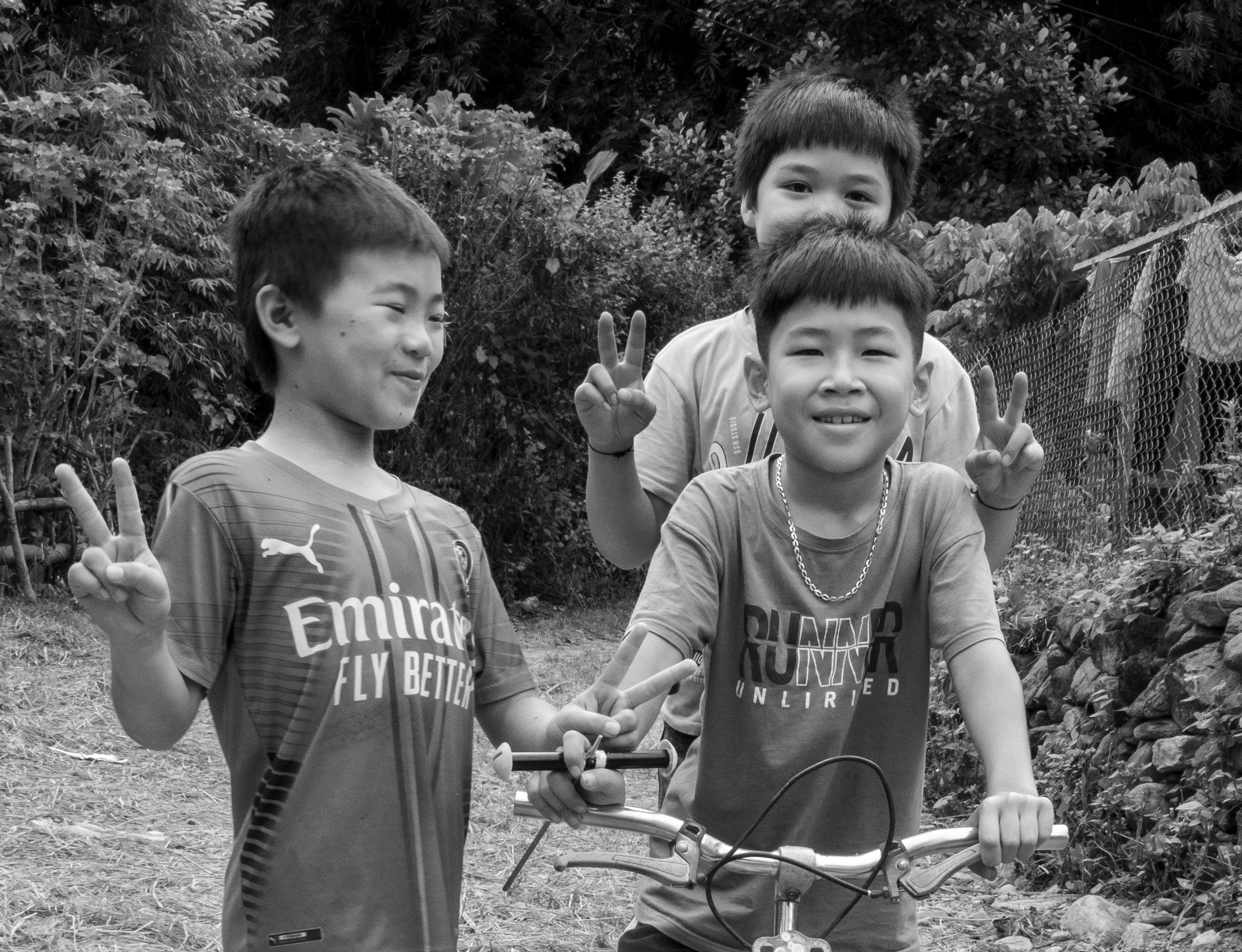
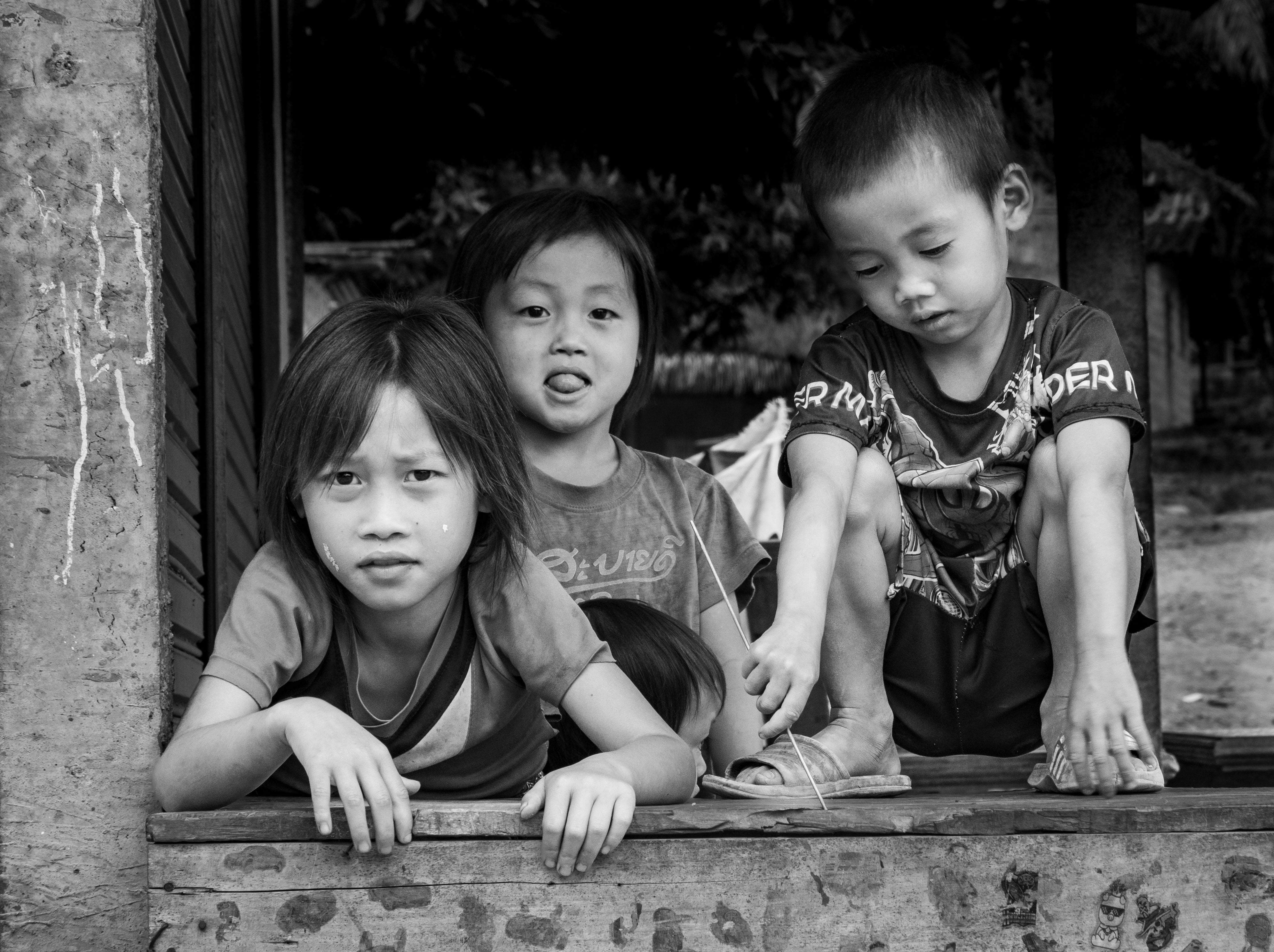
- Riding through the remote villages and having all the kids come running out yelling hello
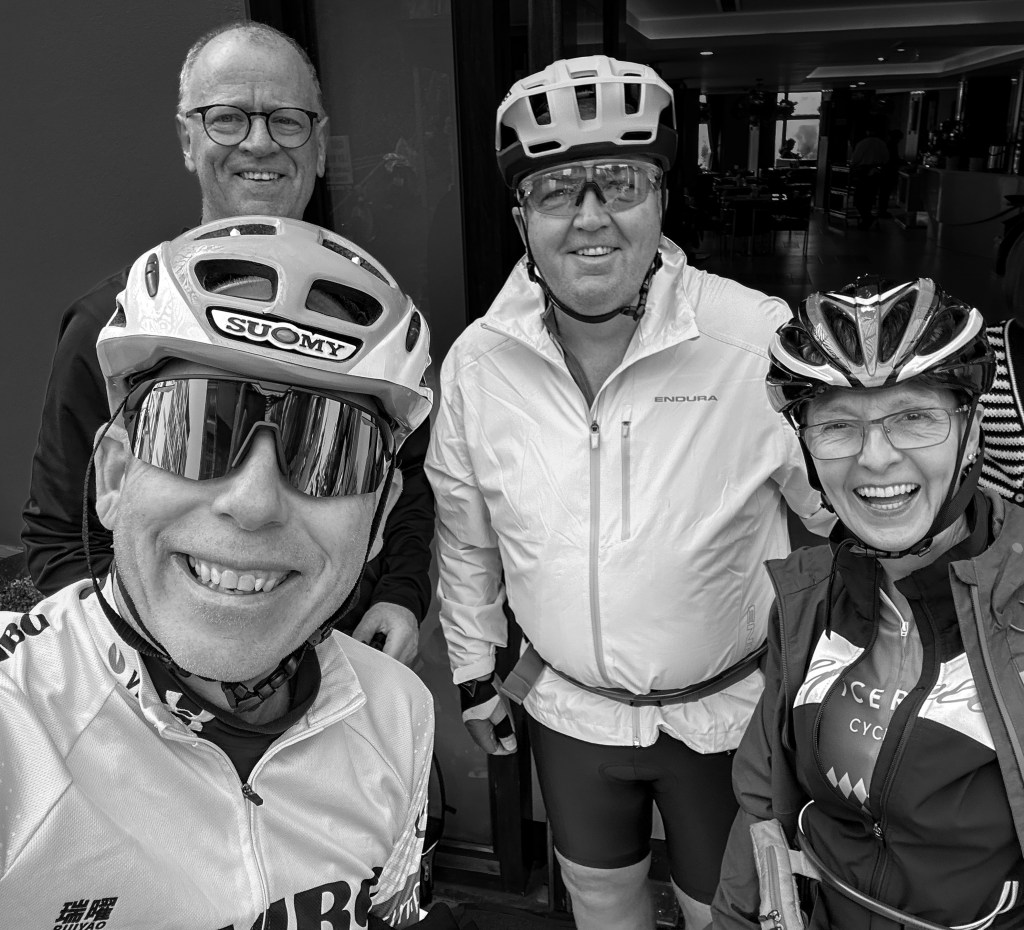
I did not know the group of people I went with before this trip, so one of the other great joys was making 3 new friends. They were wonderful to be with and hopefully I didn’t drive them crazy 😉
Ok, now for my reflections on the trip.
Travel Changes You:
There’s nothing earth-shattering about this, but it strikes me every time I get to travel to places that are unfamiliar. Traveling to different cultures changes you, especially if you make the effort to get off the beaten path and interact with the local culture and see what day-to-day life is like. Not knowing the language is deeply uncomfortable and humbling, but you learn that some hand gestures, a lot of patience, and a big smile are universal signs of friendship and humanity.
There is a broad spectrum in the type of travel that you can do, from travel adventure to all-inclusive holiday. The more you move toward the travel adventure side of the scale, the more immersed you can become in the culture. You also start to take on a lot of discomfort and at times, risks in the form of health and safety. For sure, if you embed yourself in a Maasai village for 2 years, you will get a deep understanding of their culture, but that is not easy and probably not comfortable. You can go to an all-inclusive resort in Jamaica, get picked up by a driver, never leave the resort bubble, and have minimal cultural interaction. Nothing wrong with this, it will just be a more scripted view of Jamaica.
I like being on the travel adventure side of things, although as I have gotten older, my willingness to withstand discomfort has decreased. This trip was way more comfortable than my year-long backpacking trip I did when I was nineteen, or all the field work I did in Malaysia, Borneo, and the Philippines. On this trip, we stayed in pretty nice places and had our logistics handled, but we did get out to some pretty remote places. I appreciated the visits to the small villages and homes of the local people; that felt pretty authentic.
“Travel isn’t always pretty. It isn’t always comfortable. Sometimes it hurts, it even breaks your heart. But that’s okay. The journey changes you; it should change you. It leaves marks on your memory, on your consciousness, on your heart, and on your body. You take something with you. Hopefully, you leave something good behind.”
Anthony Bourdain
There are ways you can get a feel for a culture without having to embed yourself in remote village on a hillside. Eating the local cuisine will give you so much more insight into a culture and how the people live. I loved watching Anthony Bourdain shows. He totally changed the way people thought about experiencing culture through the vehicle of food, mainly street food.
One of the greatest joys on this trip was eating in truly local cafes and getting to eat authentic Vietnamese and Laotian food. One of the biggest disappointments was eating in the westernized restaurants that served versions that catered to tourists palates. I was disappointed every time. The food wasn’t bad, but it didn’t satisfy my travel curiosity or expand my horizons on food. My absolute favorite was the fresh water crab Pho in Quang Phu Cau village where we ate with the local bamboo workers. That changed me.
The paradox of tourism:
I loved getting out into some of the more remote parts of Vietnam and Laos. It gives you a glimpse into the lives of the people that have lived in these mountains for centuries. We also stayed in towns that have become quite popular with tourists. There is no doubt that these areas have benefited hugely from the influx of tourists. There are vibrant hotels, restaurants, tour guide businesses, and busy merchants. But it has changed them. Very quickly, what was the original attraction of a place is lost to the overwhelming pressure of the tourism. I really tasted this in the food in Sapa; it had been changed to fit the western palate. That is the paradox of tourism.
As much as I love going to the more remote places to see and experience their culture, I know that my simple presence has an impact on them. It changes them.
Put yourself out there:
My photography has always, to be honest, been really cautious. I have shied away from really diving in to a photographic story and tended to be the “unseen observer” on the outside. This works well in landscape and wildlife photography, but when the work involves people, it fails miserably.
I think the absolute highlight of the trip for me was the 2 days I spent with Son photographing in Hanoi. I learned a lot about photography, but probably the most important thing was that I learned how to have confidence in the process. Son said to me:
“You have a right to take photos; don’t shy away from it. Be polite, be respectful, engage when you can, but don’t cede that right just because you are uncomfortable.”
Wowzaa. That was an eye-opener for me. It changed me.
We all want to be relevant:
Often we say to people “can I take your picture?” I think this fails to recognize the basic universal truth that we all want to feel relevant. If we view the photographic process as someone gifting us an image, it completely changes the relationship you have with the subject of your image.
I think I have grown a lot in the last 10 years. Prior to that I was busy trying to make a career, dealing with aging parents, and generally being self-absorbed with all of the things that tend to absorb us when we are career-focused. I have always been a big-picture guy and spent a lot of time in my own head. This has served me well but also created blind spots. I have failed to take the time to see the people around me as much as I should have.
I have grown to really appreciate and cherish my brother-in-law, Peter. He is a unique individual with a wide breadth of knowledge and deep curiosity for the people around him. His ability to befriend people that are passersby in his life is amazing. He knows a lot about the lady at the post office, the check-out clerk, the gardener, the waiter. At first glance you might think his interest was not sincere, but over the years I have come to see that he has a gift. He makes people feel relevant and this opens a human connection to them. I really try to do this in my photography.
Son gave me a level of confidence that helped me start to view the people I wanted to photograph in a different way. I learned to approach them with a level of humility and gratitude; the difference in both their reaction and mine was astounding. So many just opened right up. I was running into other people’s weddings and becoming their photographer.
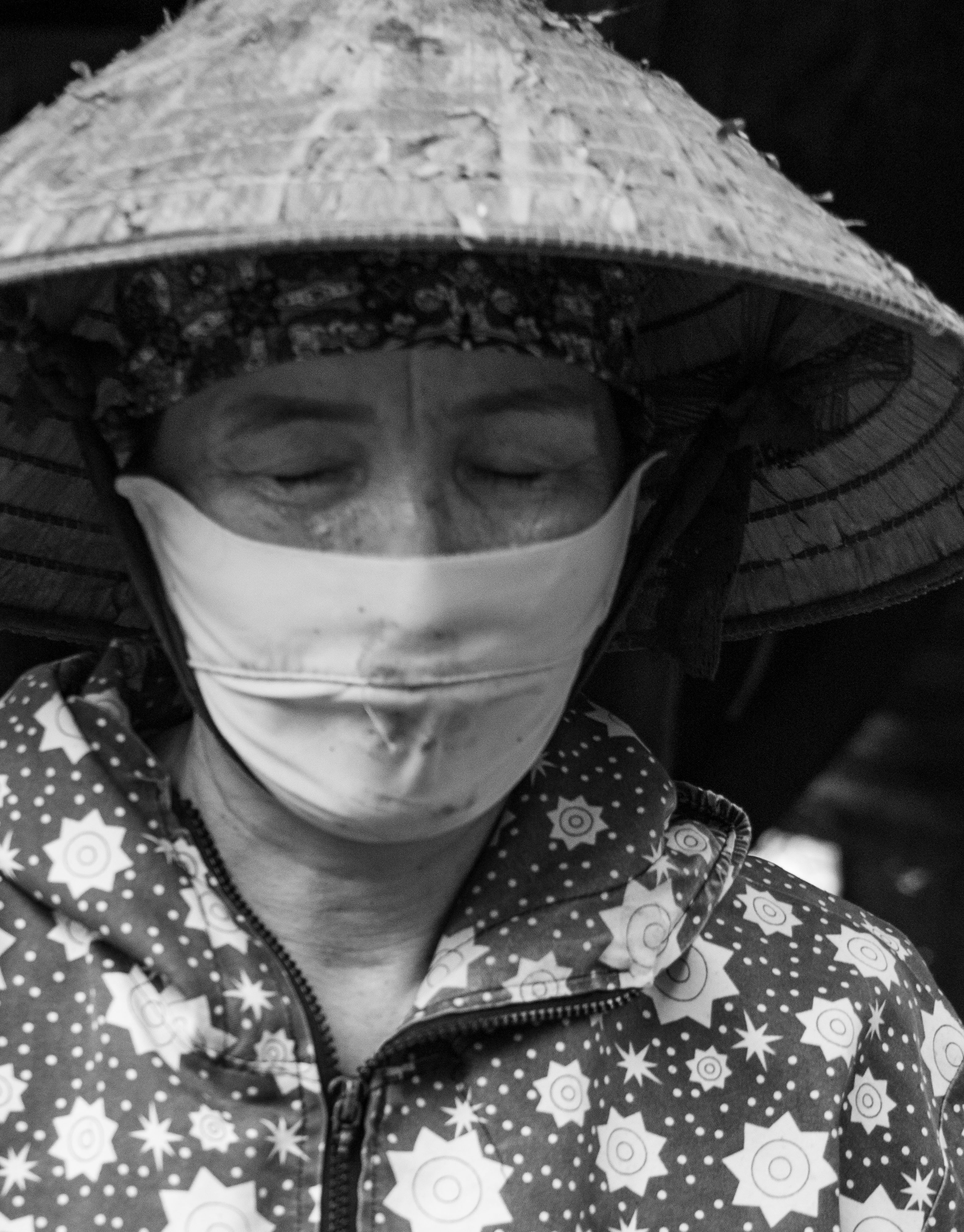
I still have a lot to learn as I did make some mistakes that still make me uncomfortable. When I photographed the old lady on the side of the road who turned out to be blind, it was a mistake. I caused her to get agitated because I didn’t understand. I was just thinking about getting her picture. When I look at this photo, it still makes me uncomfortable.
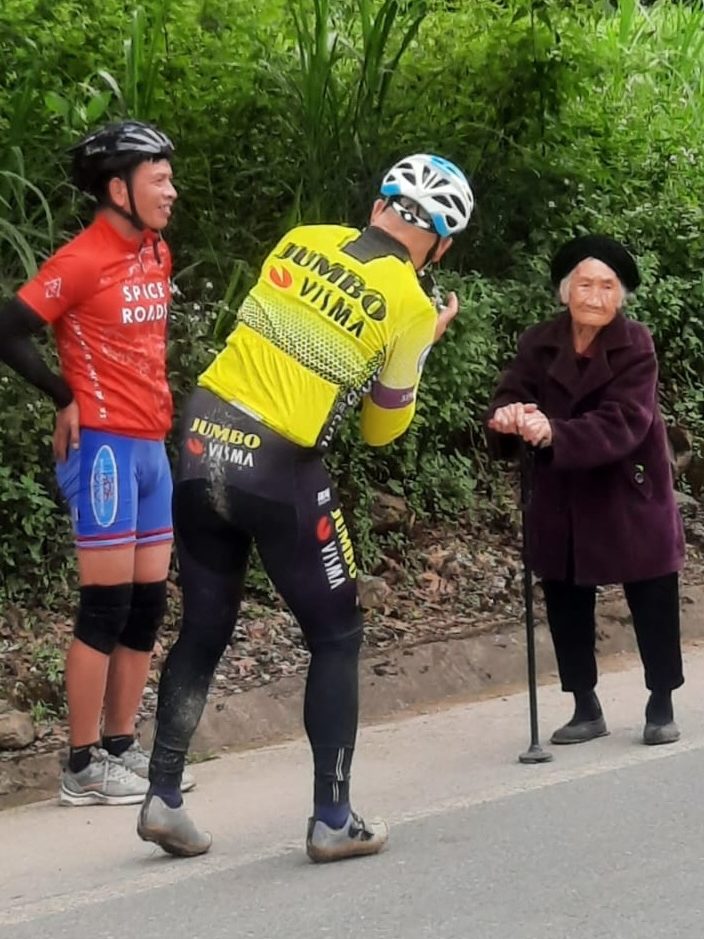
It is so out of whack and it is clear I am not really engaging with the woman. I know I have a lot to learn, but the whole concept of thinking about people’s relevance has changed me.
People are People:
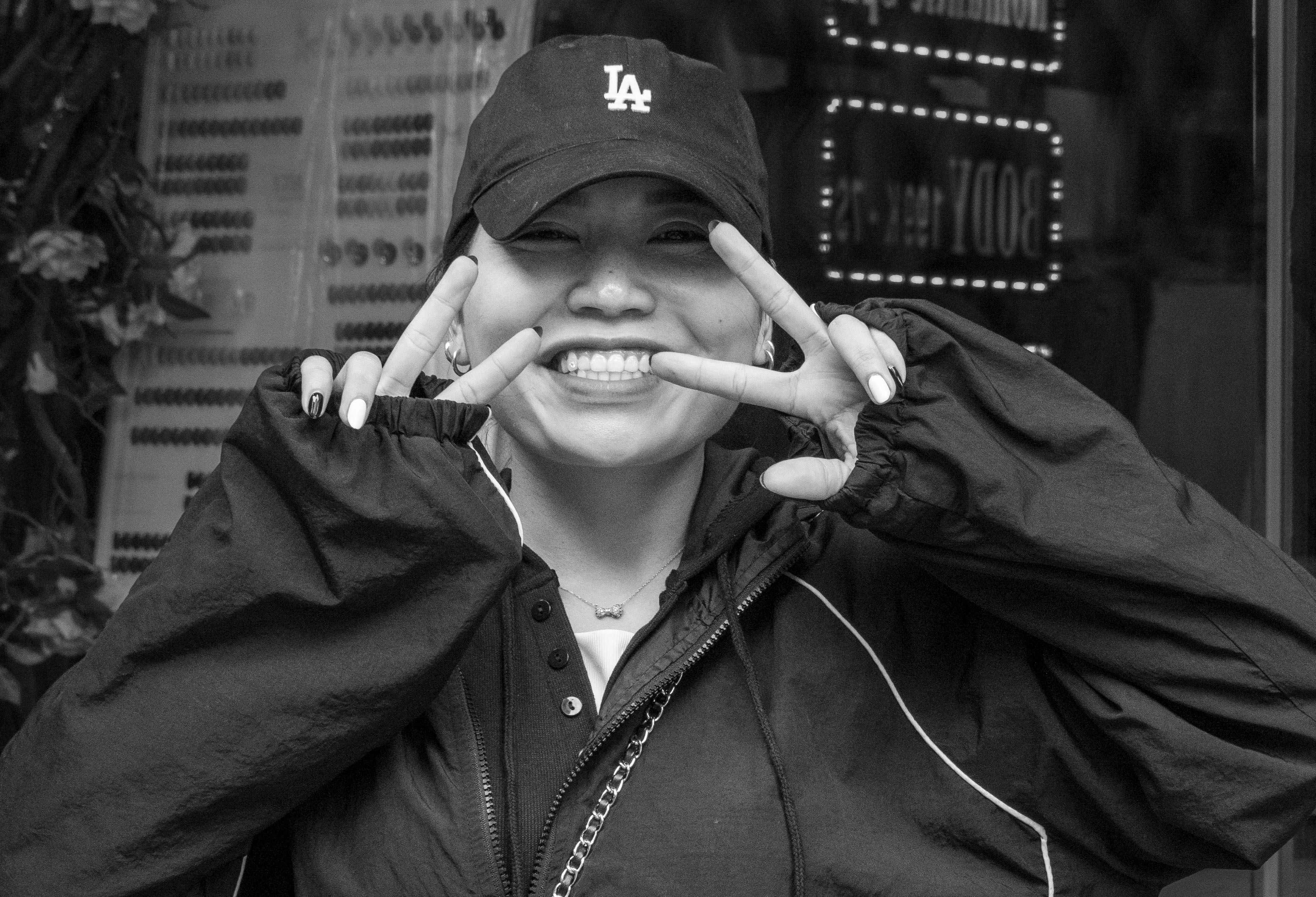
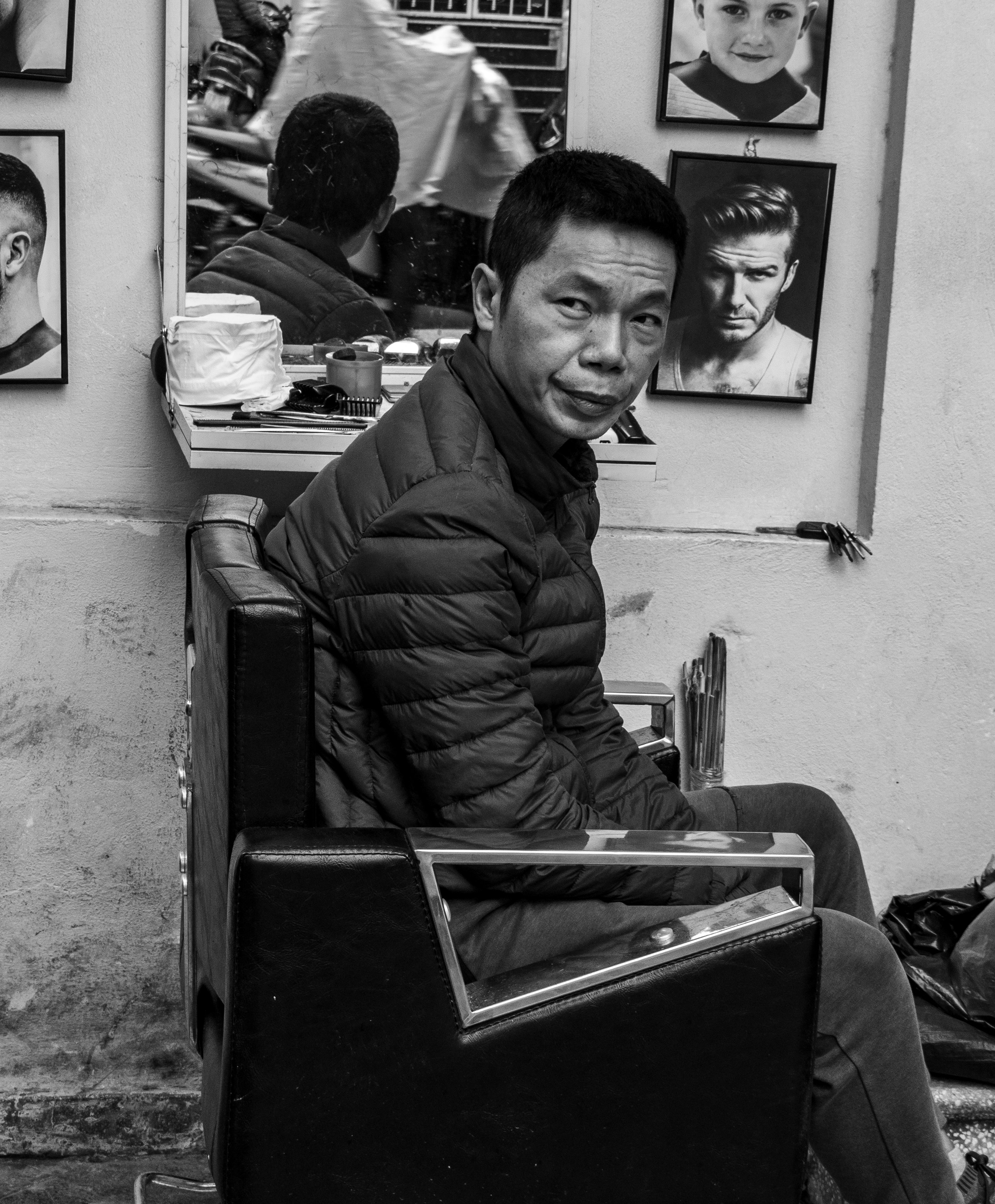
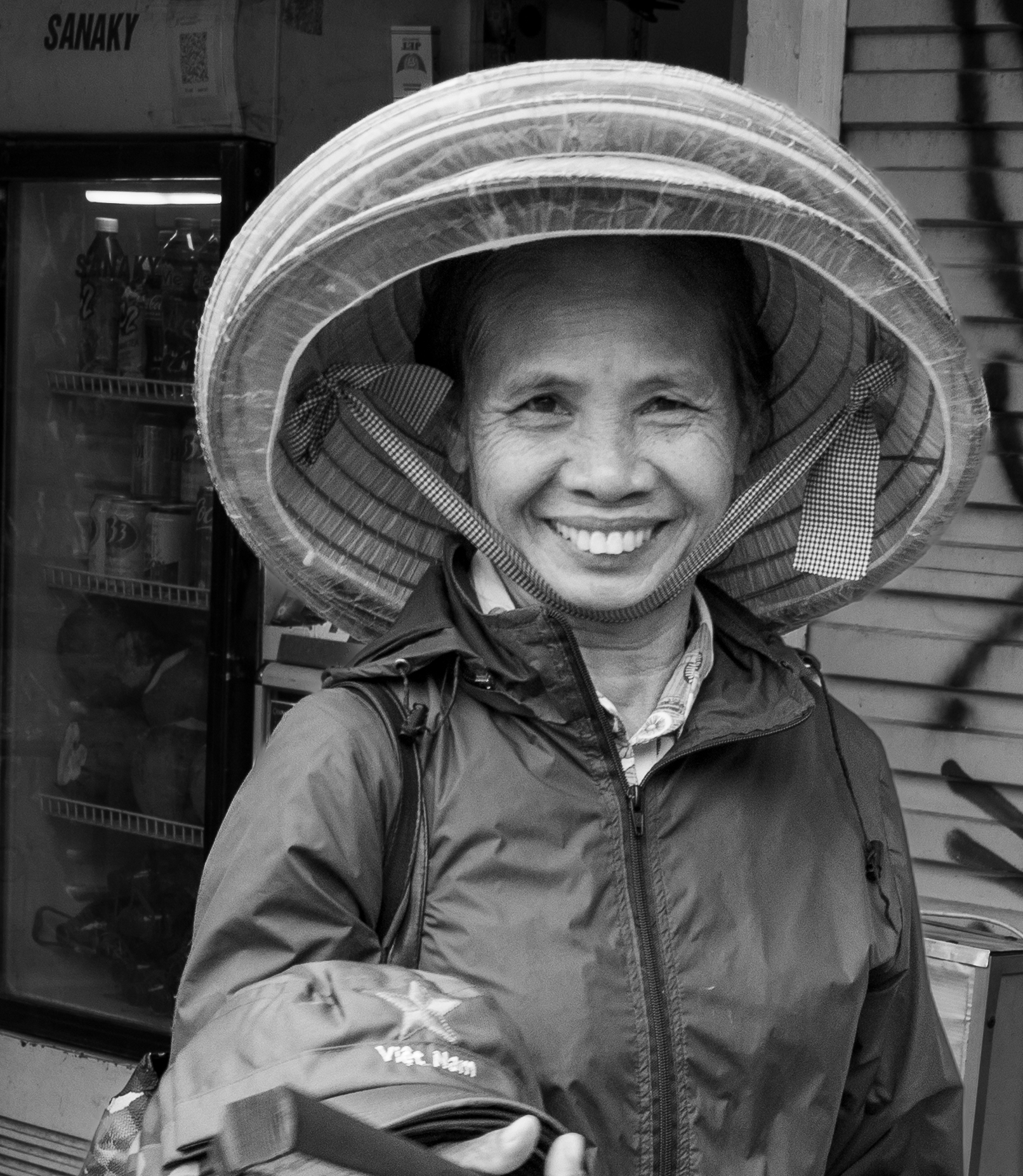
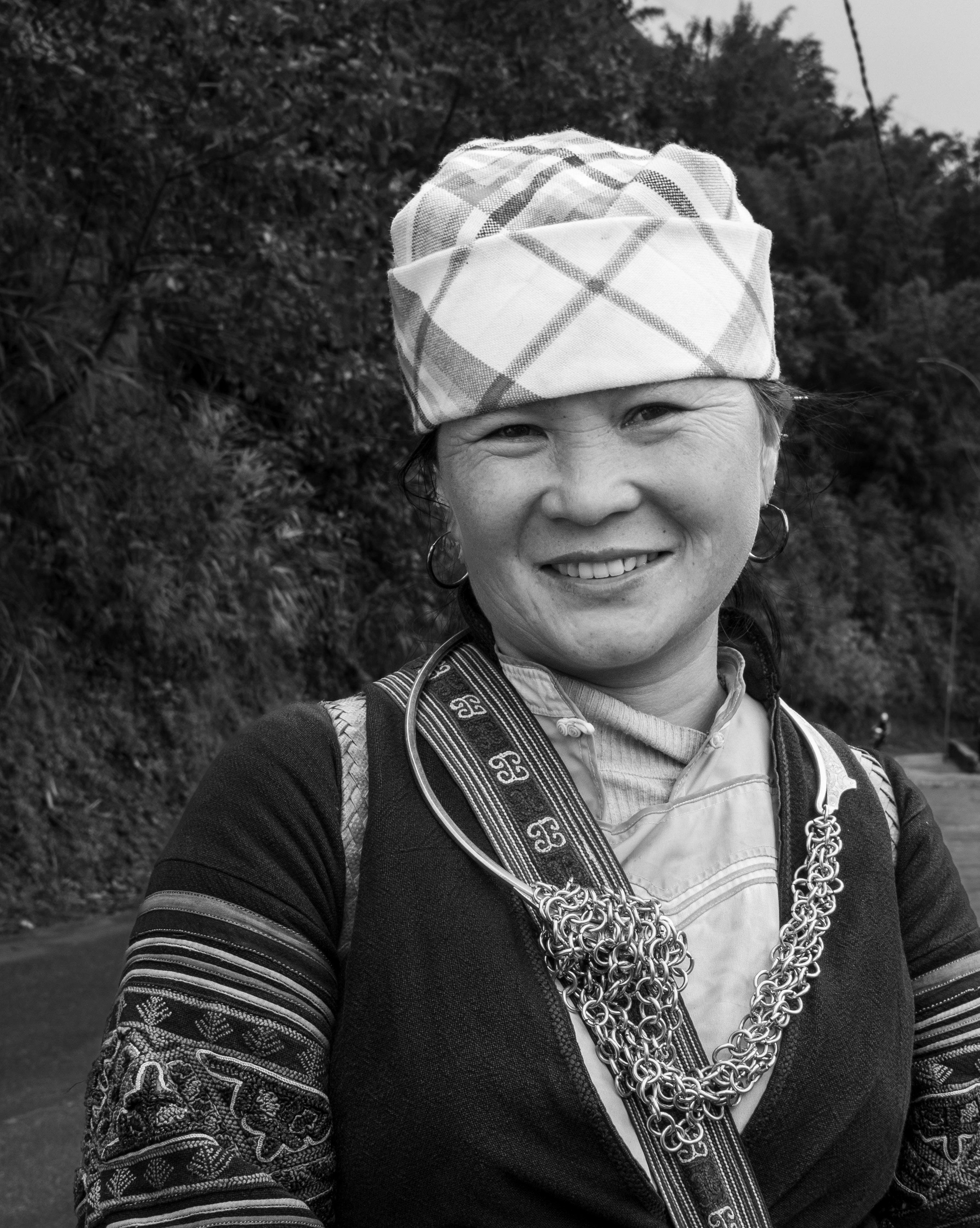
It doesn’t matter where you go in the world, people are people. We have far more in common than we do differences. It is easy to get down on the world and get caught up in the craziness of politics, globalization, wars, famine, and all of the many negative things that make up our world. An antidote to all of this is the practice of interacting with people at a real level. We all are just trying to find some peace and happiness in our existence. There is nothing like a big smile on someone’s face that will bridge the gap of culture, language, and age. The people of Vietnam and Laos were incredible. Despite not speaking the language they made me smile; they made me feel welcome, and they seemed interested in me. They gave me many moments of joy. They changed me.
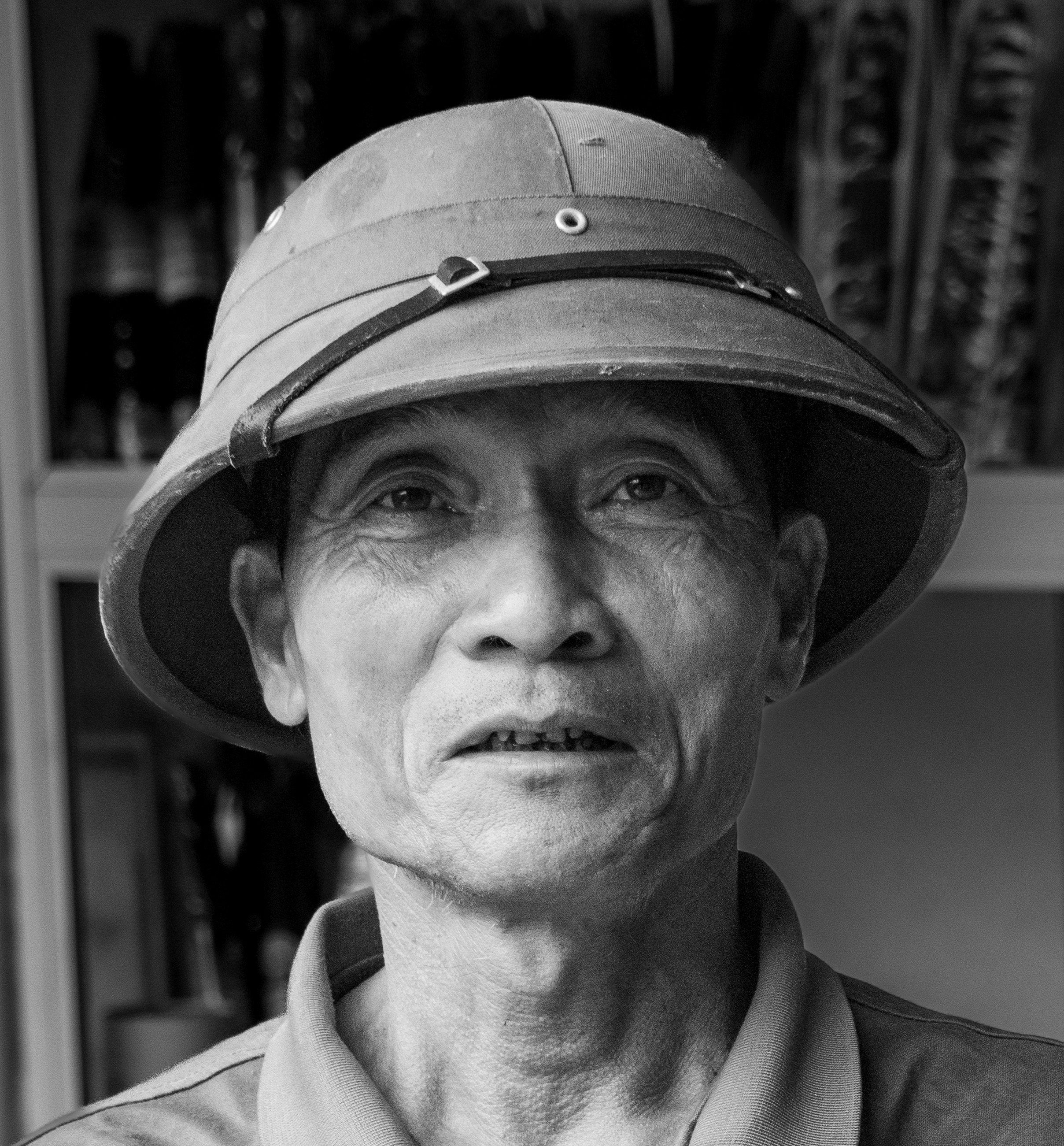
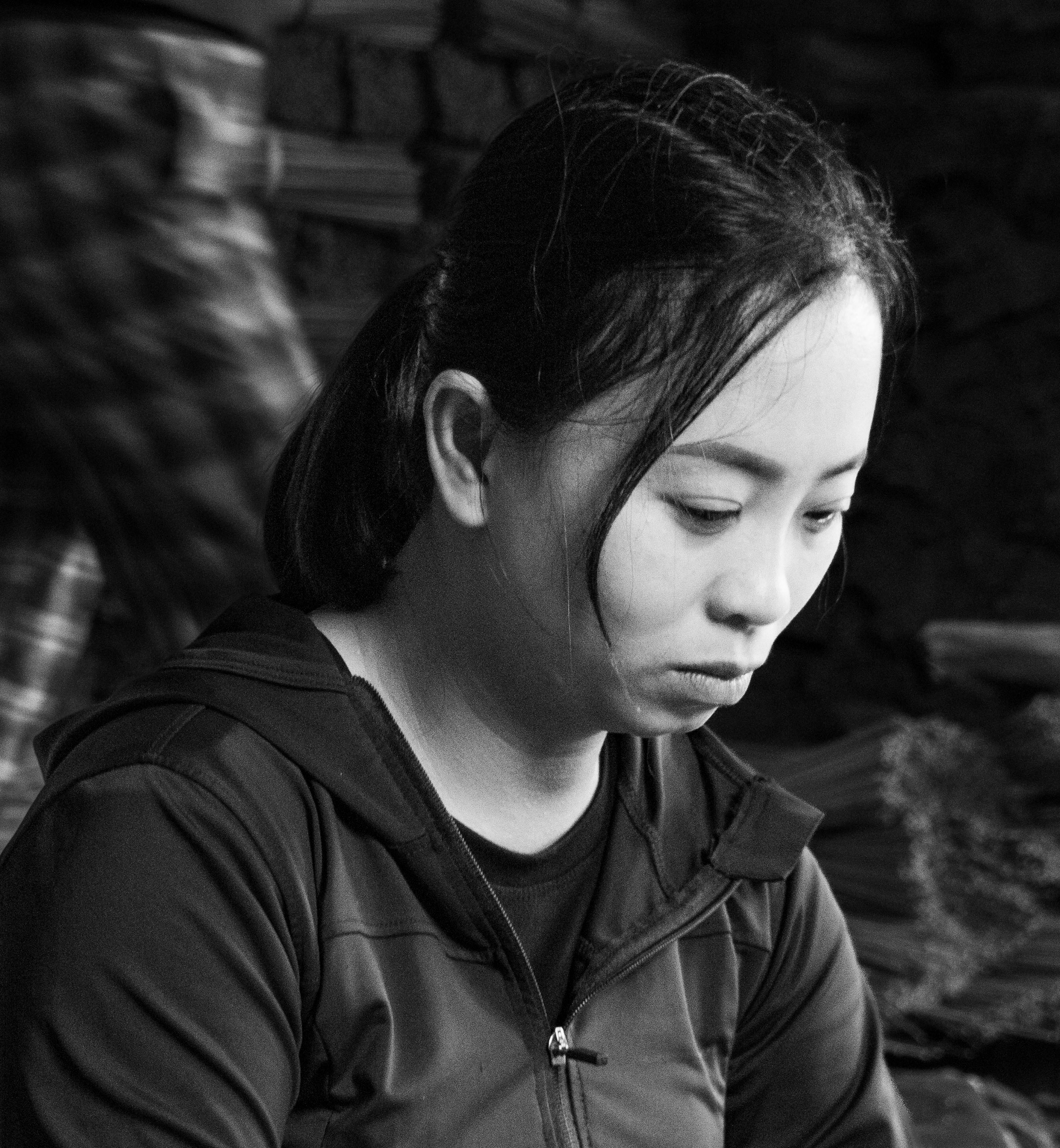
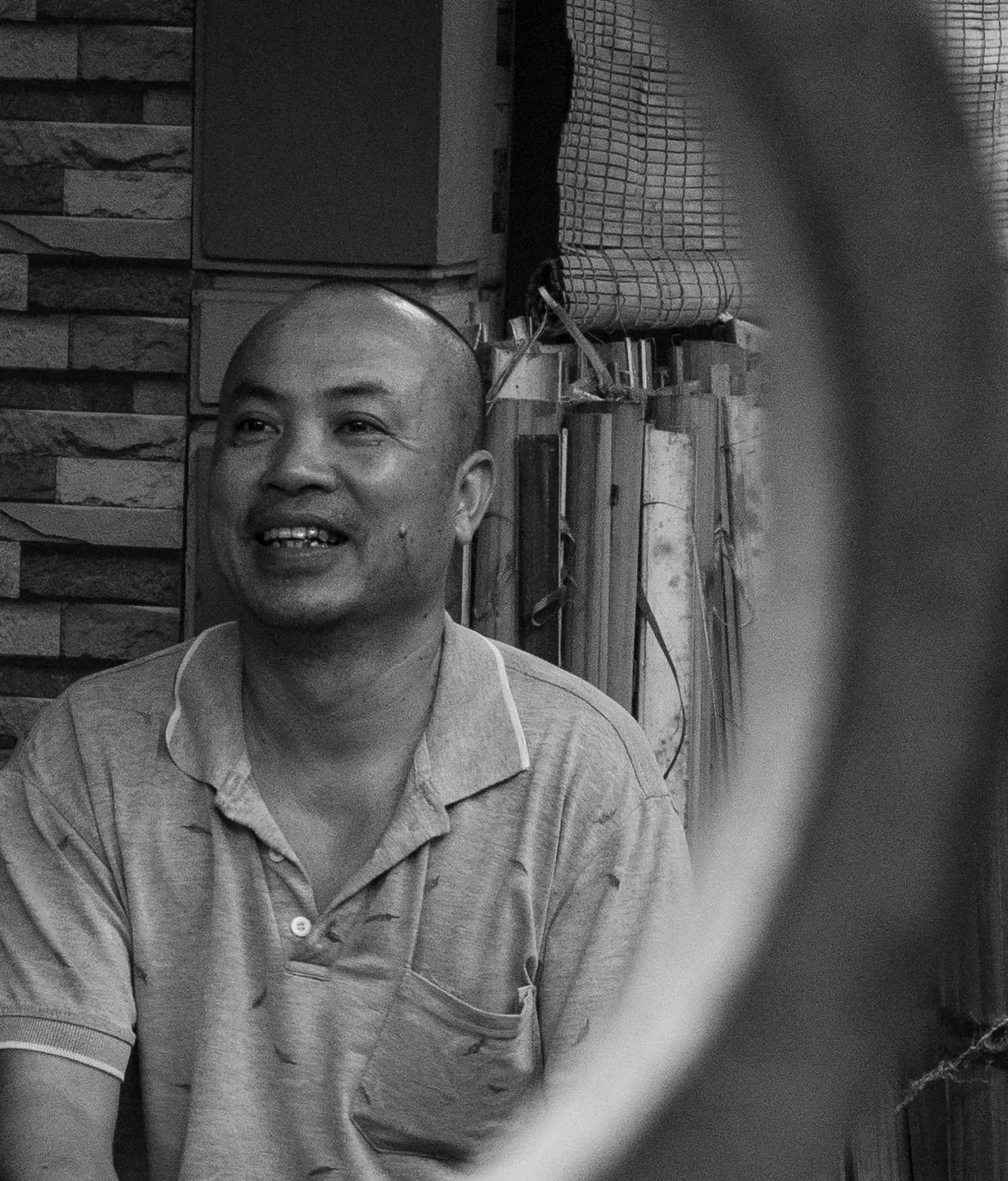
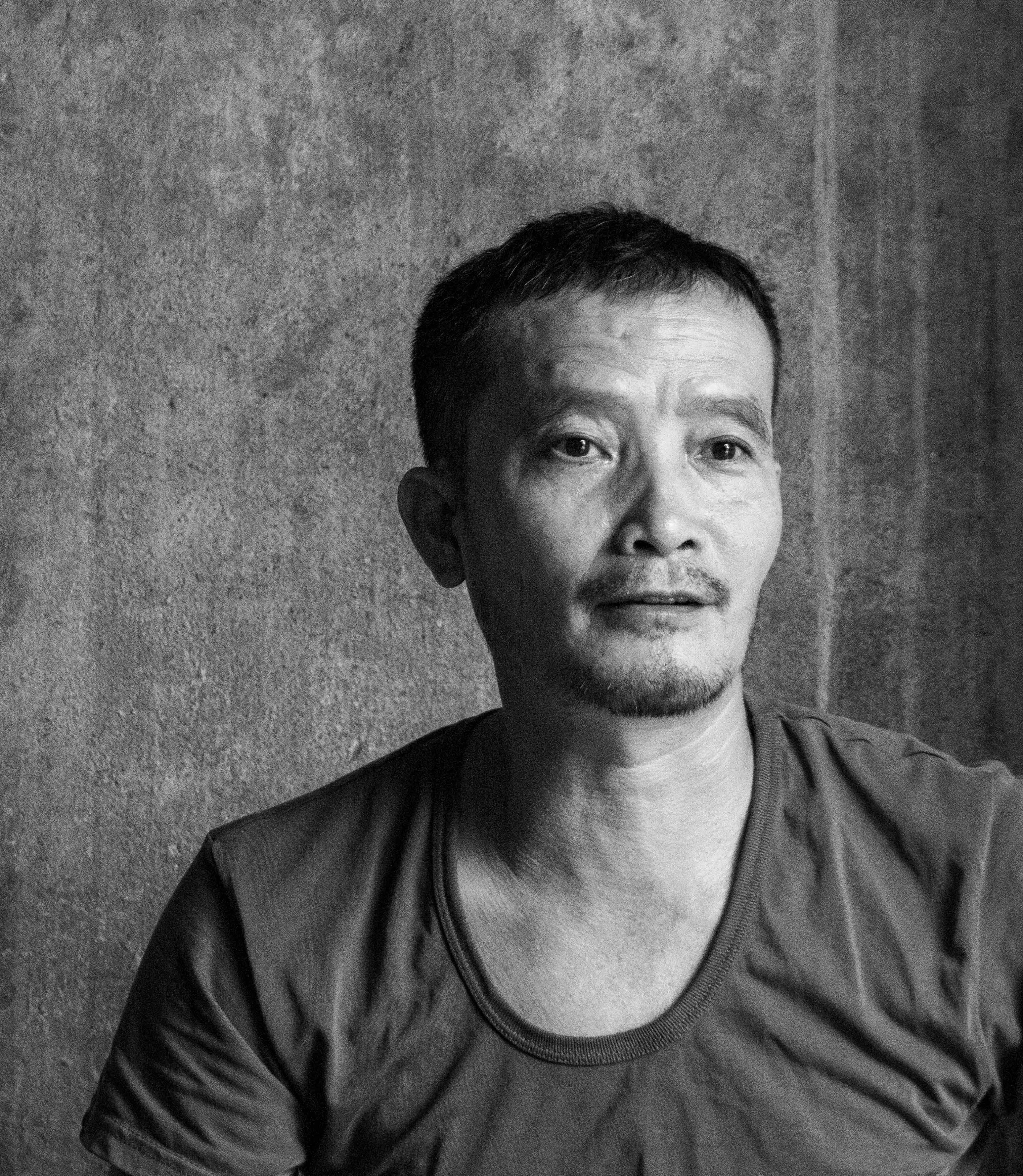
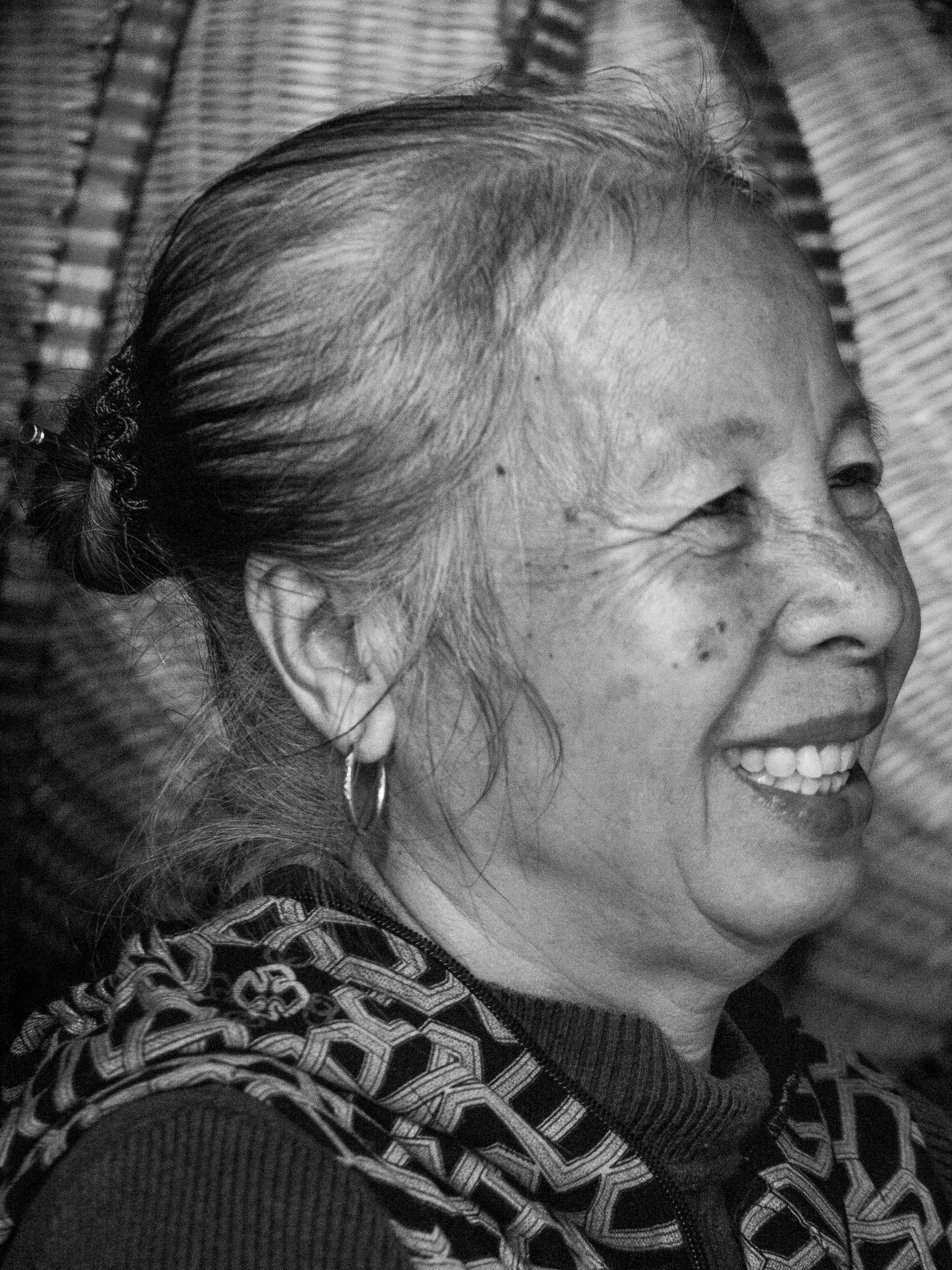
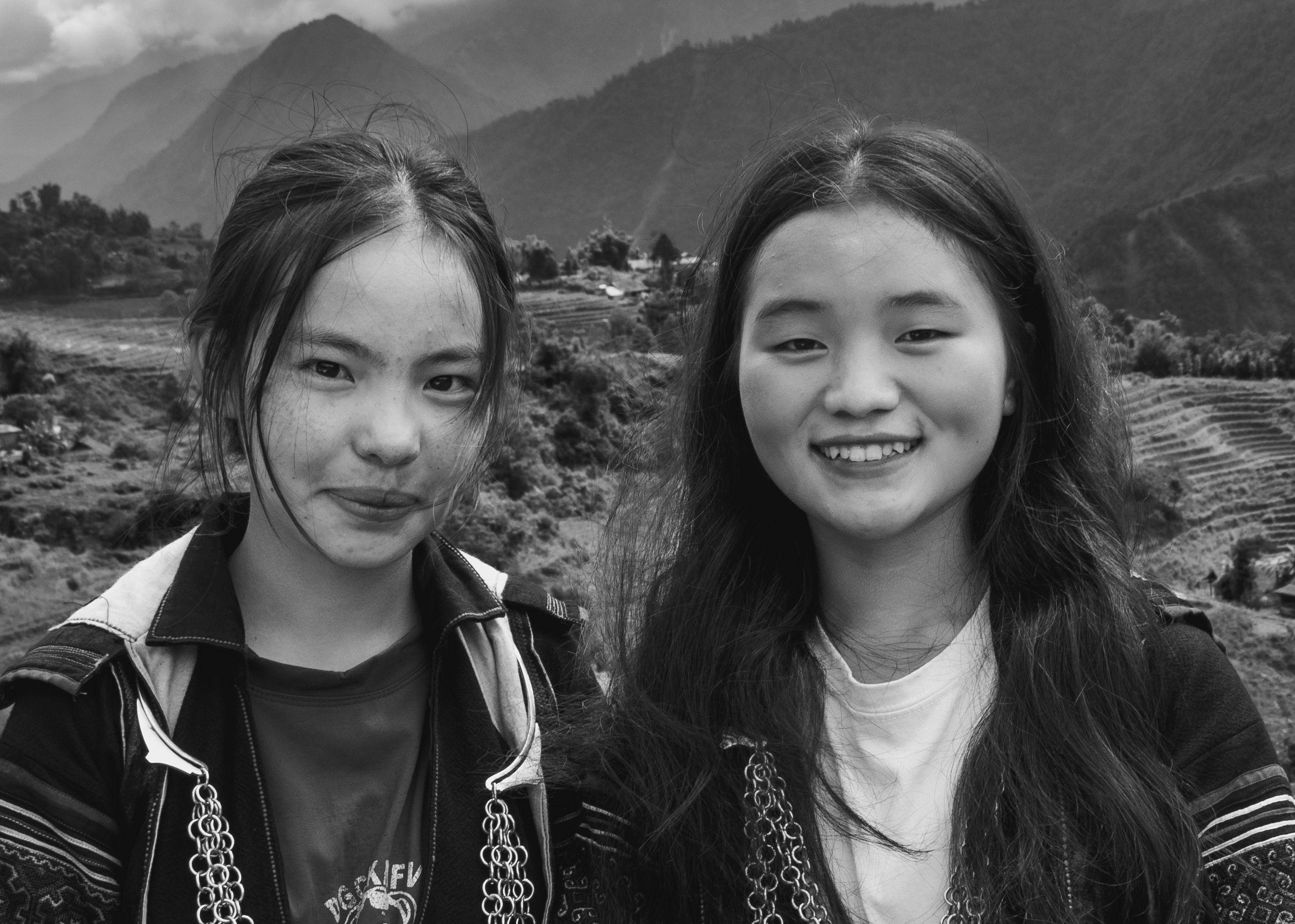
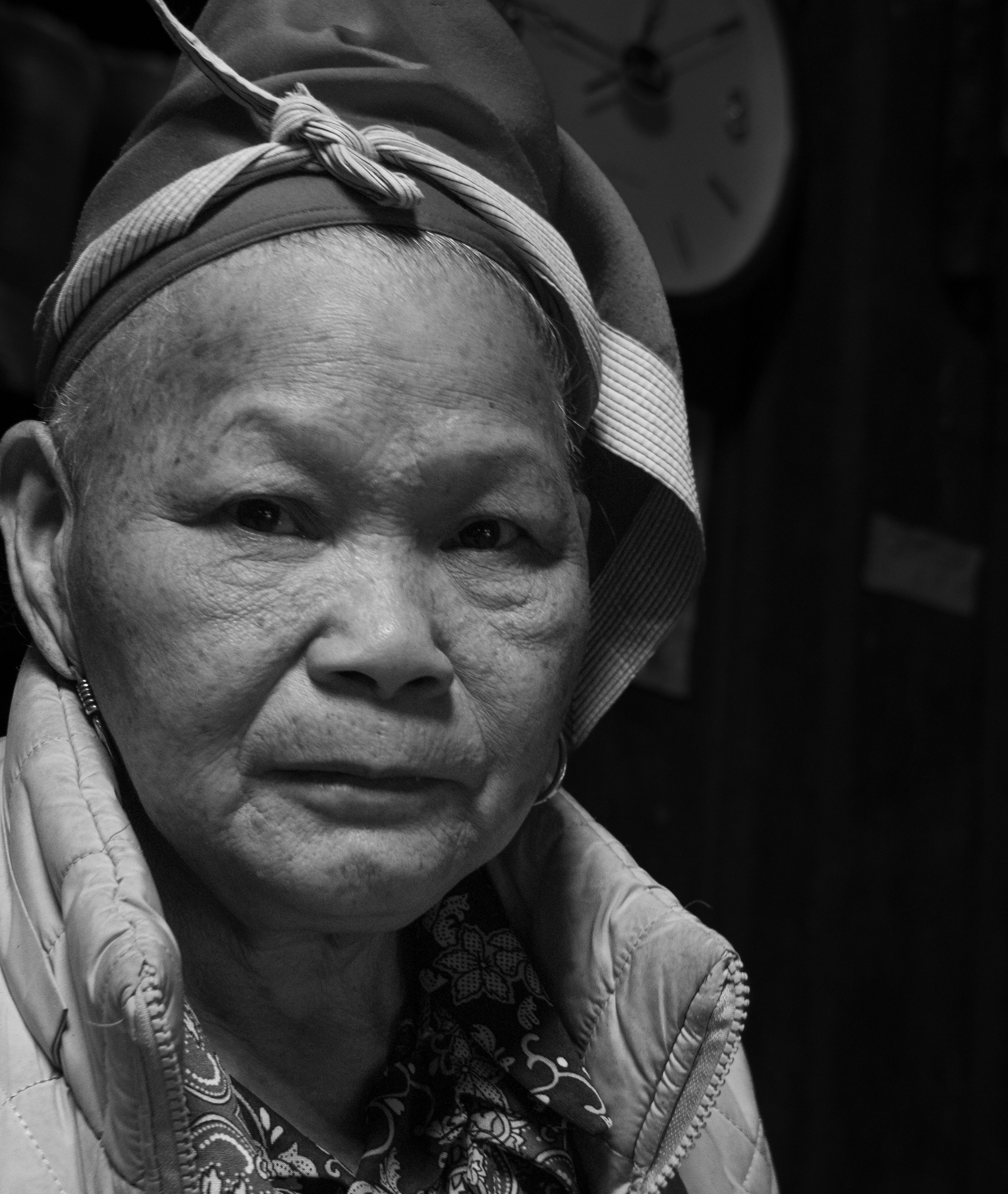
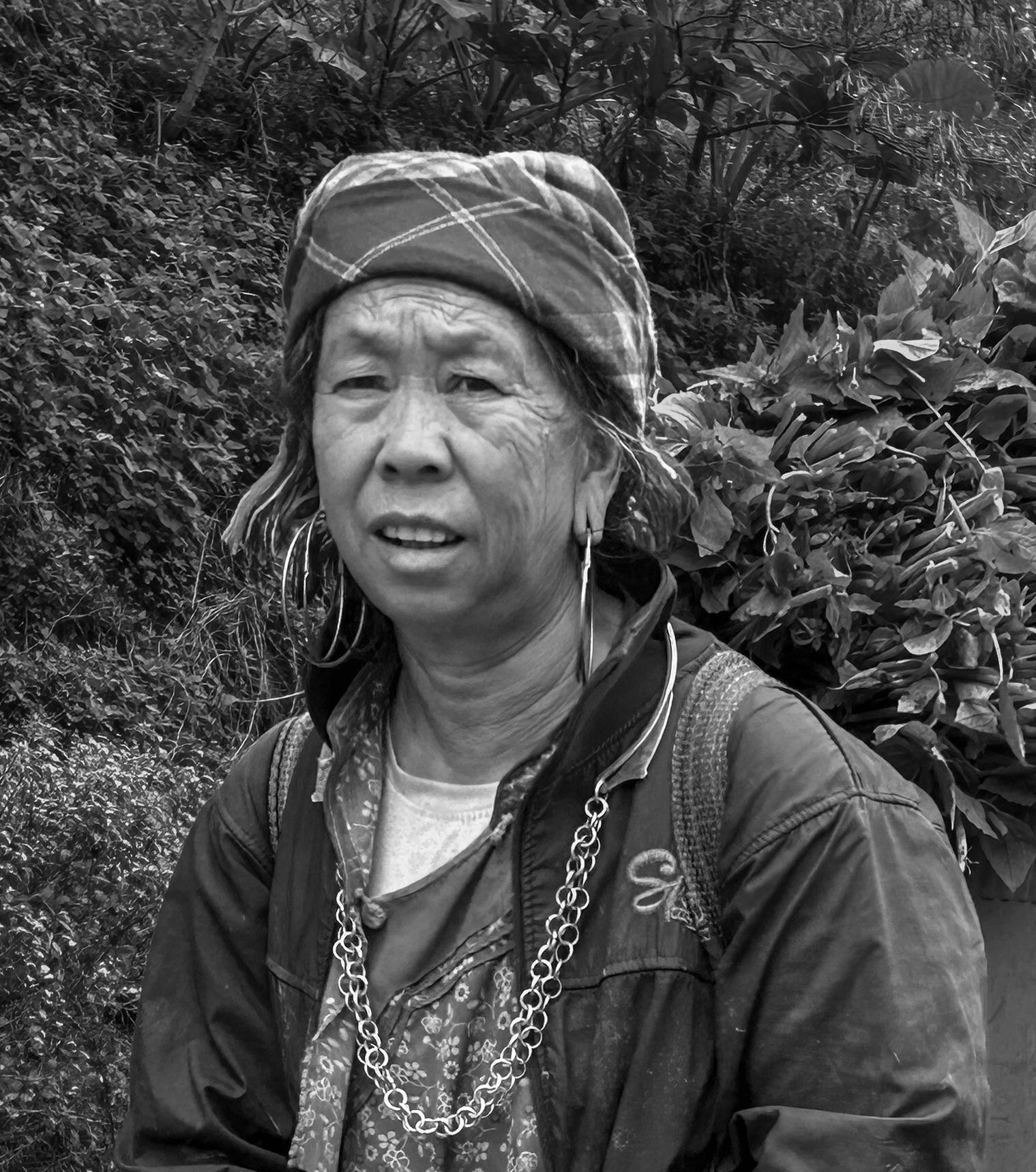
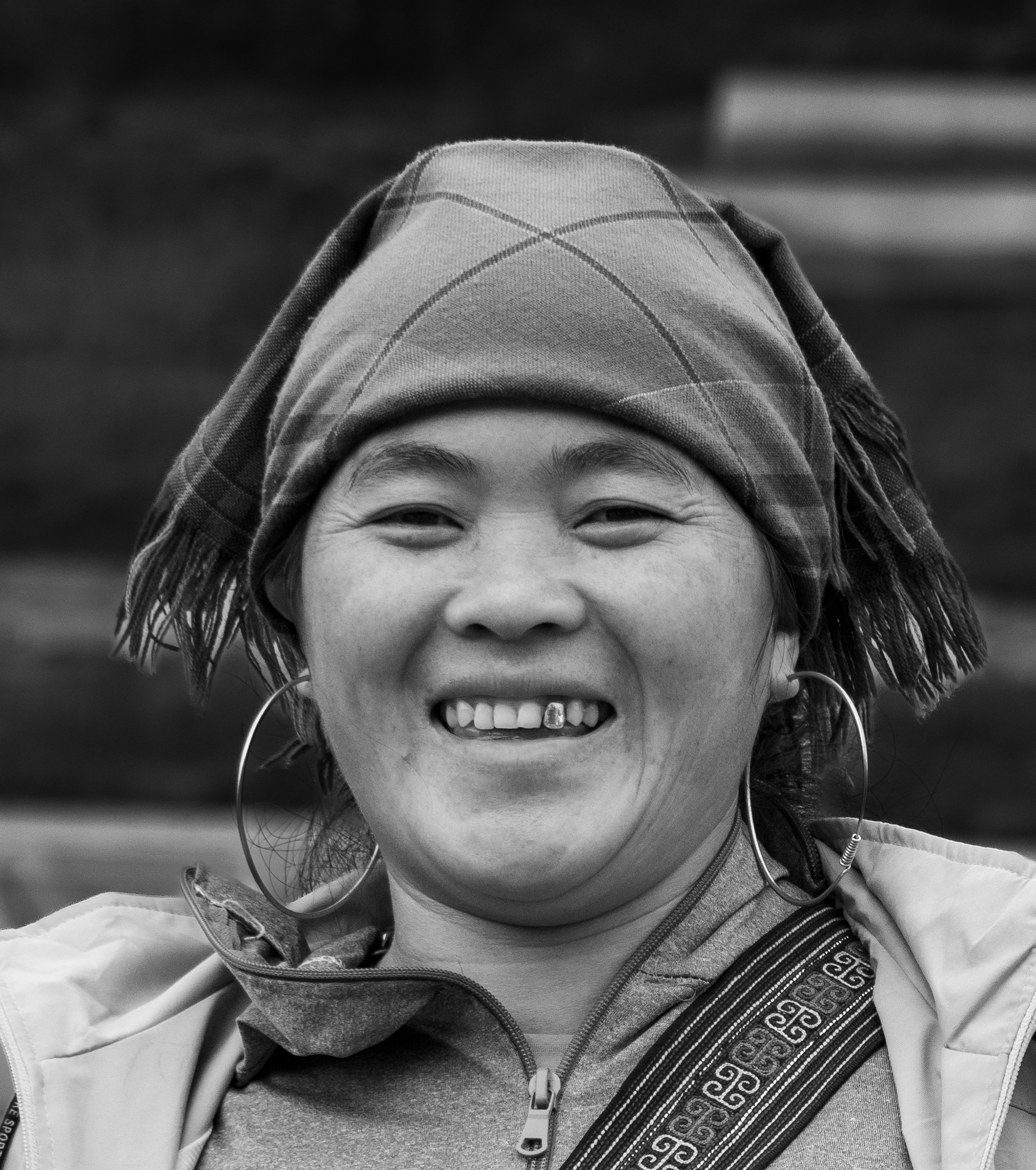
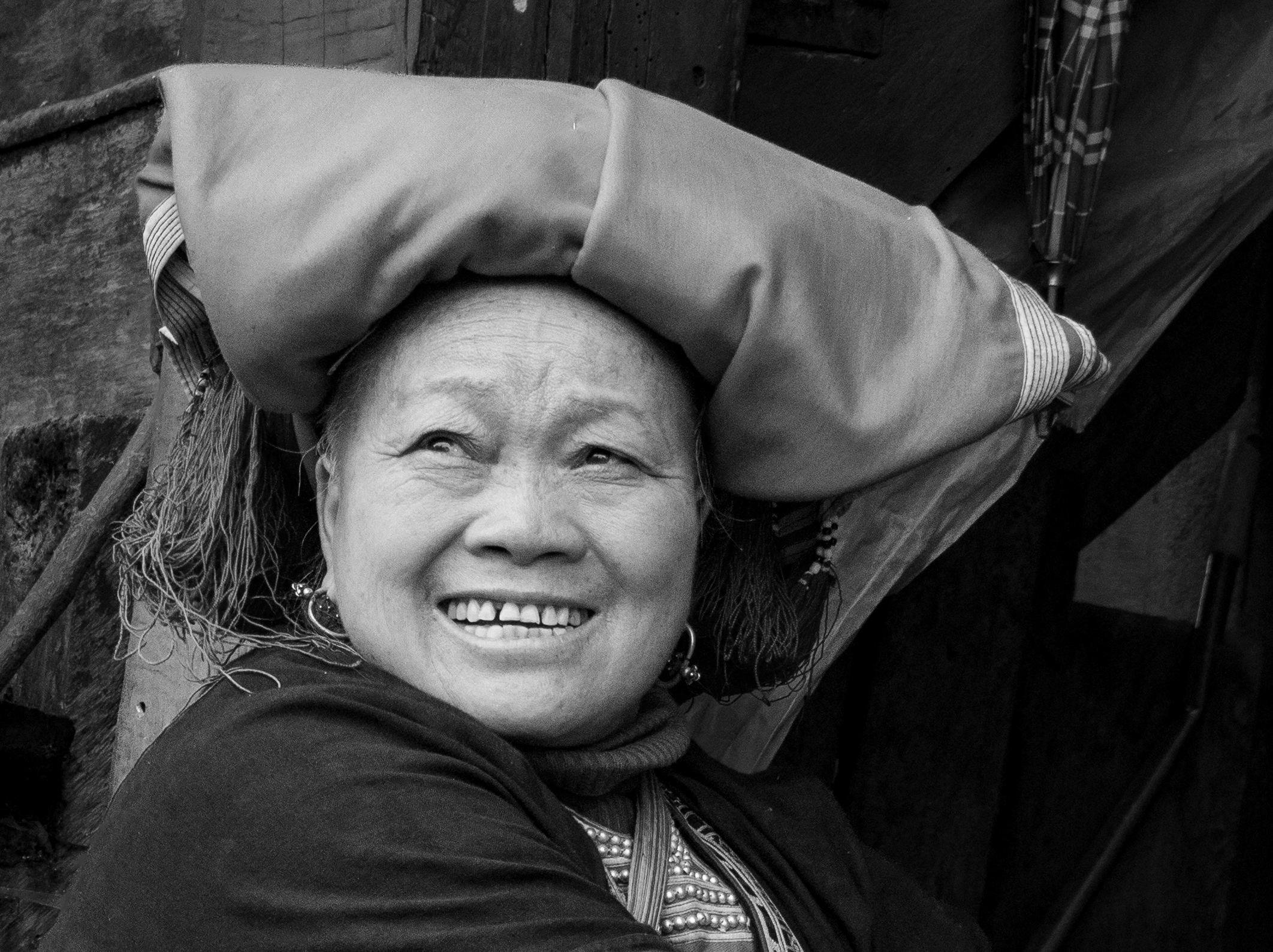
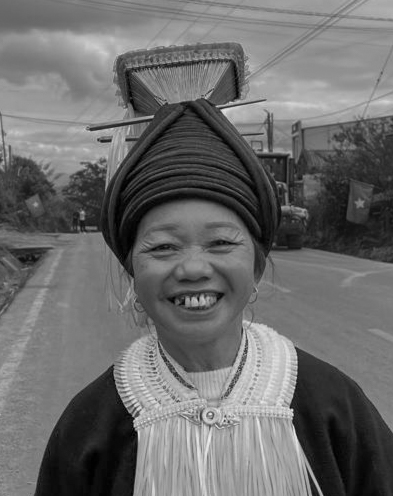
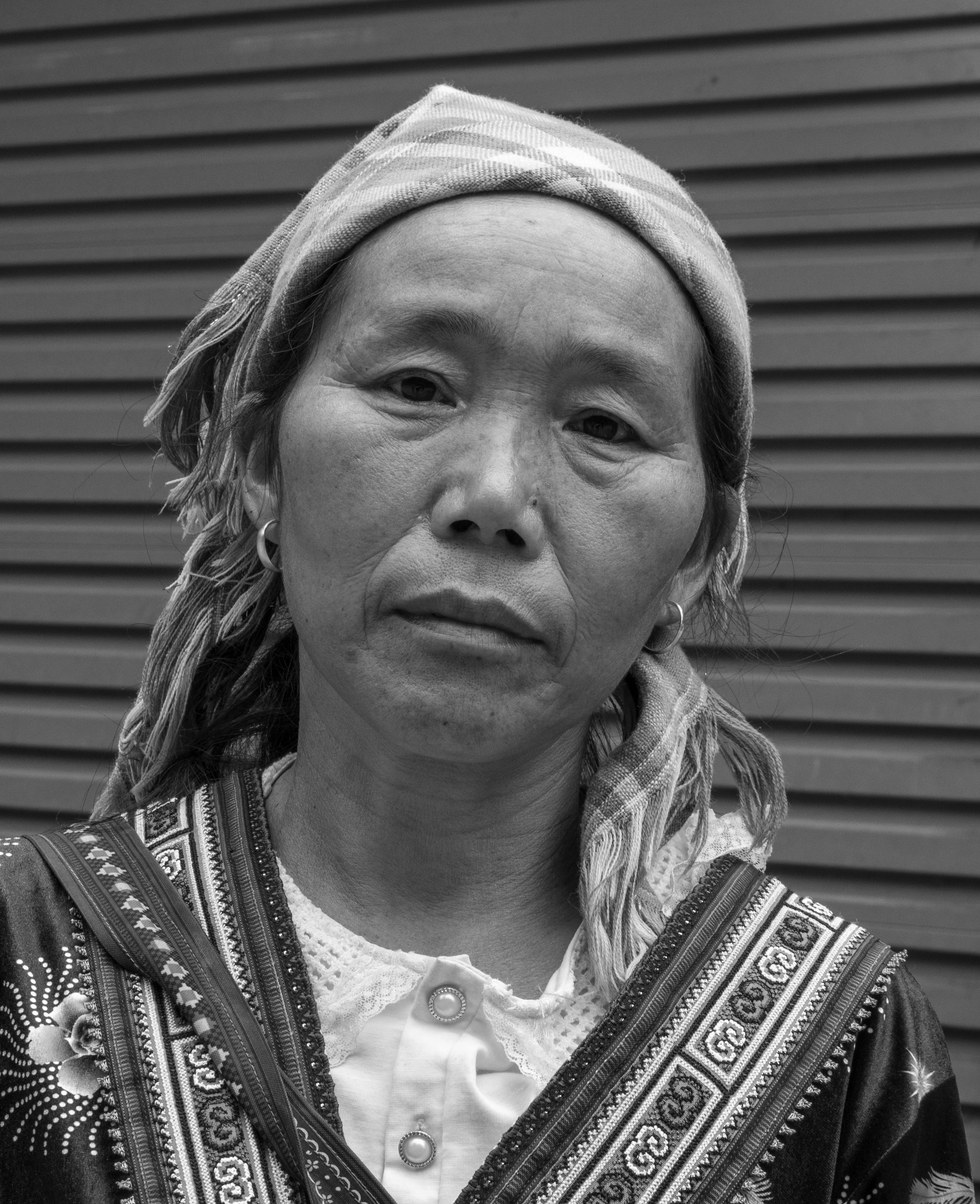
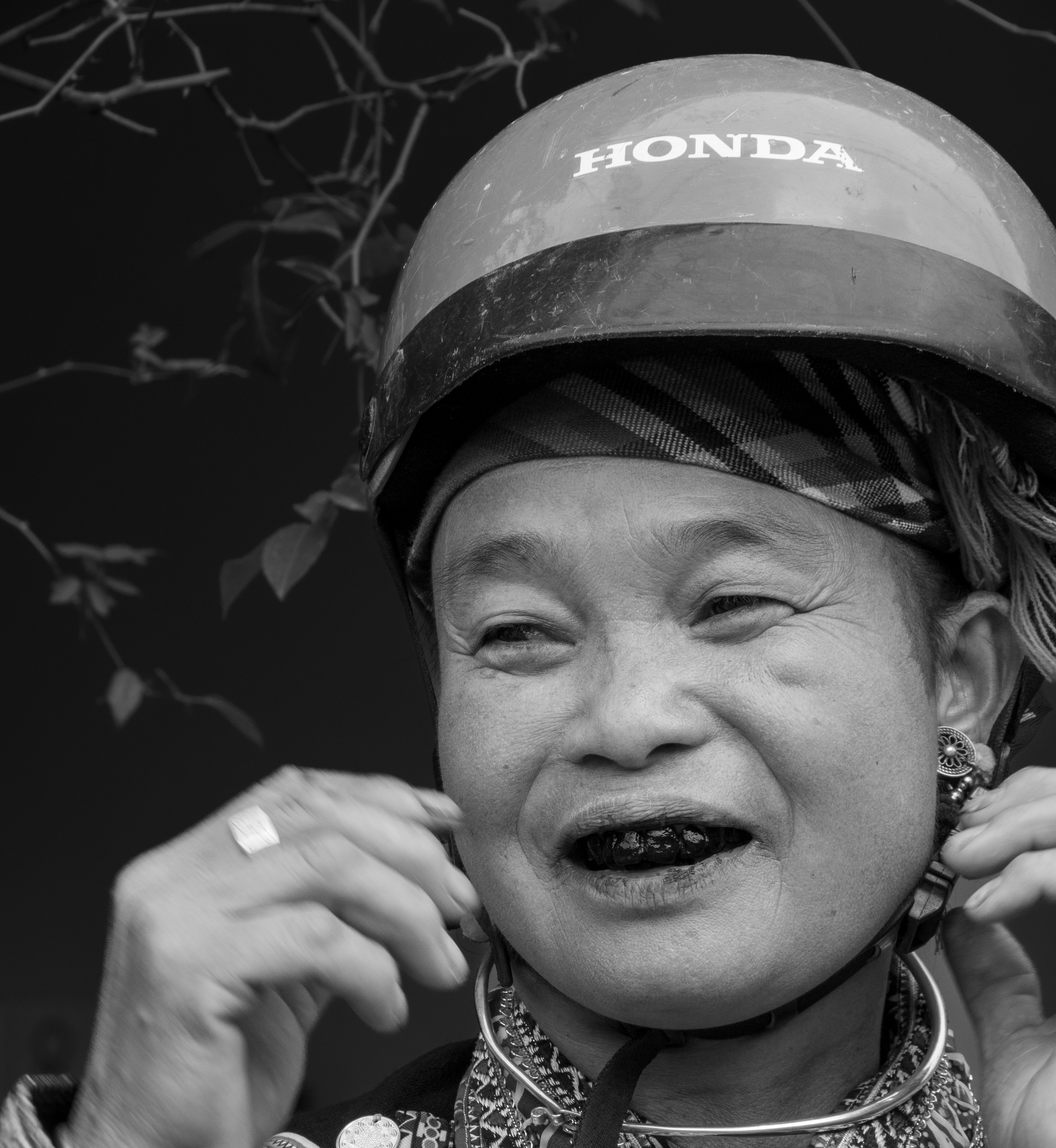
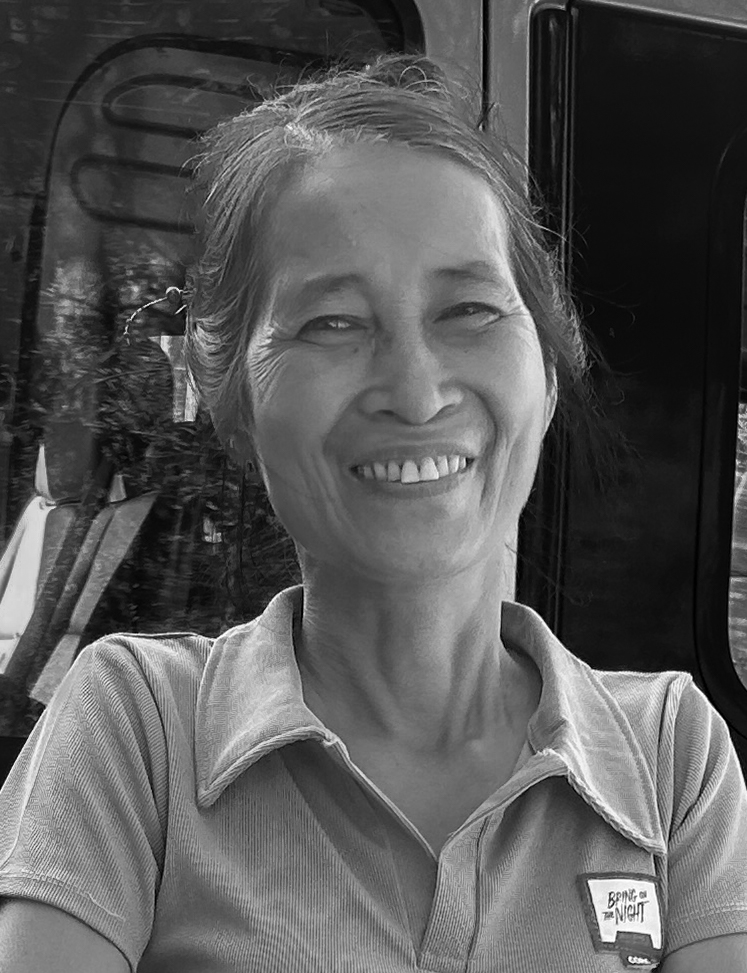
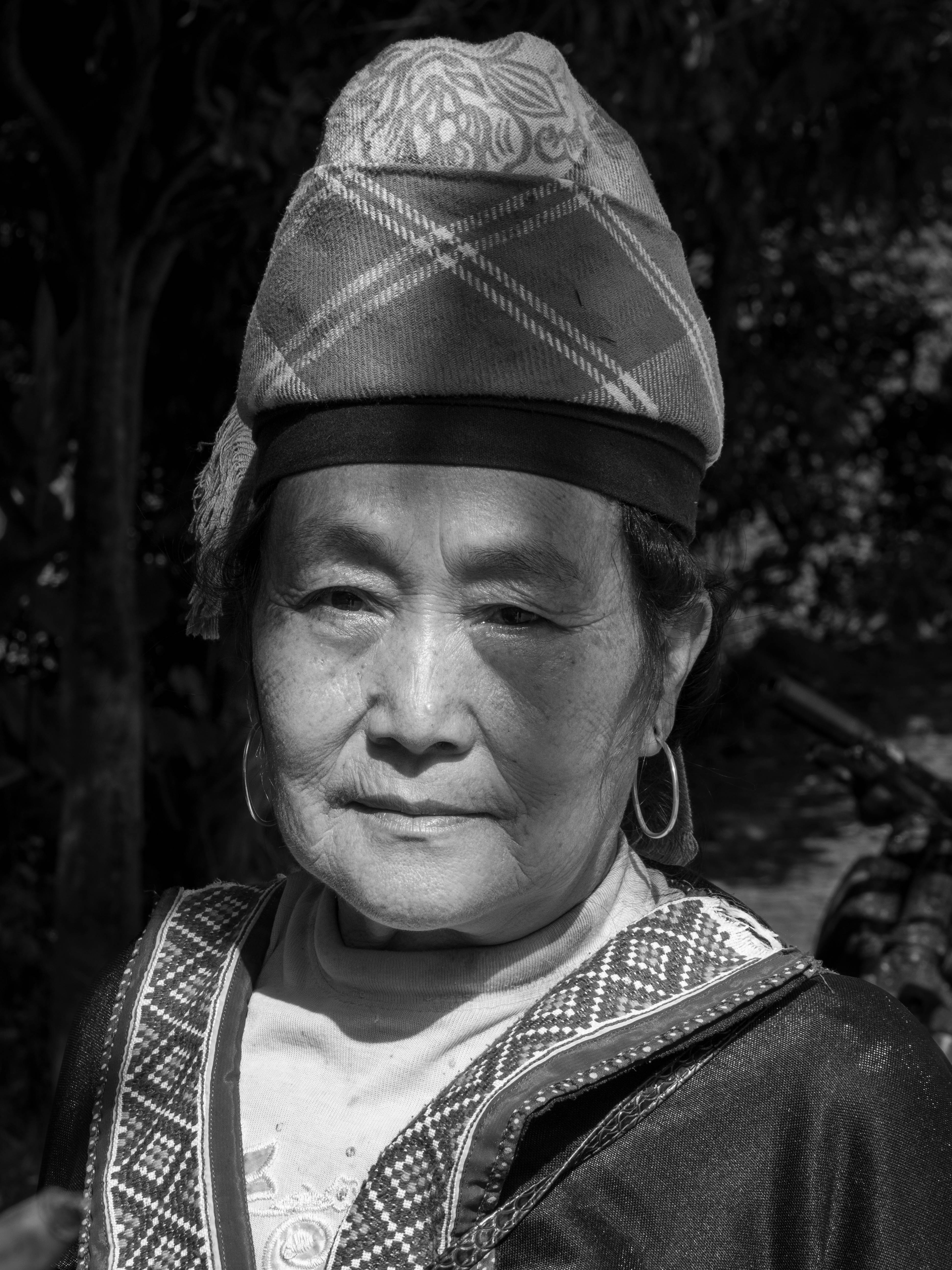
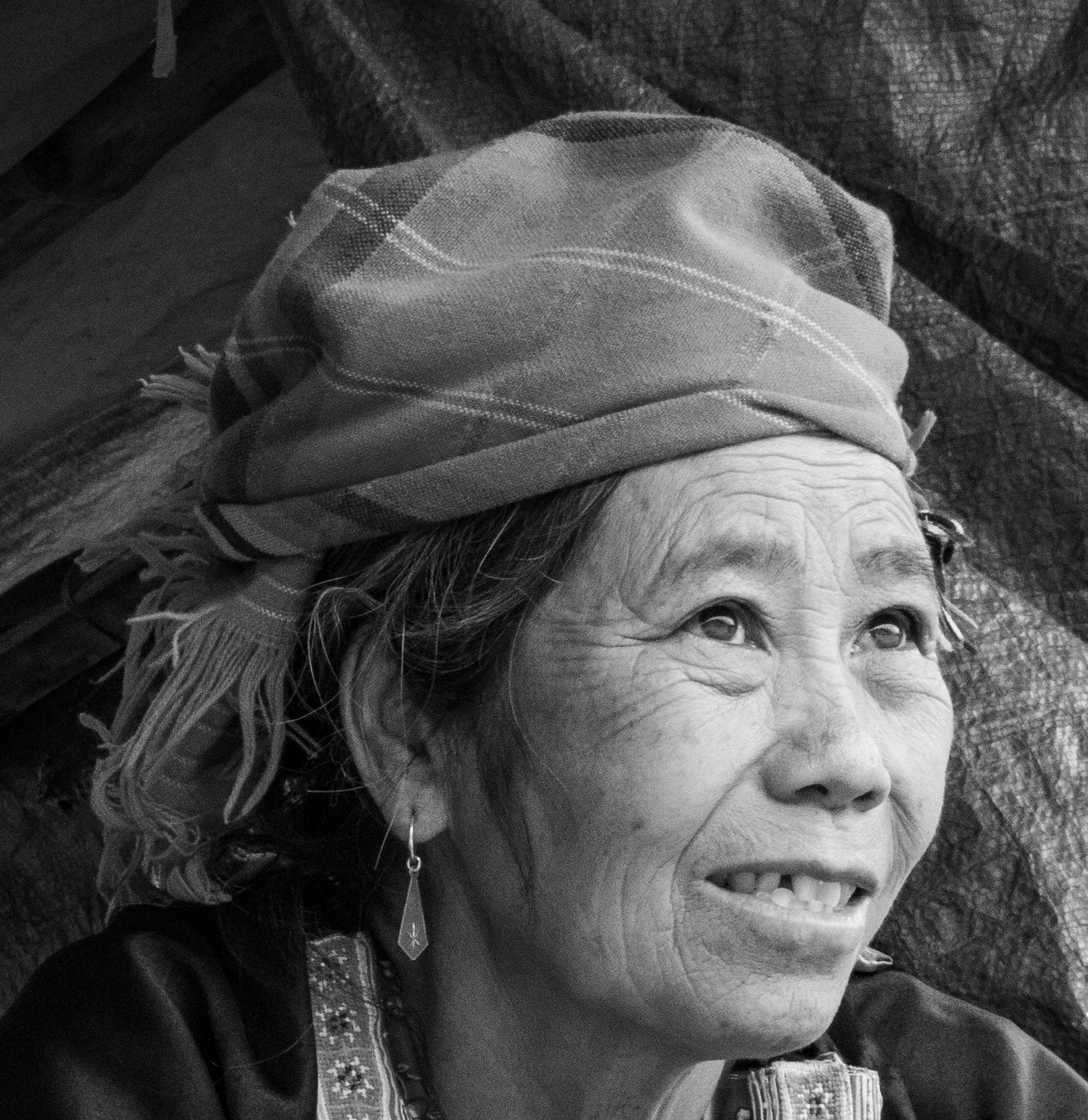
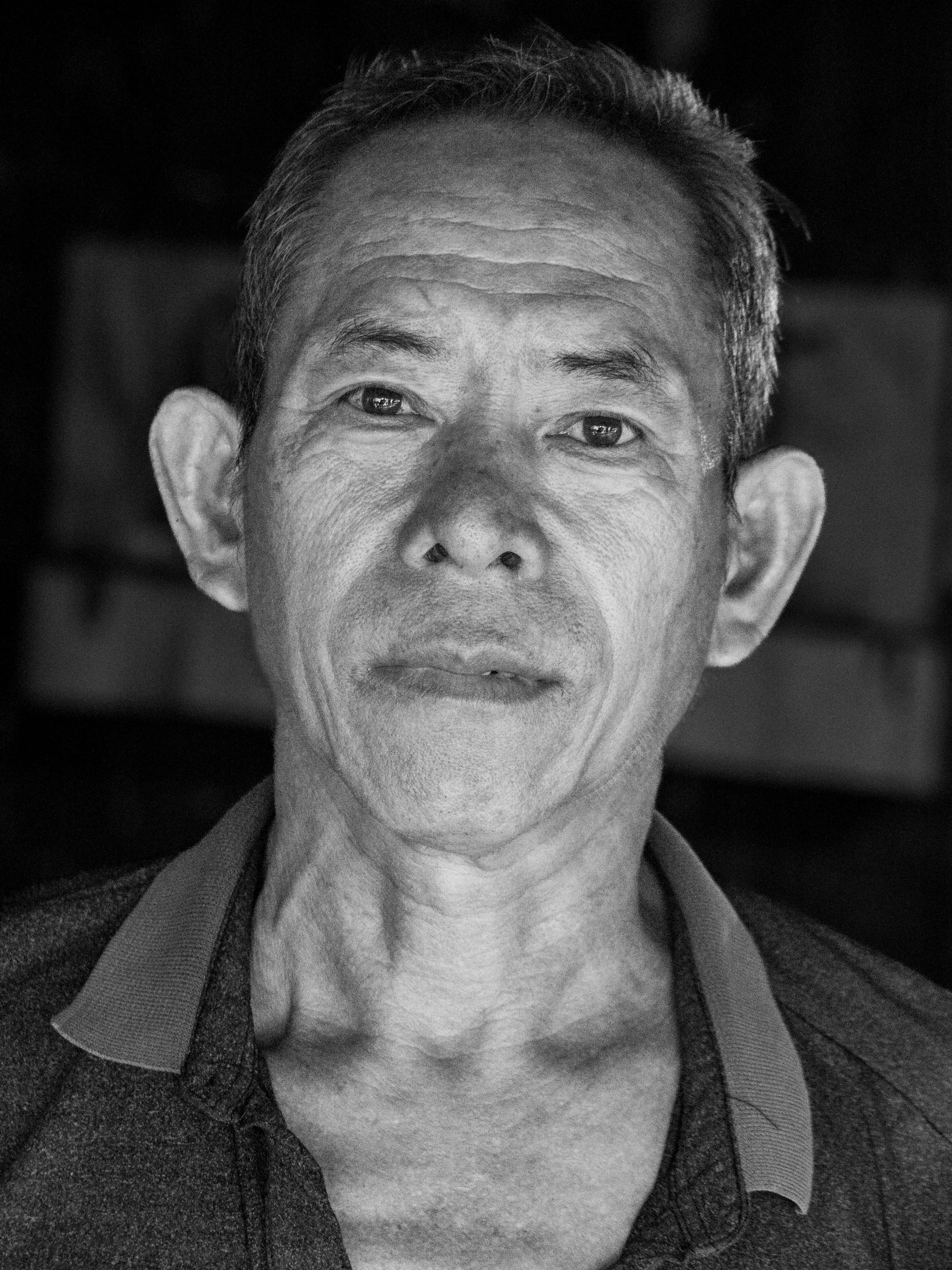
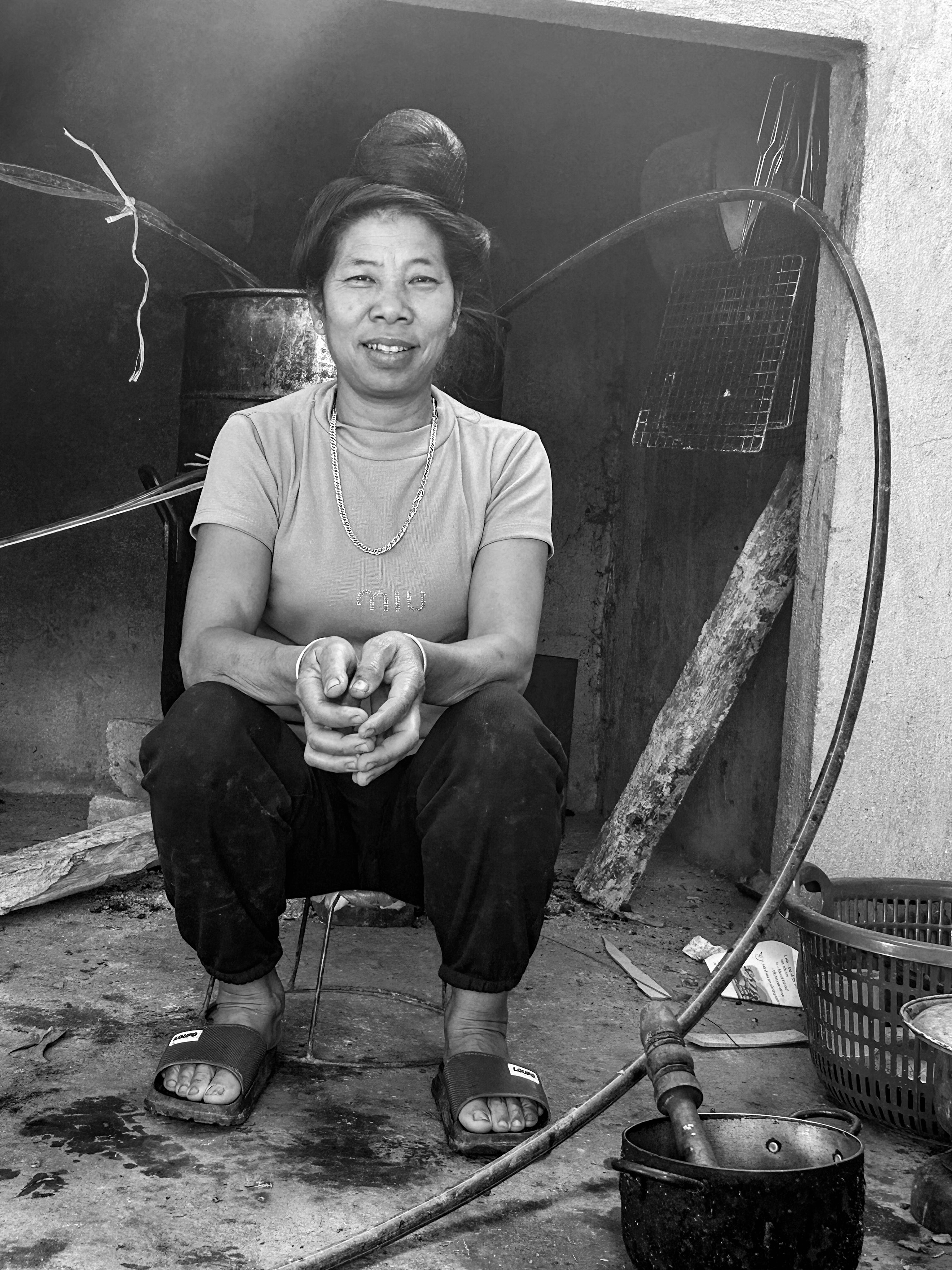
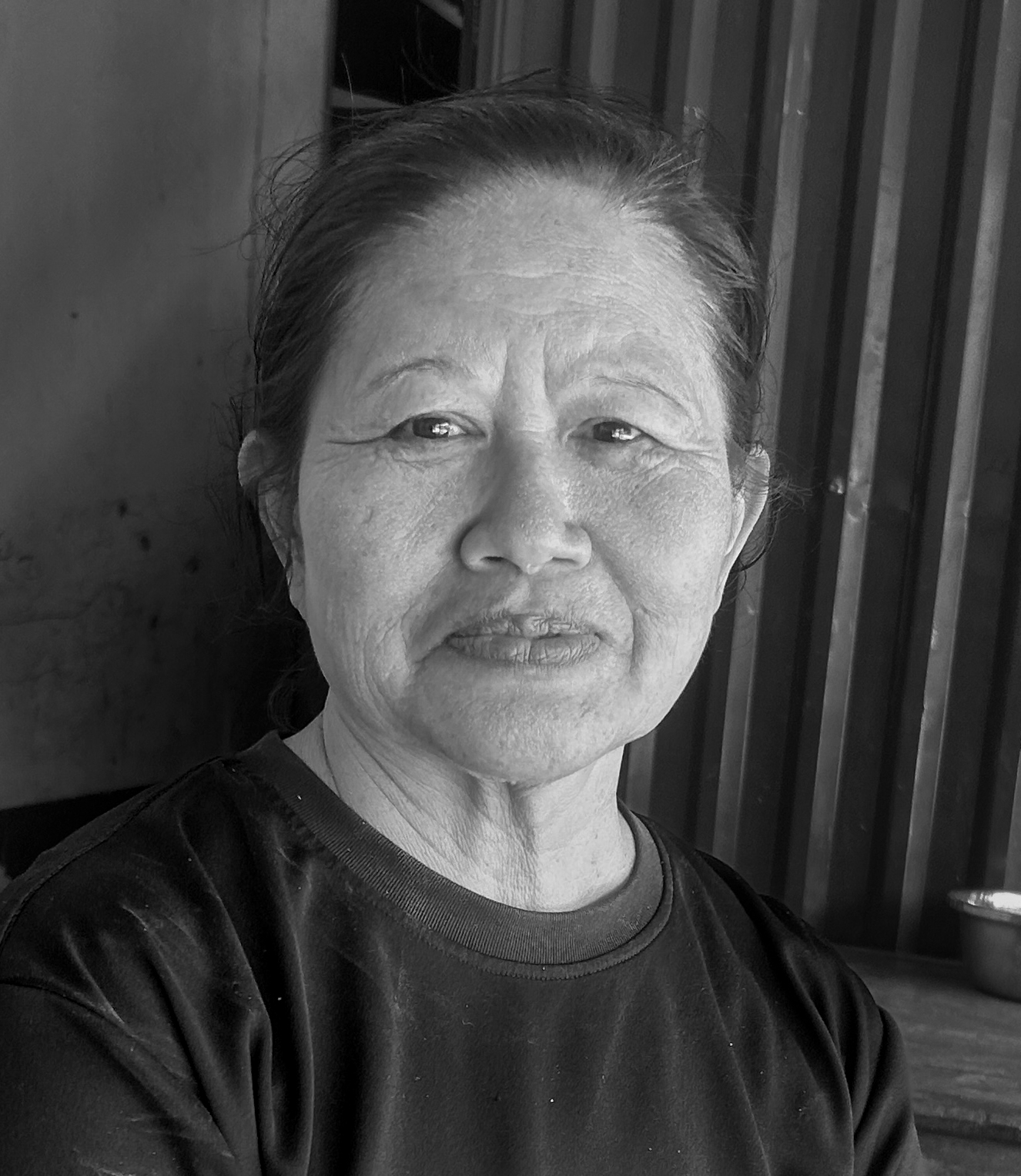
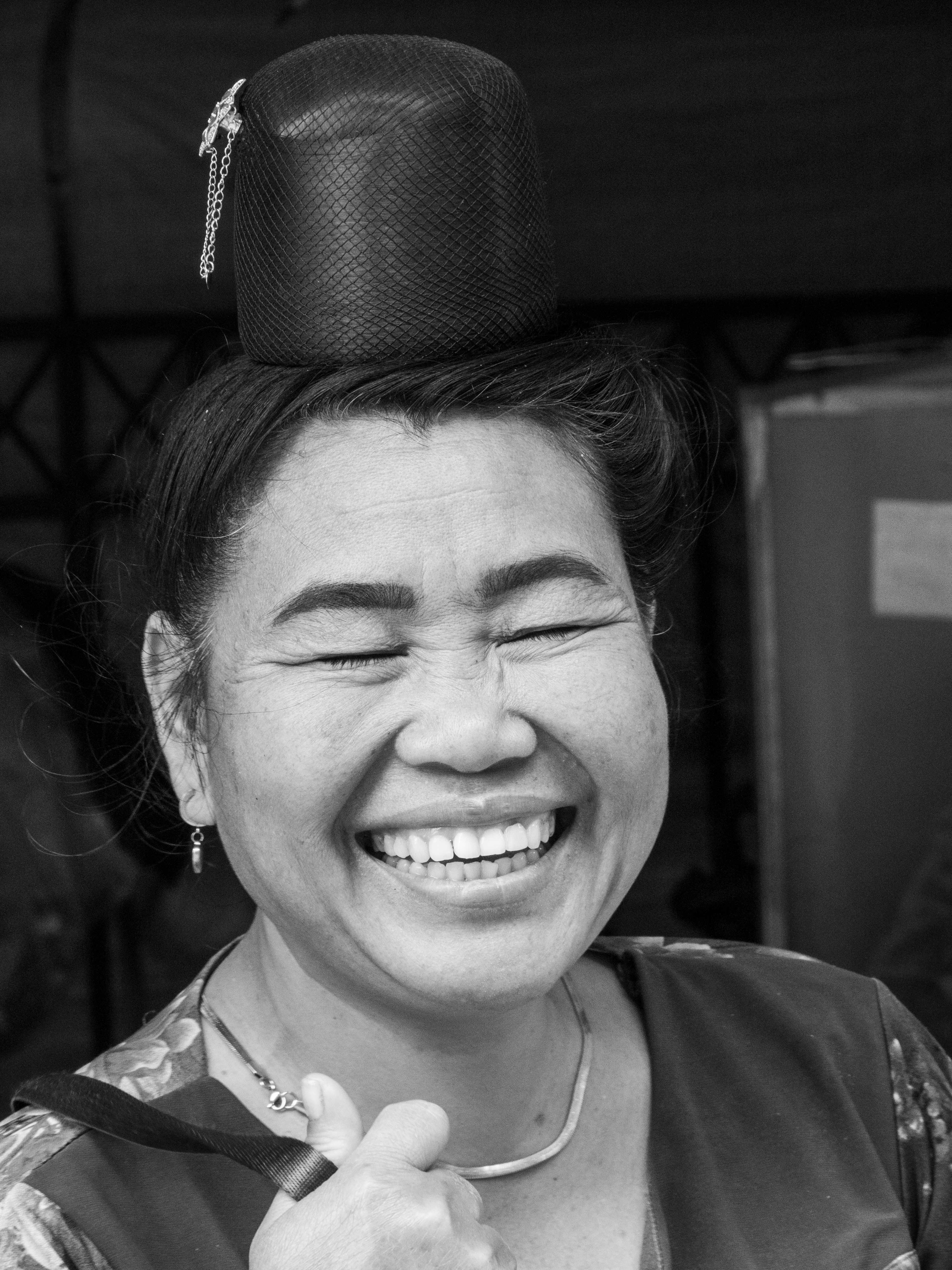
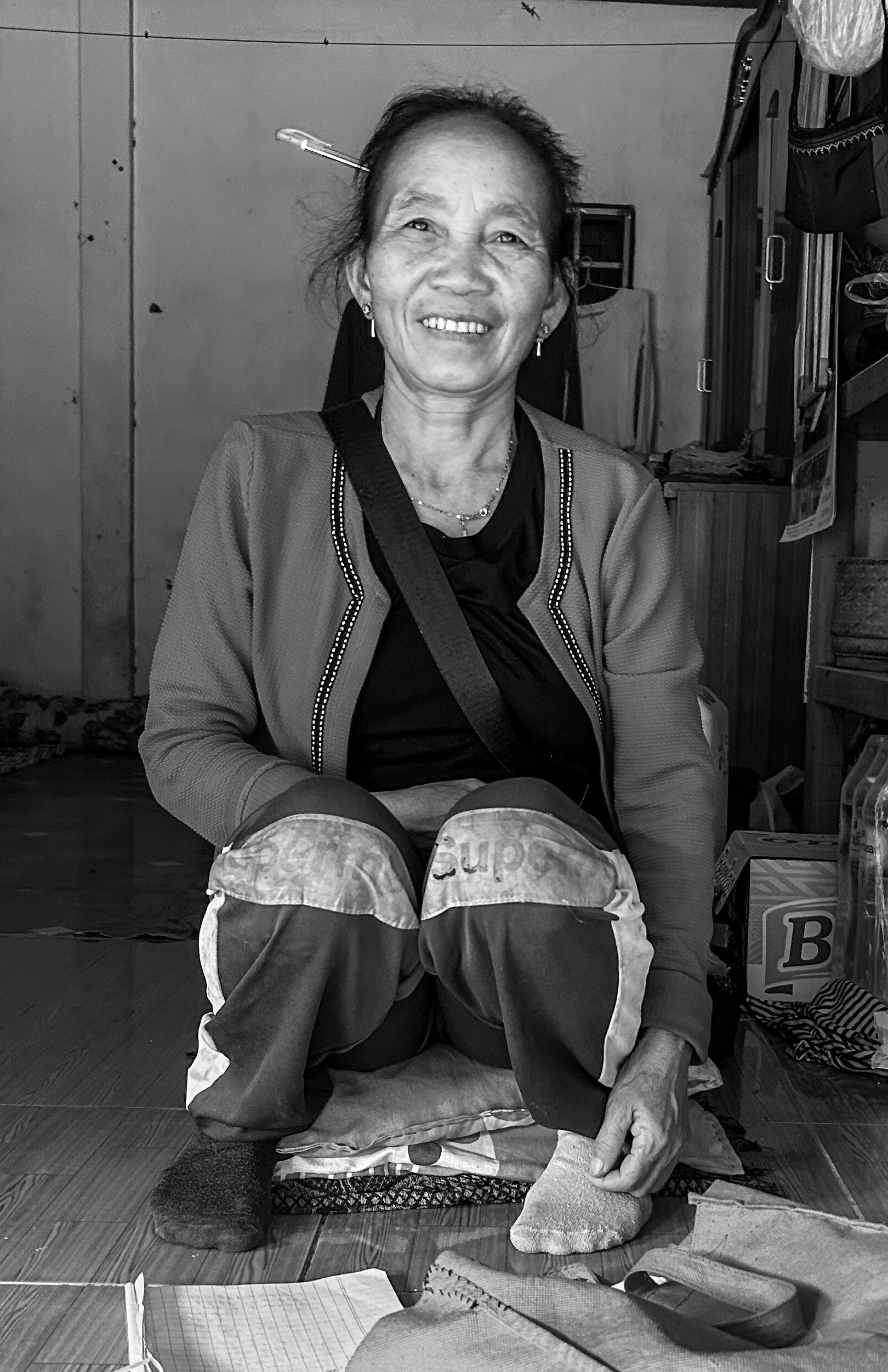
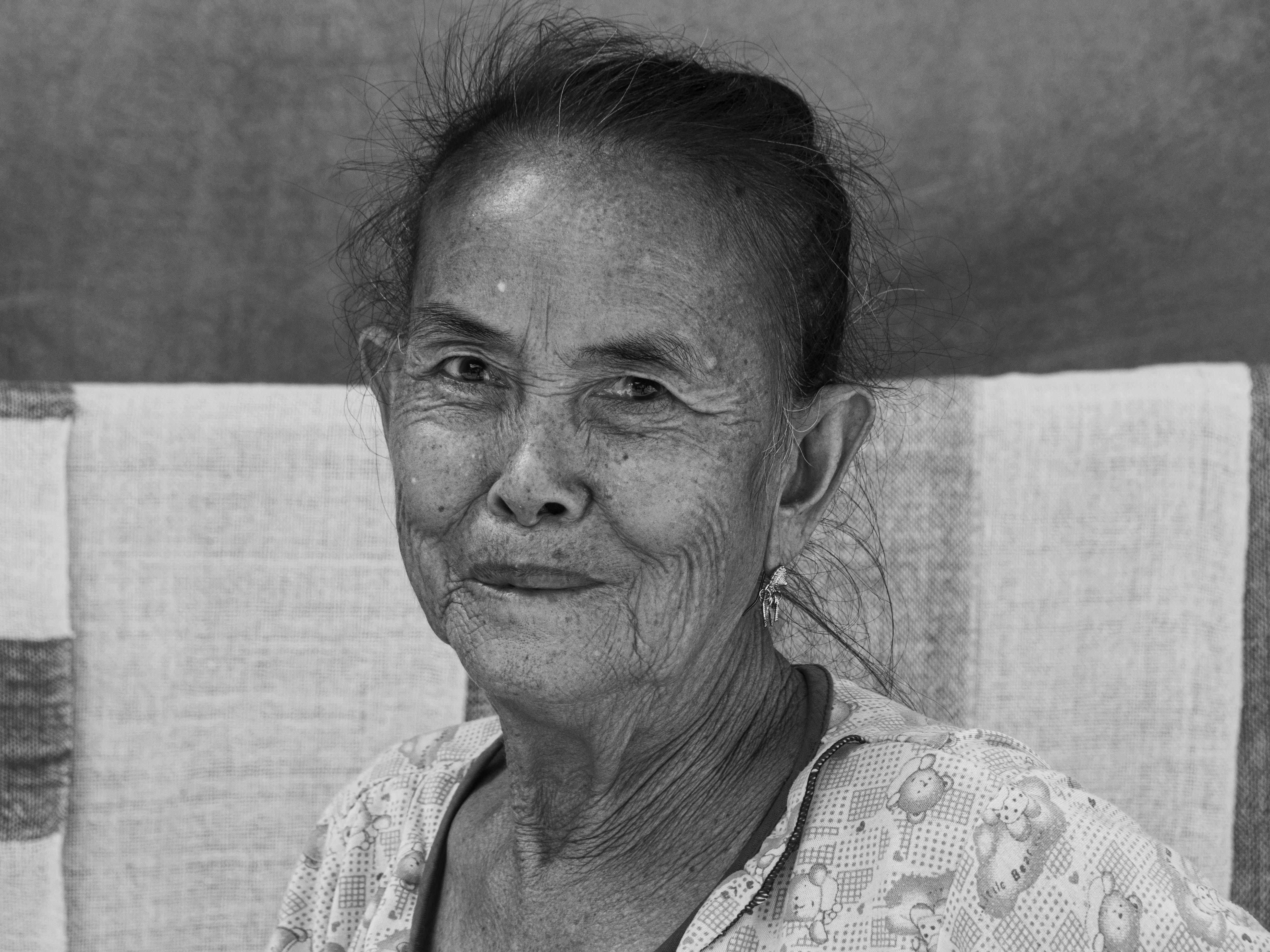
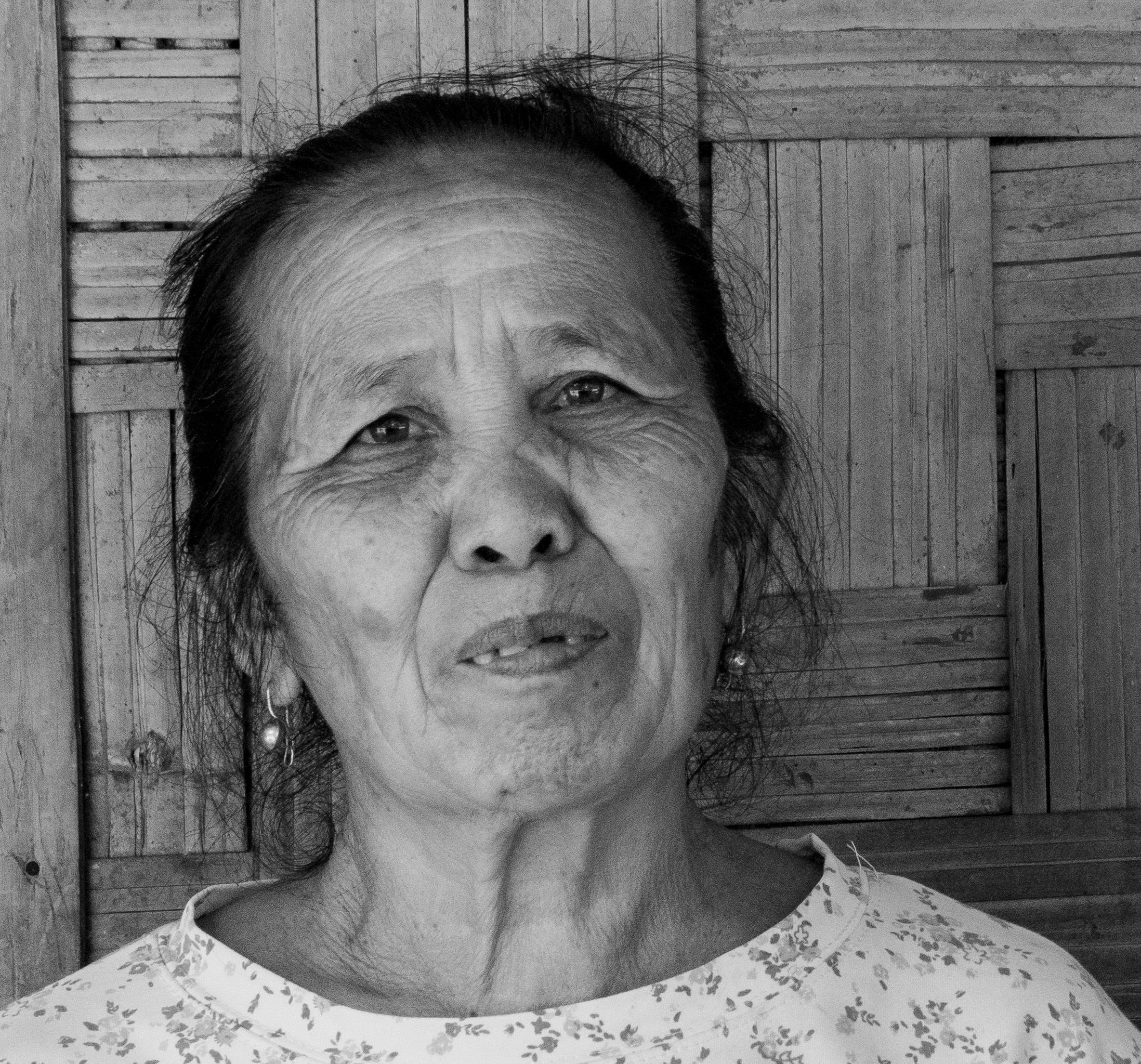
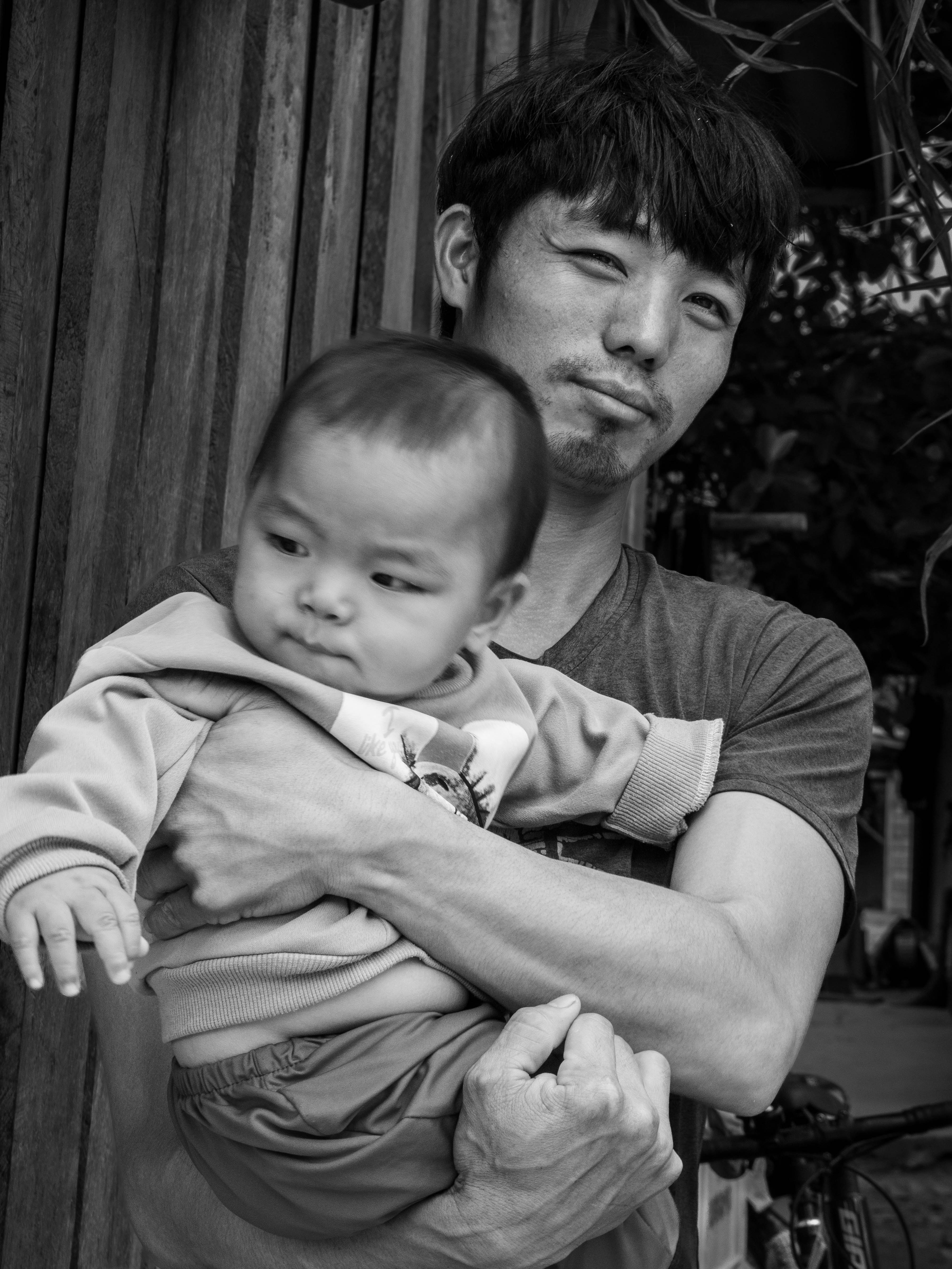
I will end this chapter of the blog with some images of the people who were so kind to host me in their countries. I look forward to more travel adventures in the future!












 wannabekiwi.com
Let me know what you think!