
Standing on the border
from Leann Rimes’s “One Way Ticket”
Looking out into the great unknown
I can feel my heart beating faster as I step out on my own
There’s a new horizon and the promise of favorable wind
I’m heading out tonight, traveling light
I’m gonna start all over again
Gonna climb the mountain
And look the eagle in the eye
I won’t let fear clip my wings and tell me how high I can fly
How could I have ever believed
That love had to be so blind
When freedom was waiting, down at the station
All I had to do was make up my mind
So it happened. I got a divorce. Don’t worry, it was not from Susanne. No, she was the hero of Travers-Sabine as well as 10,000 other moments over the last 40 years. She has always been there for me through, thick and thin. I count my blessings every day that she puts up with my nonsense and doesn’t make me sleep with the chooks 🙂
No, it was my Canon camera. After dragging that ridiculously heavy camera and its related lenses all over the world, up and down mountains, bogs, swamps, and all manner of difficult terrain, we have decided to part ways. To be honest, I didn’t really even want to have a conversation about it; sometimes you hit a point in a relationship when you know it is just over. Time to move on. I really didn’t want to hear about how loyal it had been. Blah, Blah, Blah. Done. Over. Finito. Moving on.
I first started down the Canon path in 2013 on a trip to Patagonia and dragged all that stuff into some crazy places. It was a nice relationship while it lasted. We took a lot of great photos.


Adios, you big heavy thing
Not to worry though, I am not alone. I got remarried.
I had purchased a OM-5 camera for my trip to Vietnam with the idea that I needed a lighter camera for travel and especially if I was taking it on a long bike ride across Northern Vietnam. I fell in love with the small, light format.
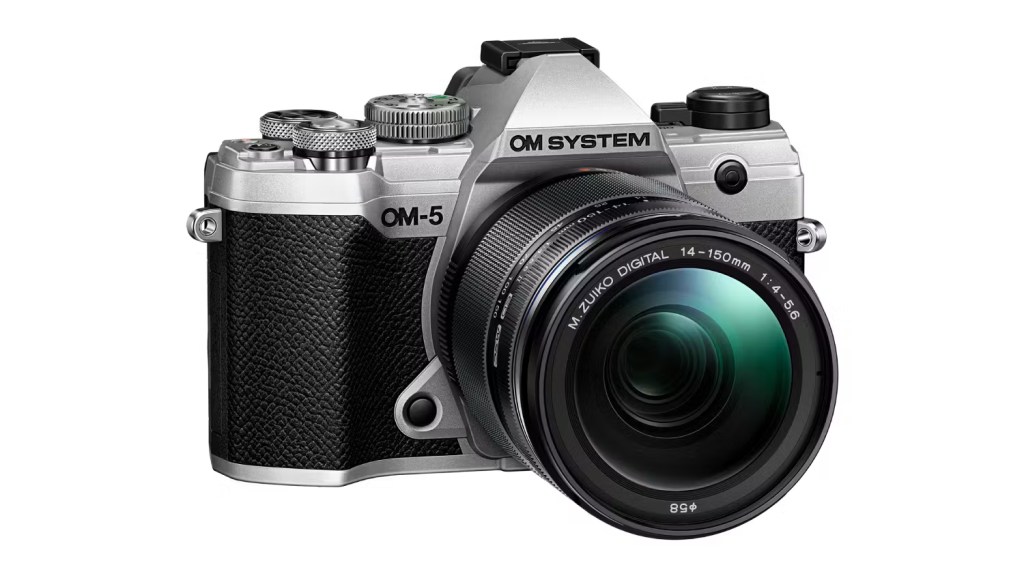
I don’t want to be totally nerdy on camera stuff, but I am going to get totally nerdy for a bit. The Canon, along with other high-end camera brands are called full frame and have a sensor size of 36 x 24 mm. They provide better low-light performance and a shallower depth of field (e.g., to get that cool blurred background effect). The OM cameras have moved to a micro four thirds format where the sensor is 4 times smaller at 17.3 x 13 mm. At first you might think this is a bad thing since bigger is always better right? Not so fast Kimosabe. What it does bring to the table is a much lighter camera, better image stabilization, and lenses that have much bigger equivalent reach (e.g., 200 mm is equivalent to 400 mm). They really excel for wildlife and landscape photography, since they are much easier to handle. I really had a hard time holding the Canon steady with a 600 mm lens on the thing. They also excel in what is called “computational photography.” There is a lot of cool stuff in the camera, like night shooting and focus stacking.
There are a few topics that are always guaranteed to start a bar fight. Topic 1: Should you carry a gun while tramping around the wilds of Alaska? Ask that question in any Anchorage bar and watch the melee begin. Topic 2: Are micro four thirds better or worse than full-frame cameras. This one is universal. You can go into any bar in the world and watch the fights break out. As a favor, here is some sage advice to ensure you have long-lasting friendships in this world—avoid all conversations that involve (a) politics, (b) religion, and (c) full-frame versus micro four thirds cameras. Trust me.

You might ask, why the big switch-a-roo now?
Good question. The key driver for it all is that my dance card now has a trip to Antarctica in February 2027. Photography is a big part of that trip, so I wanted to upgrade and have the right type of photography equipment. The current line up is an OM-5, an OM-1, and a TG-7 coupled with some pretty amazing lenses.
My goal is to get out and practice, practice, practice with this equipment until it is second nature. The less time you spend fiddling with your camera, the more awesome penguin shots you will get. And who doesn’t want awesome penguin shots, right?
It is important to remember that no matter how good your equipment is, if you take a boring or poorly composed shot, it will still be bad. This is fundamental. One thing about the modern digital camera world is that it can seduce you into always buying new and better equipment with the implicit promise that you will take better photos. However, if you don’t upgrade the photographer, all of that expensive camera gear will be for naught. That said, when you compose and execute well, the results are pretty stunning.
I’ll let you be the judge.

Leave a Reply