
The fall weather was looking promising, so I loaded up every piece of new camera gear I own—which at this point could stock a small photography boutique—and pointed the Ute toward the Kaikōura coast for a proper photo safari. Birds were the target. Learning was the goal. Chaos, as it turned out, was the theme.
Fair warning: there will be a lot of photos in this post. I have a camera that shoots 120 frames per second. I have a problem.
Day 1: Pivots, Pinnipeds, and Prehistoric Rocks
Ward Beach and on to Kaikoura
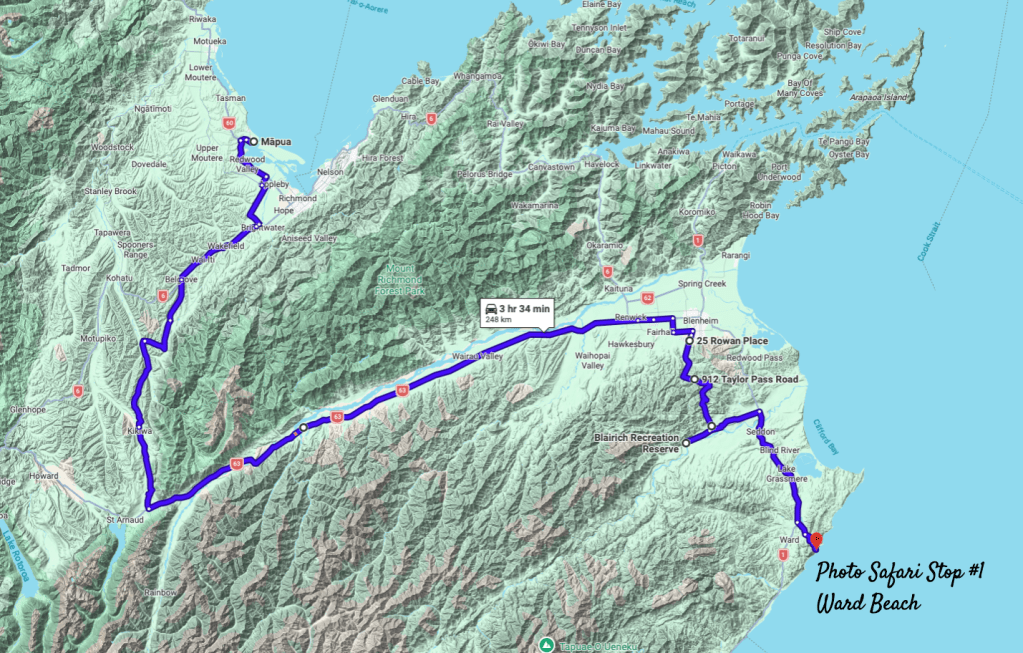
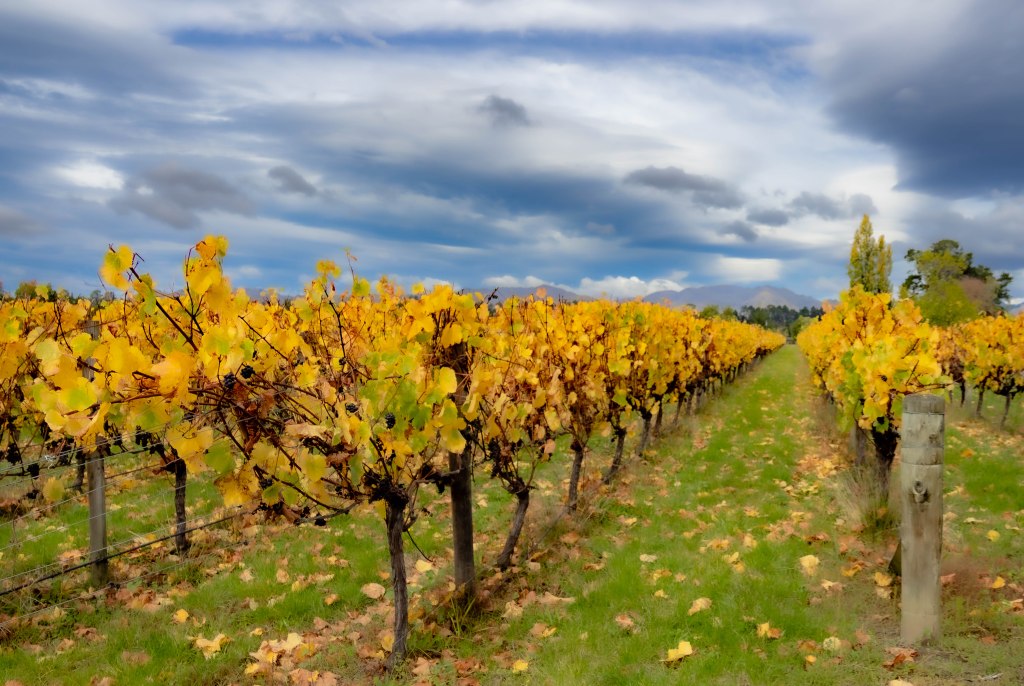
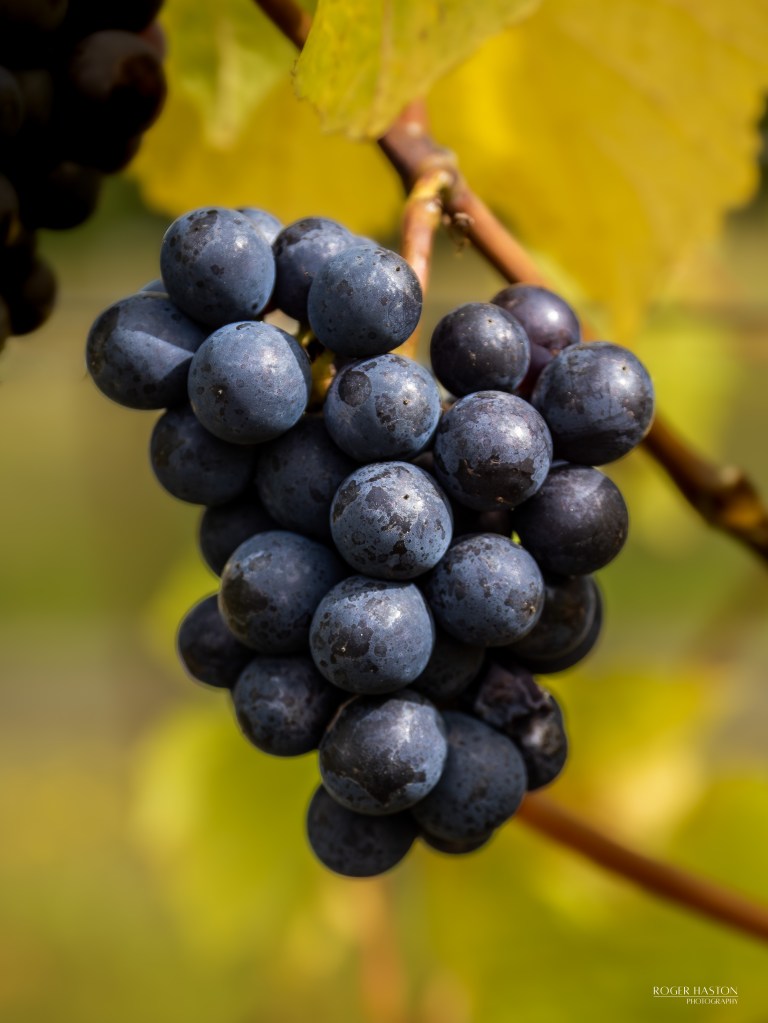
When I left Māpua it was pissing. A big cyclone was moving its way down the East Coast, and for a while it seemed like my “photo safari” might just be a bit squishy. But by the time I reached the Marlborough Valley, the clouds had begun to clear up—the weather was on the mend. The initial plan was to drive up the Atawere River valley and get a view of the Molesworth Muster trail and some of the big mountains of the Inland Kaikōura Range. There are a lot of vineyards in the area that produce, IMHO, some really great wines. I stopped and took a few photos along the way.
This plan lasted until I could see the mountains were completely socked in with clouds. Time to pivot. Welcome to Ward Beach.
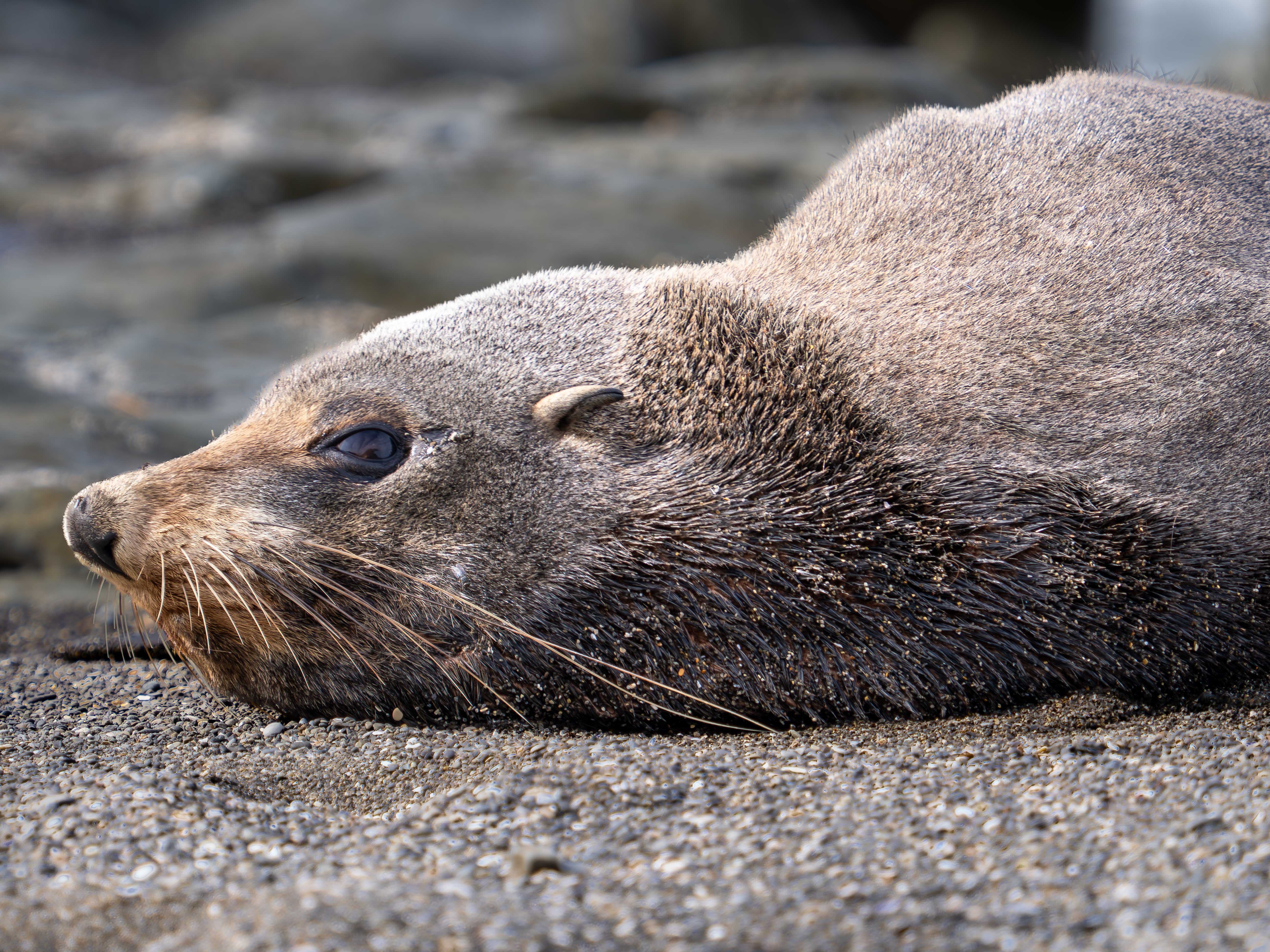
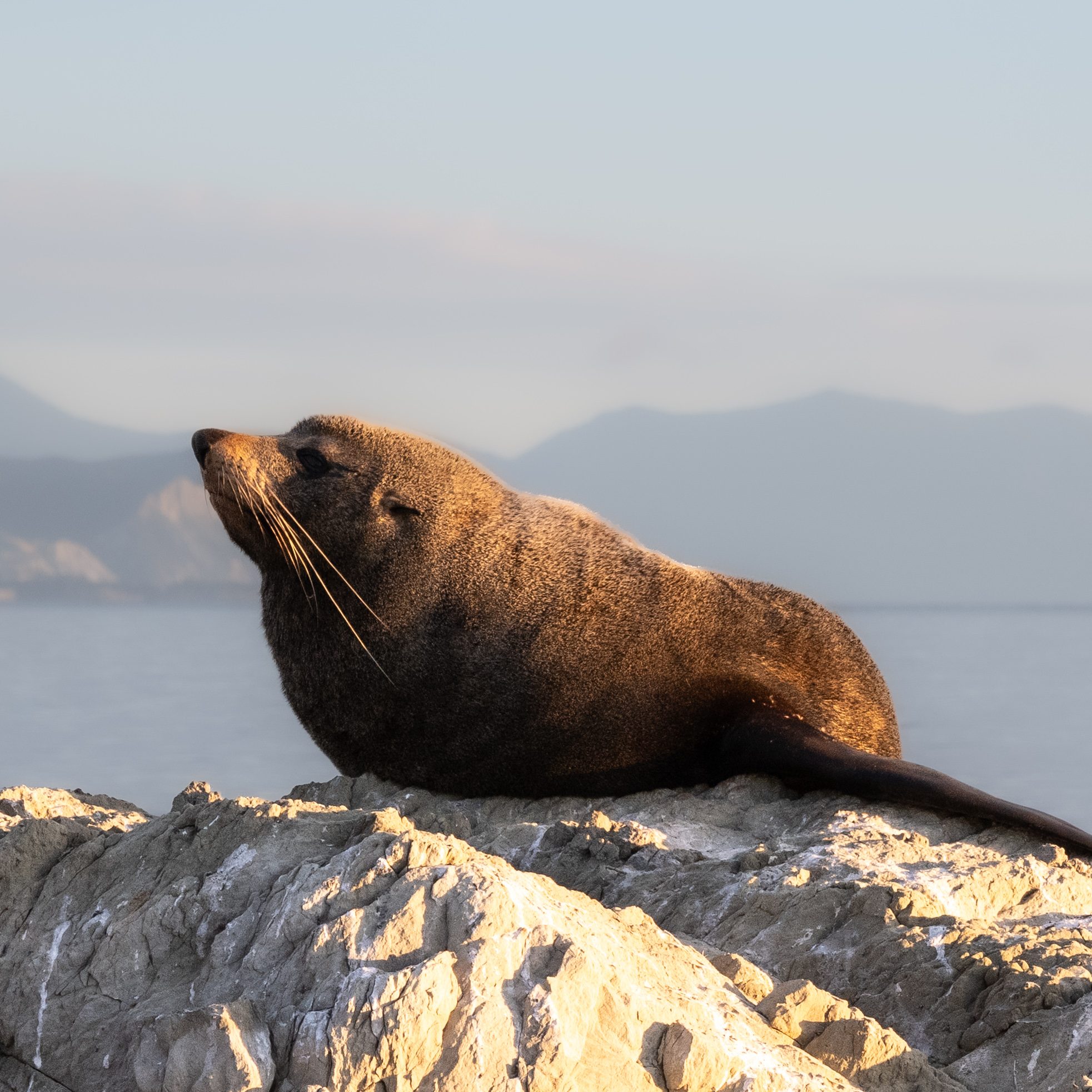
Ward Beach has a private campground, a public reserve, and—on this particular day—a fur seal who had absolutely zero interest in being disturbed. He did open an eye to let me know I should keep moving.
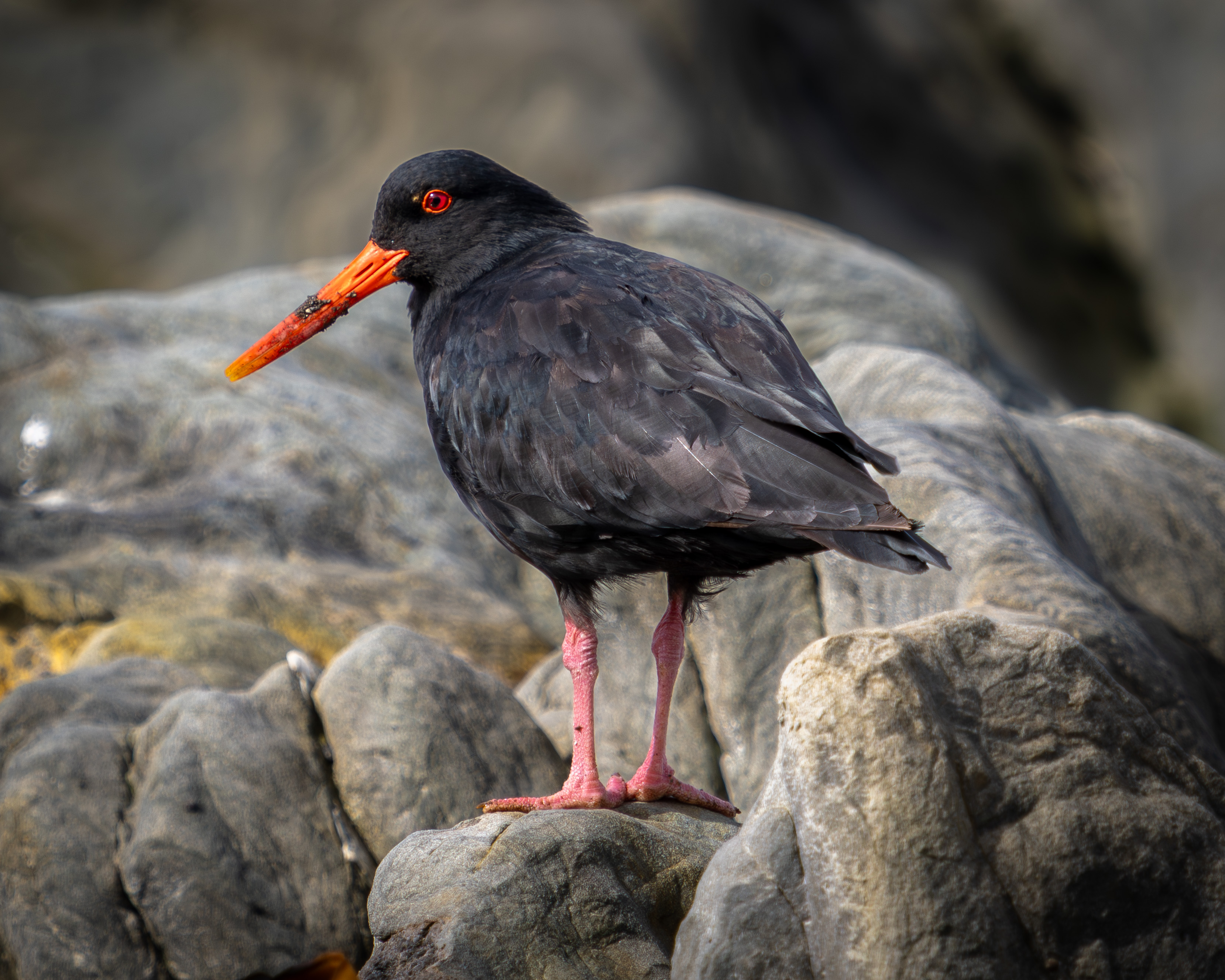
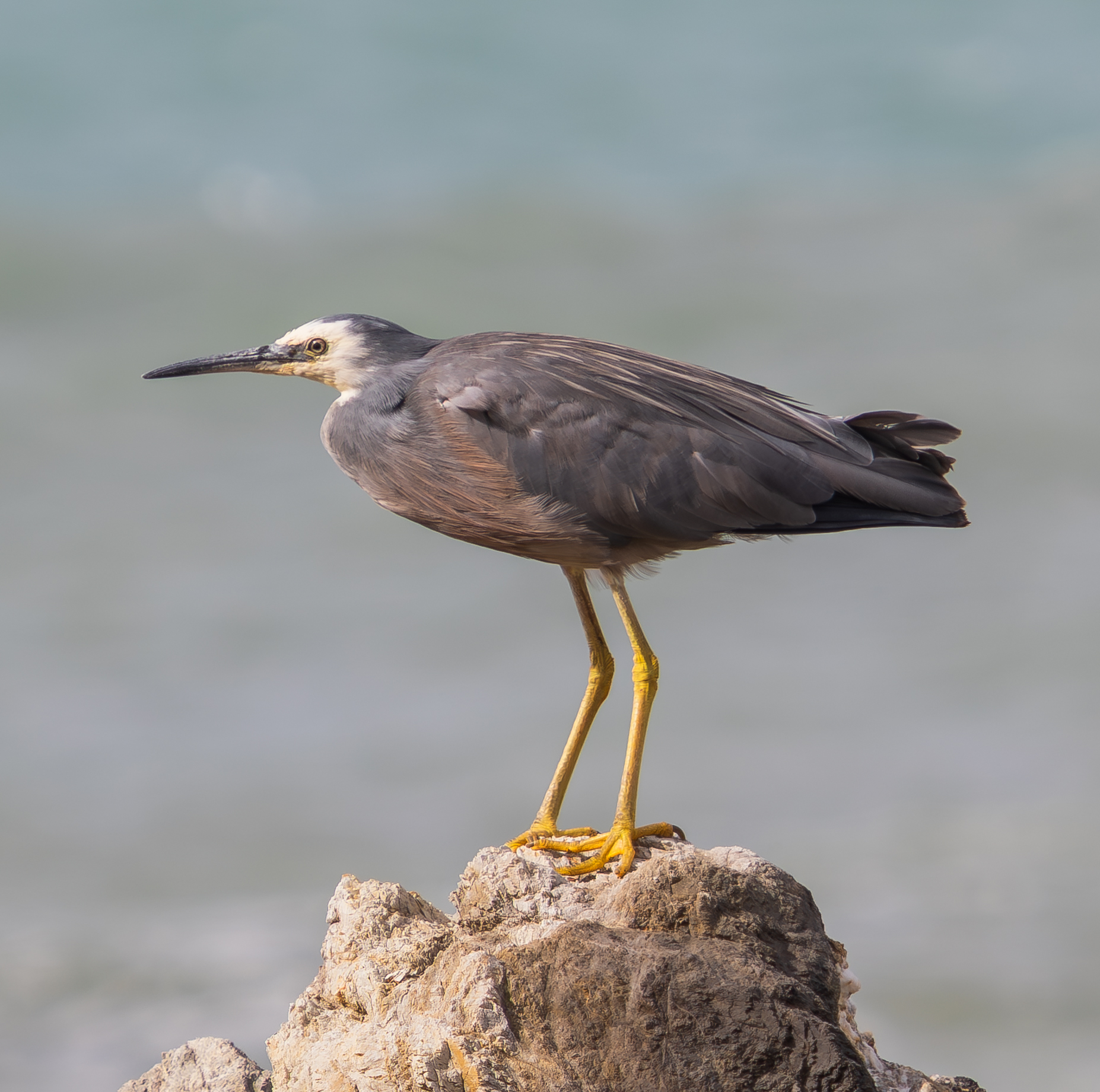
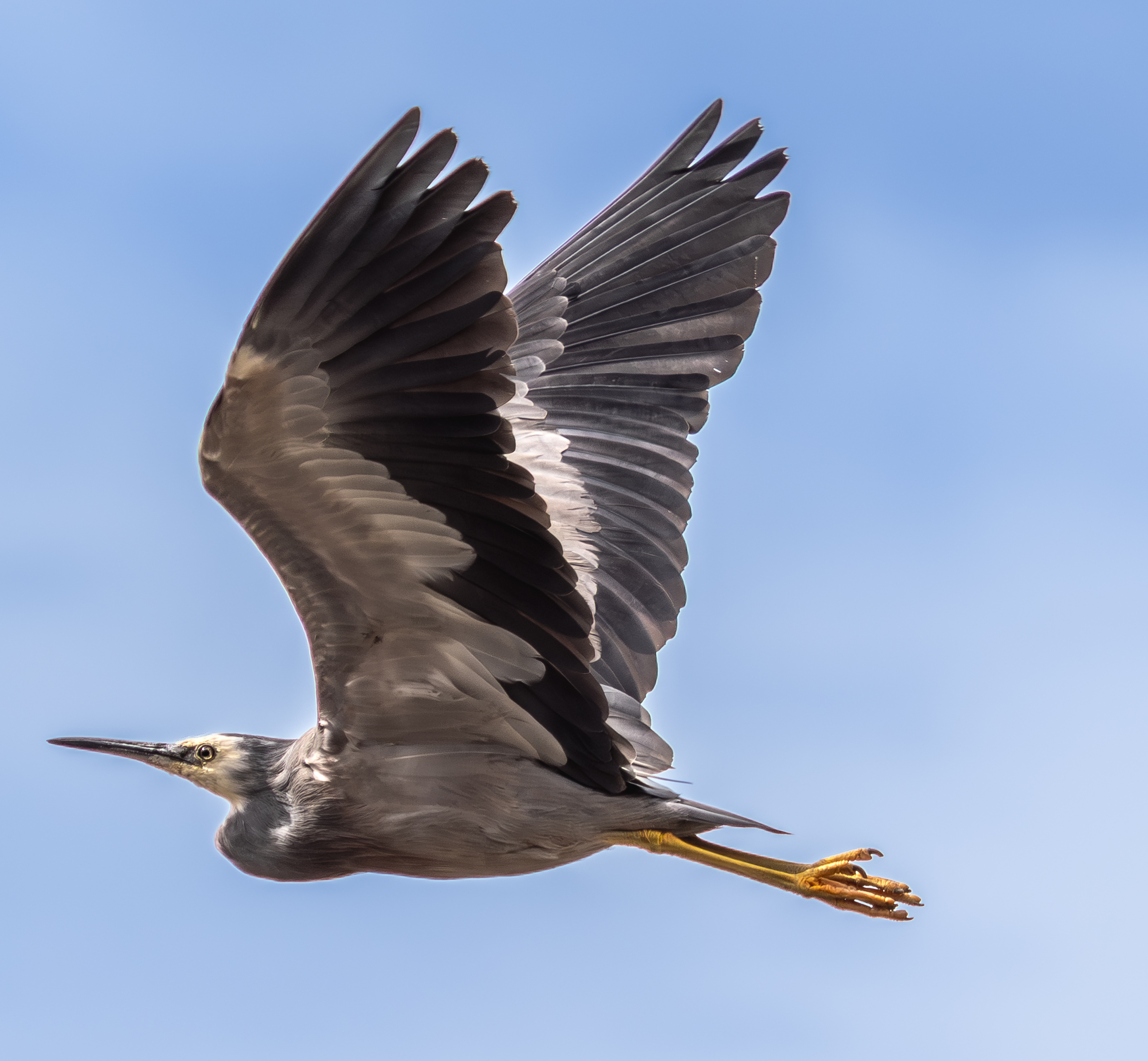
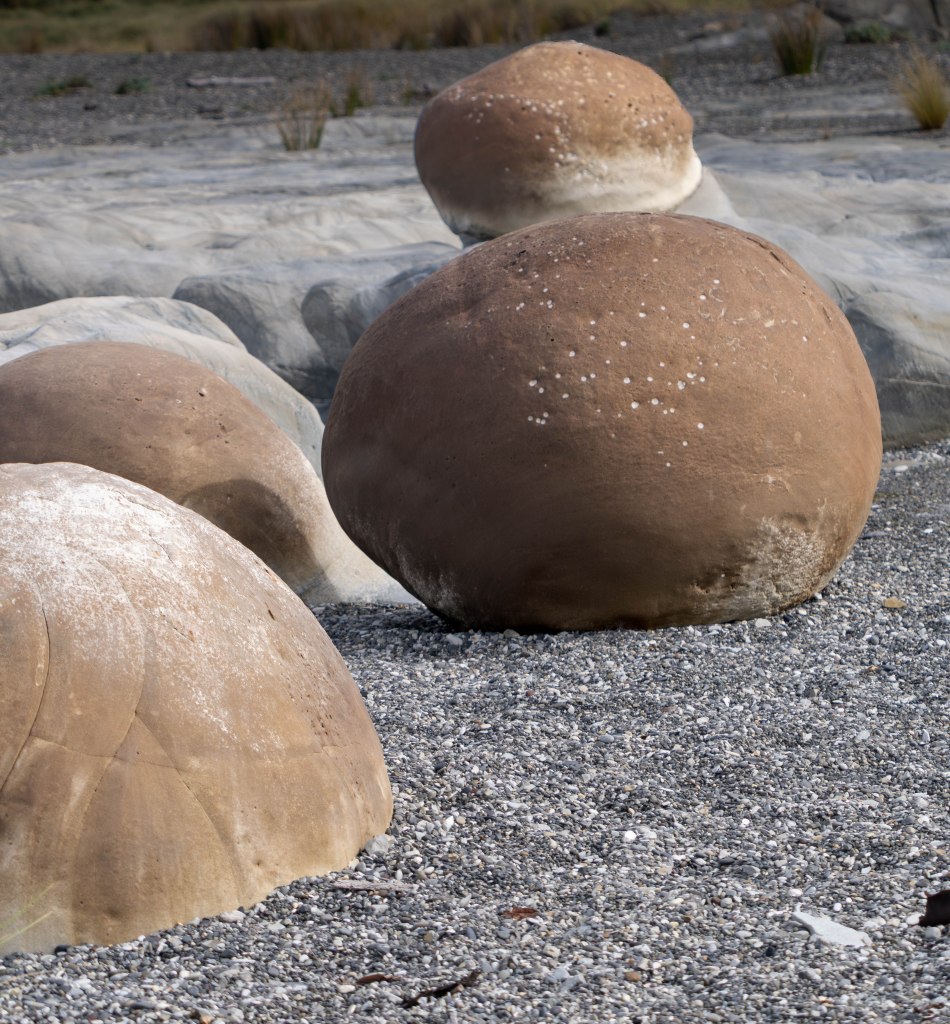
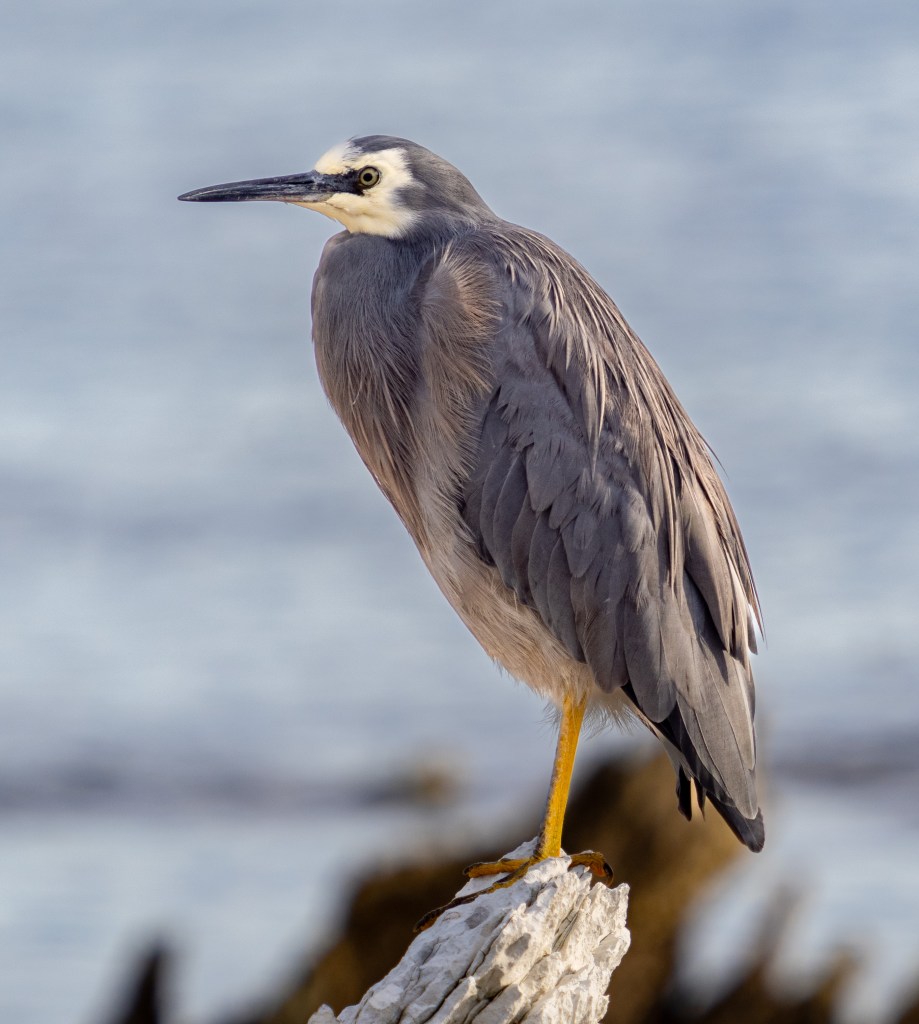
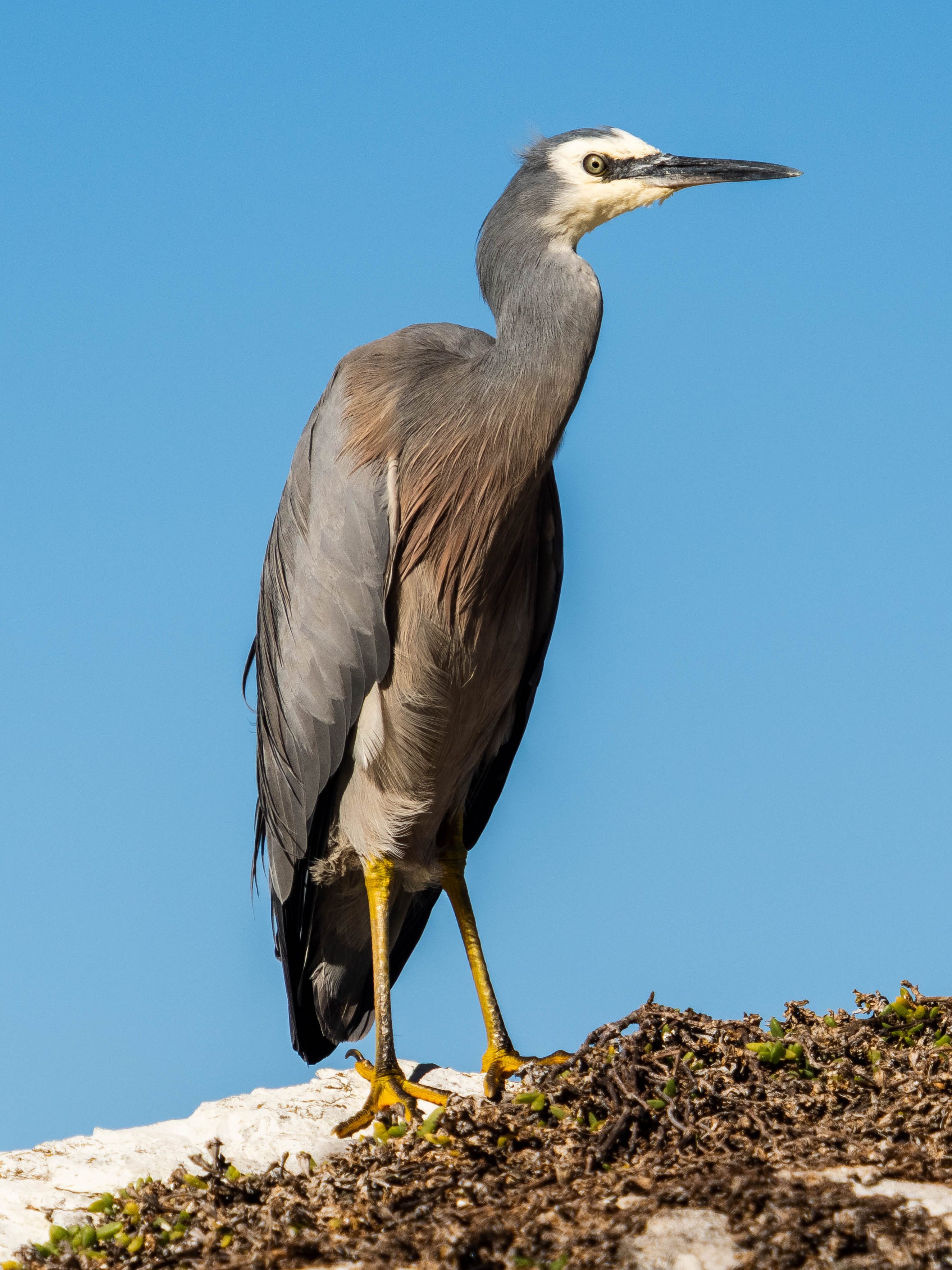
I packed up the gear and headed up the beach in search of some Moeraki Boulder-style rock formations I’d read about. The coastline here is stunning—hard limestone shelves sculpted by time and, more dramatically, by the massive 2016 Kaikōura earthquake, which literally lifted sections of the seafloor out of the water. It looks a lot like what you see on Mt. Owen. Among the rocks, I found white-faced herons, Paradise shelducks, and oystercatchers doing their synchronized dances.
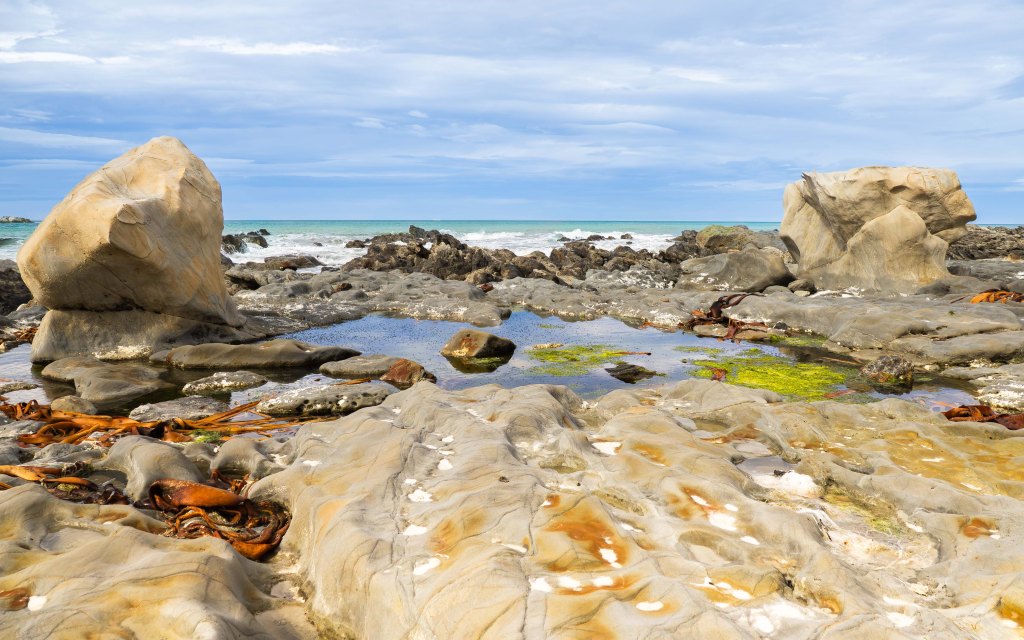
This was also my first real field test of the OM-1’s bird autofocus. There’s a dedicated “bird” mode that identifies bird shapes and locks focus on them—even mid-flight. I was pretty impressed with how well it worked. The other jaw-dropping feature is the shooting speed: 120 frames per second. When I was 19 and spent 10 months traveling the world, I had 20 rolls of film—36 shots each—for the entire trip. This camera could burn through all of that in six seconds. Wowzaa. This does create the next-level problem: how to sort through all those photos!
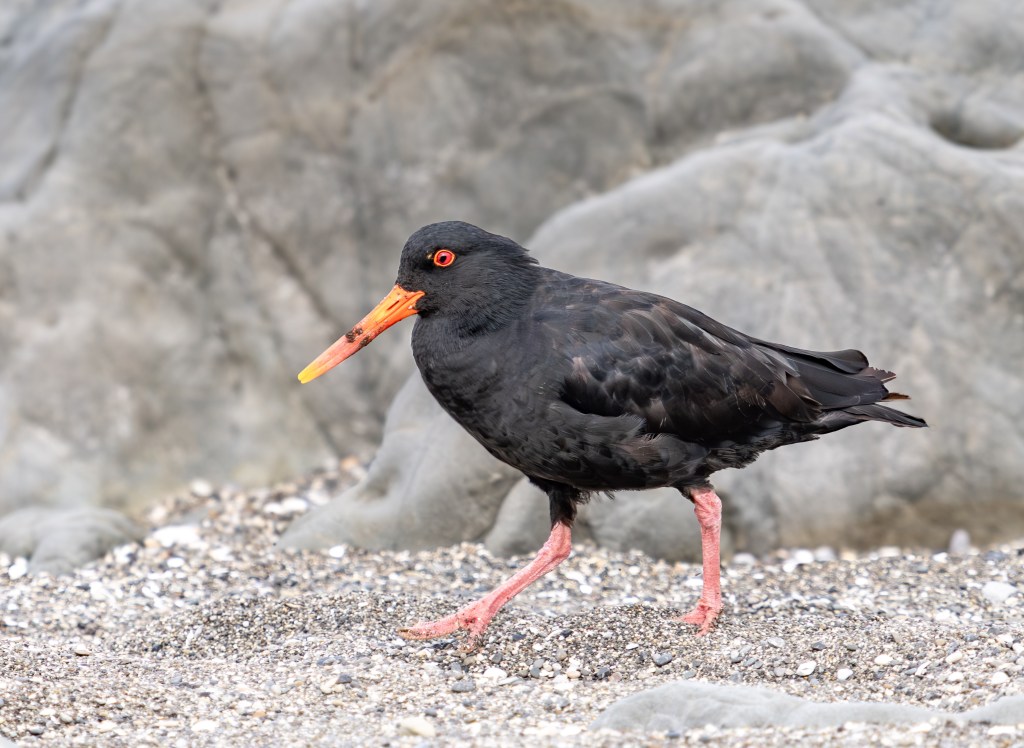
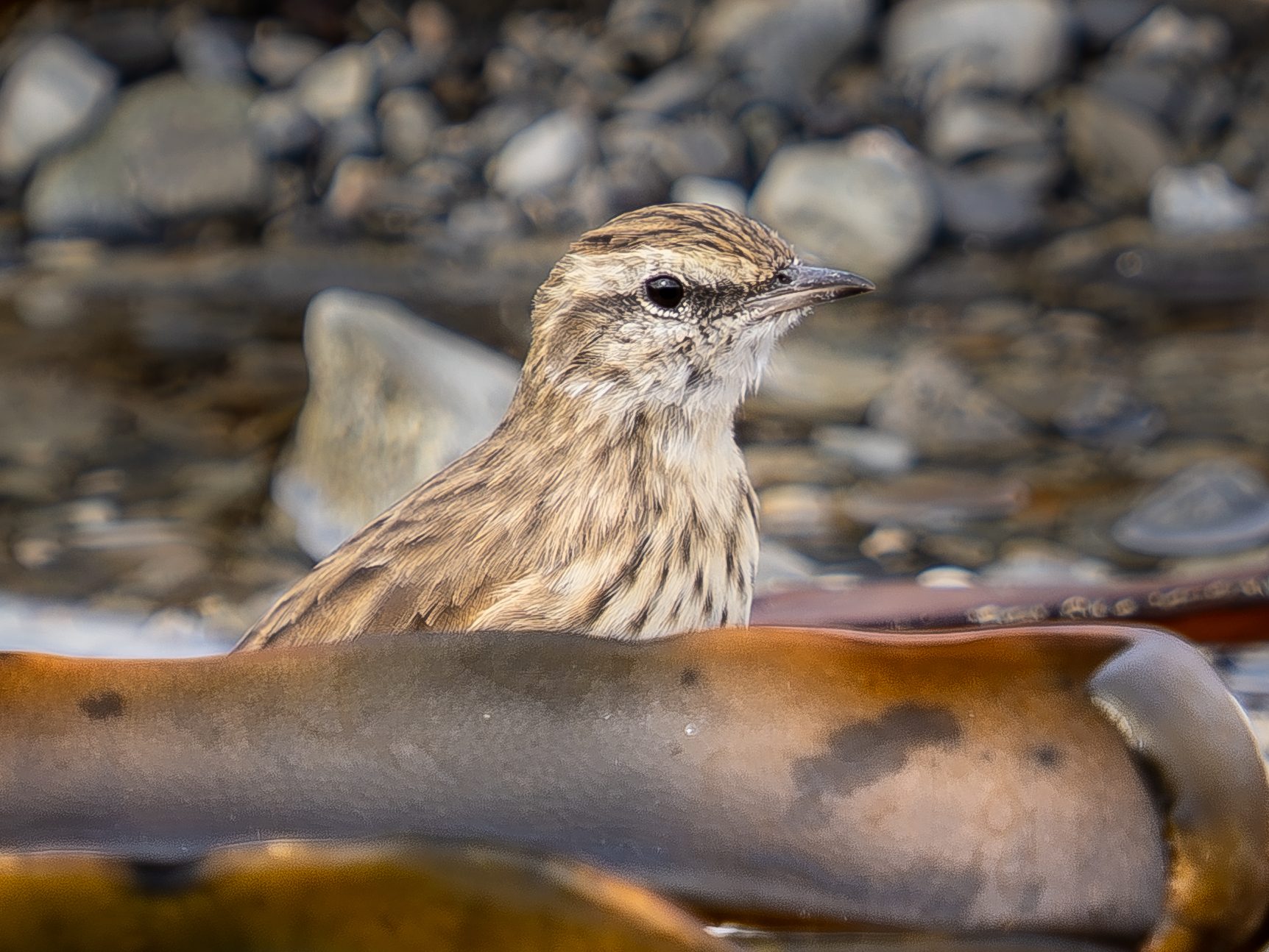
The boulders themselves were cool. My photos of them were … less so. Some subjects just don’t cooperate. The fur seal, at least, was photogenic in his fish-induced slumber. I said goodbye to him (he did not respond) and headed an hour south to Kaikōura.
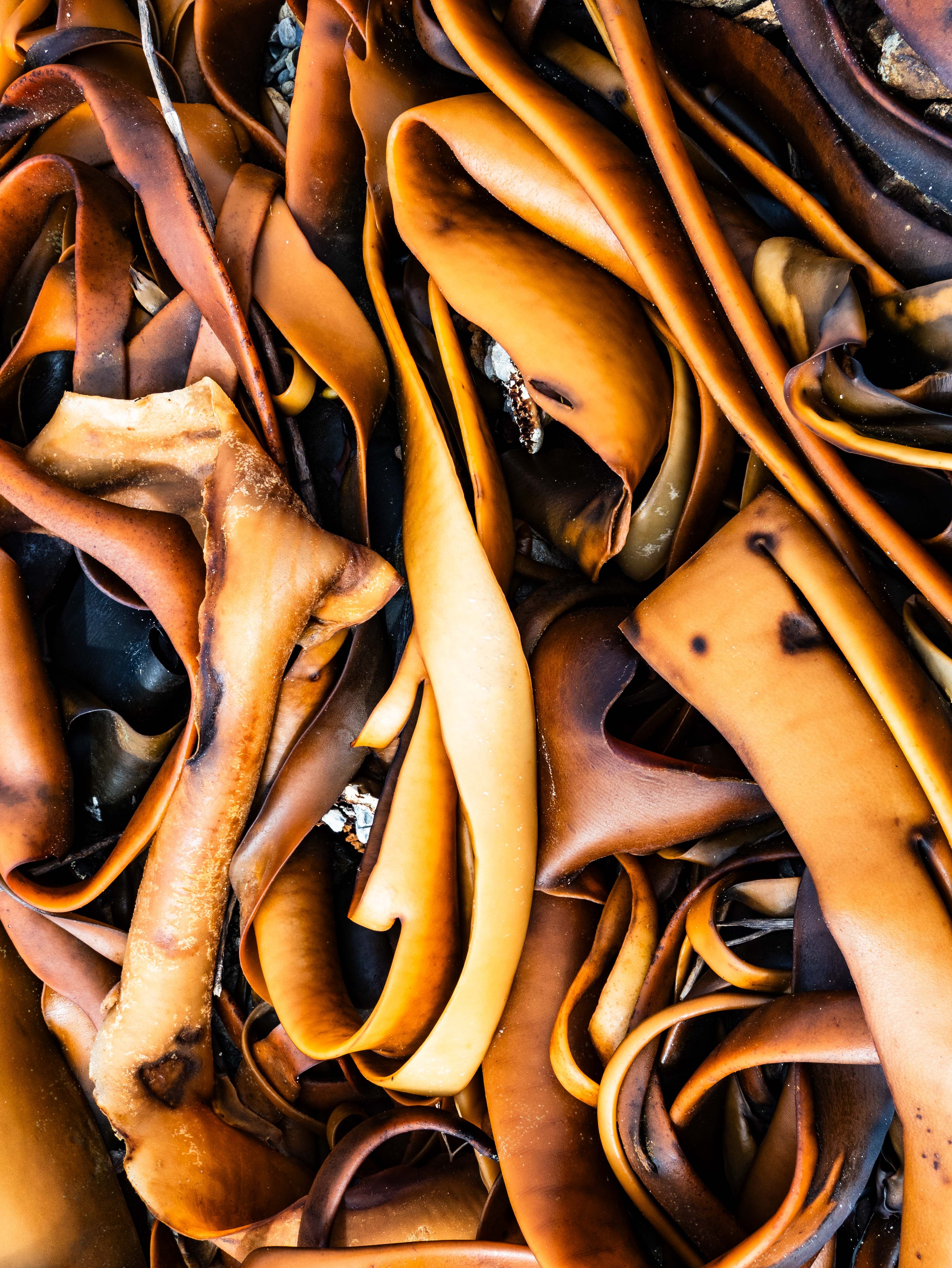
Every time I drive into Kaikōura I understand again why I tell every visitor to New Zealand: you have to go here. The Seaward Kaikōura Range drops almost straight into the ocean. I checked into my little Airbnb and walked out along the coast to watch the fading light of the first really good day of the photo safari. The weather was looking great, so now I just had to decide what to do the next day.
One more white-faced heron bid me good night.
Day 2: The Pelagic Bird Tour (A Comedy of Batteries)
Kaikōura Bird Tour and bike ride
The little place where I stayed was quite nice; basic but nice. Very roomy for just me. I would have camped, but the weather forecast had looked so iffy that I decided to rent a place. Turns out the weather was stellar, but it was nice having a place to hang out with all my gear.
The ocean forecast was glassy. The weather was perfect. At 8am I spotted a single spot available on the 9am pelagic bird tour—a boat trip offshore specifically to find seabirds. At NZ$185, it was a bit pricey, but I’d been wanting to practice shooting birds in flight from a moving platform. A warm-up for Antarctica, which isn’t going to be a forgiving classroom.
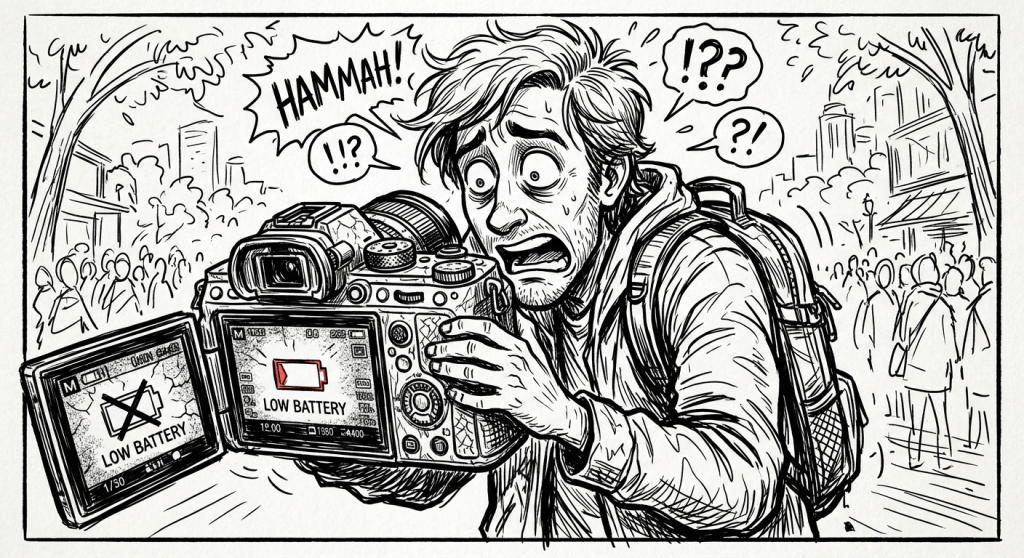
I said yes, packed two cameras—the OM-1 and the OM-5—and headed down to the departure point with time to spare. I sat outside doing a careful equipment check, feeling extremely organized and professional. I fired up the OM-1, and it flashed: “Battery Empty.”
ACK! No worries, I had bought spare batteries specifically for this situation. I reached into the bag, pulled one out, went to slot it in and—
Wrong battery.
I had ordered spares for the OM-1 without ever actually checking whether they fit the camera. Rookie error, doh! I then checked the OM-5: 50% battery. Ugh. I had brought extra batteries for the OM-5 on the trip, but had not actually put them in my camera bag today. I panicked. What to do. I didn’t have time to go back to get them. My whole trip was going to be ruined.
I sat there in the morning sun having a quiet internal meltdown. My whole bird outing, I was convinced, was ruined.
Then something shifted. I reminded myself: the photography is only part of the trip, not the whole experience. “Don’t let the equipment ruin the experience.” I relaxed. This was a good test run for the more important trip to Antarctica; if things go sideways—and they will—the experience will still take place. A camera is a tool, not a requirement to have a good time. I was quietly proud of how quickly I arrived at this very sensible realisation. My inner zen-self, who rarely gets a word in edgewise, was pleased.
As we loaded into the van, I realised our departure point was about 50 metres from my Airbnb. I asked the driver if I could make a quick dash to get some batteries. He said, “no problem.” I sprinted, grabbed OM-5 batteries, sprinted back, and boarded the boat without delaying the adventure. Crisis resolved!
The boat motored out a couple of kilometres into a gentle 1-2 metre swell, and the captain deployed the “chum bag”—which is essentially a floating buffet of fish scraps designed to summon every seabird in a 10km radius. It works. Within minutes, we had hundreds of birds wheeling around the boat, making a racket. It was like witnessing the buffet line at a cheap casino on a 2-for-1 night.
The stars of the show were the albatrosses.
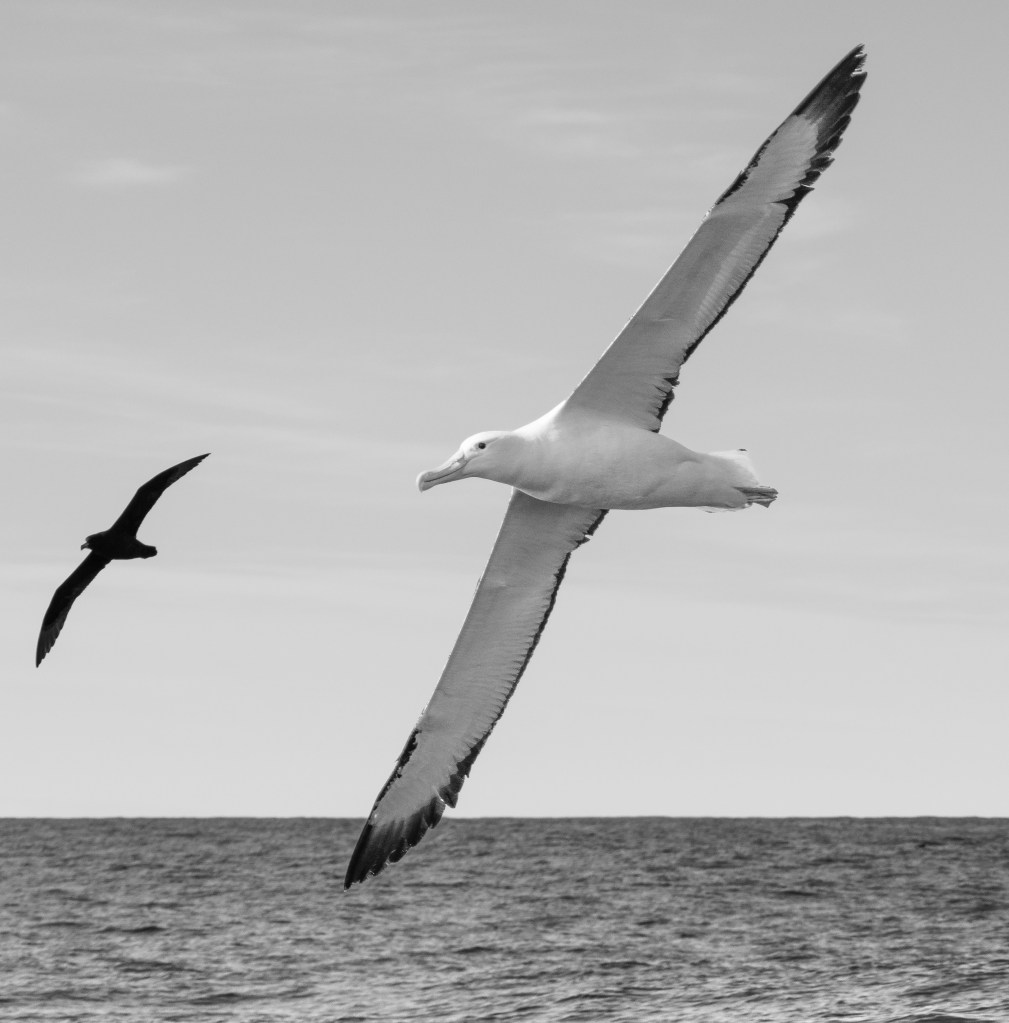
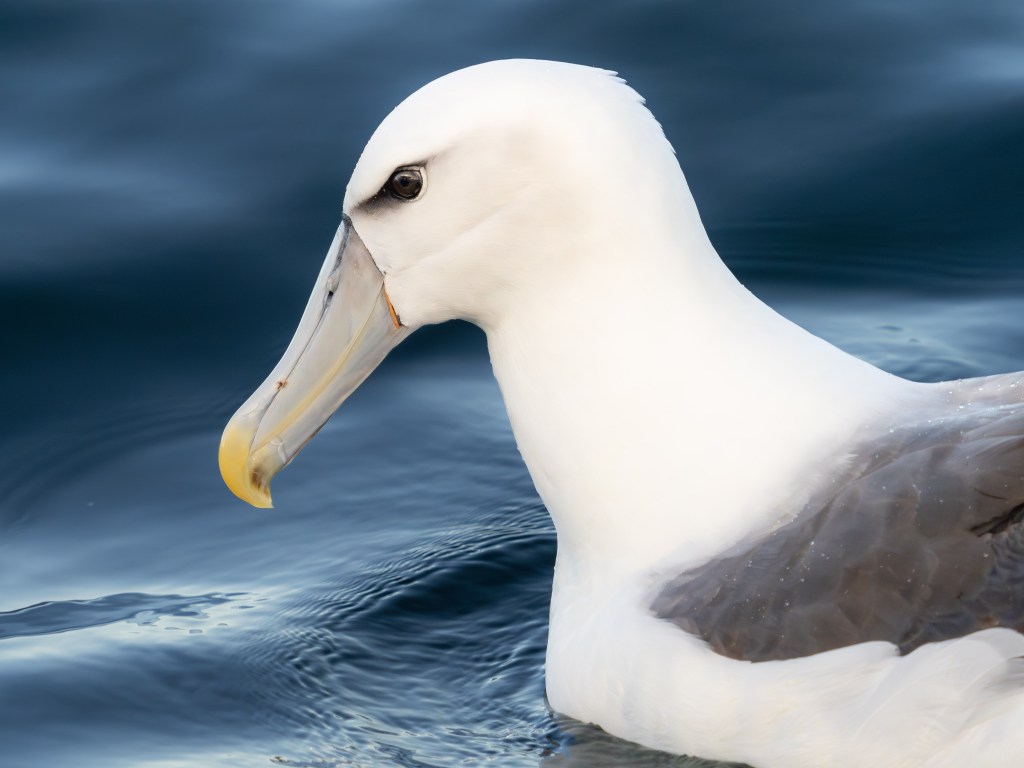
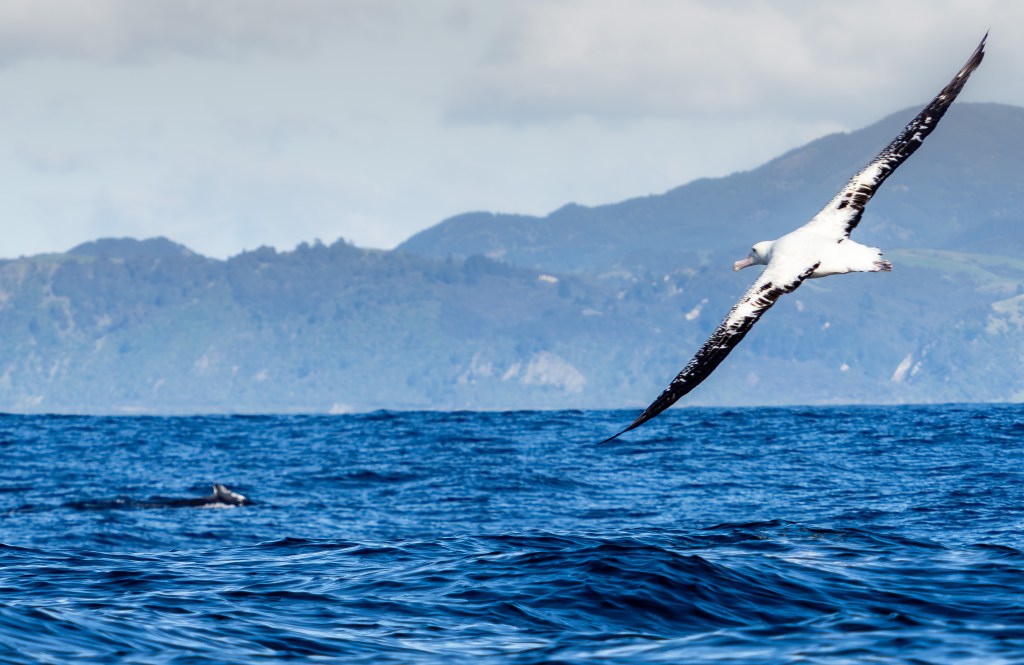
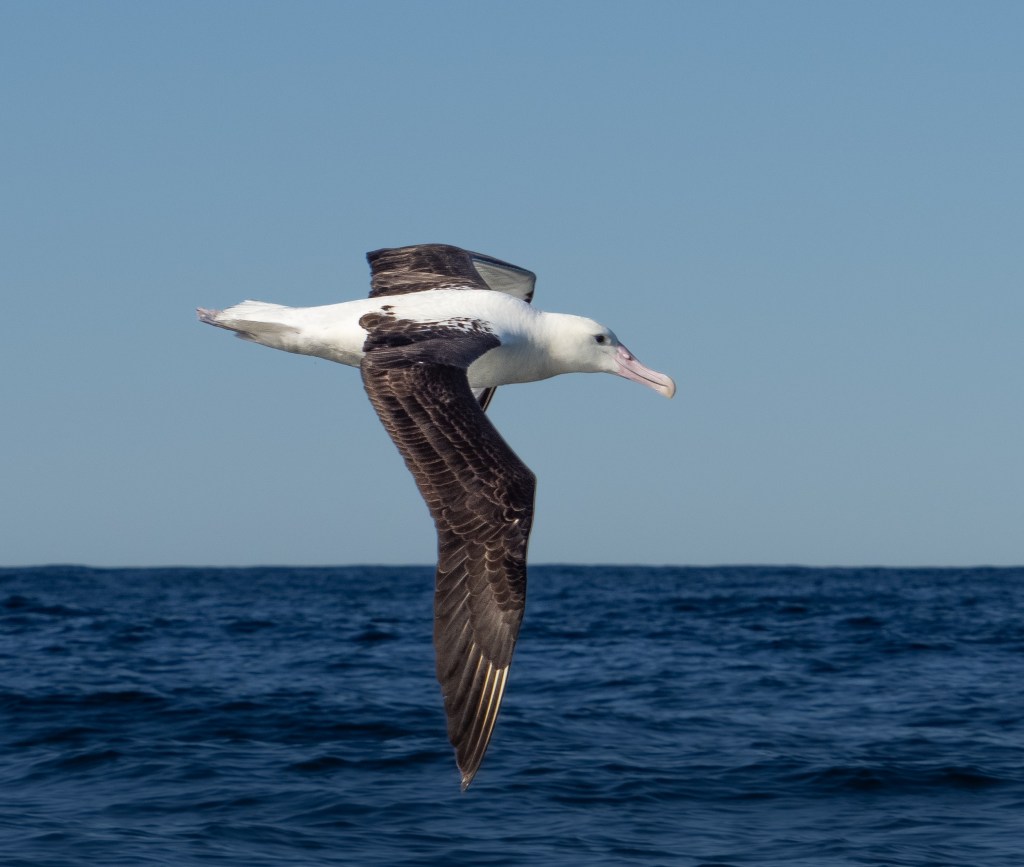
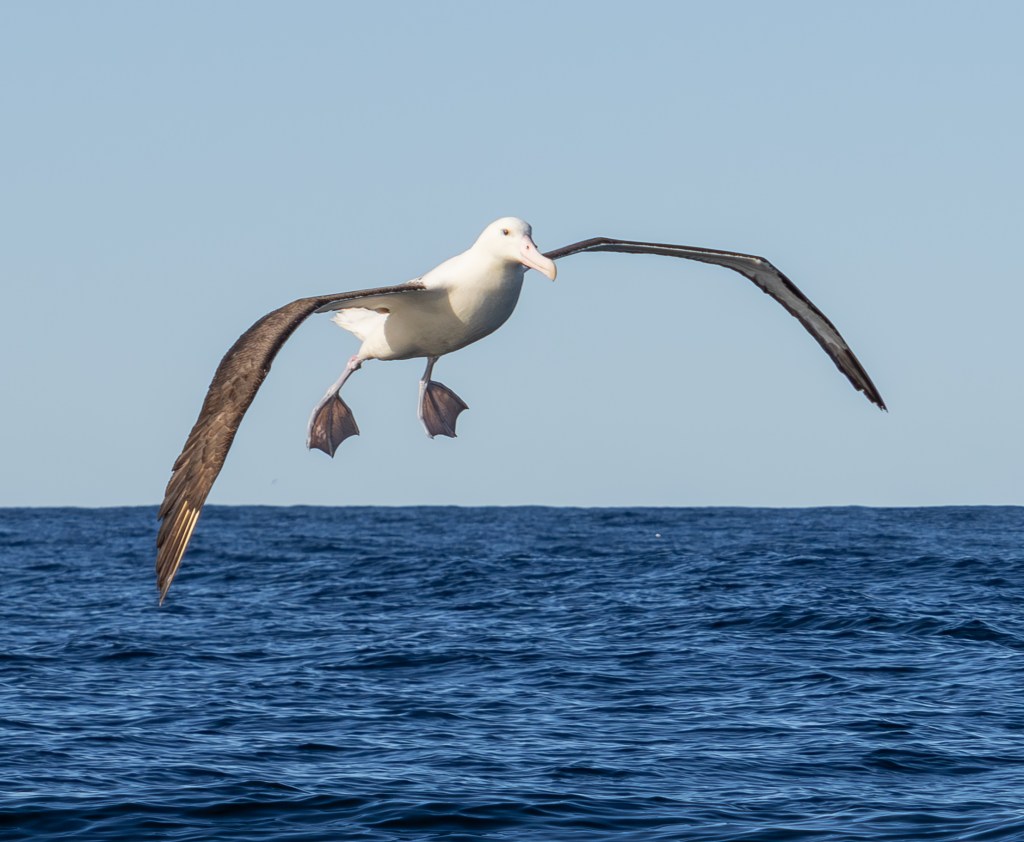
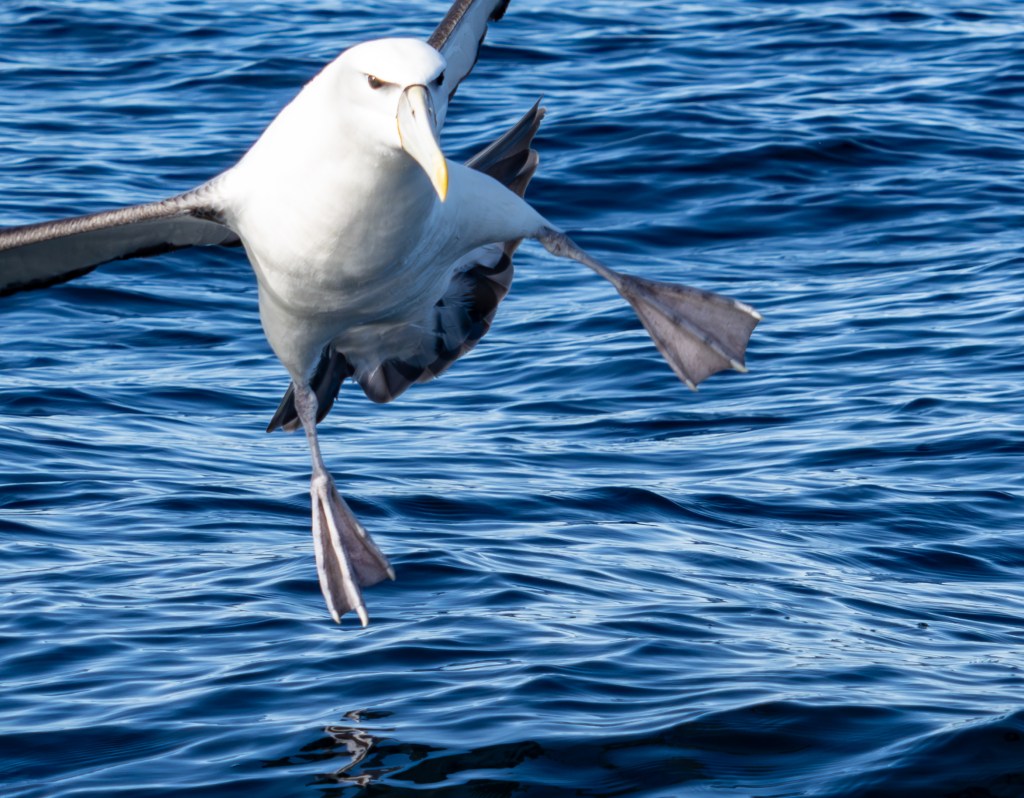
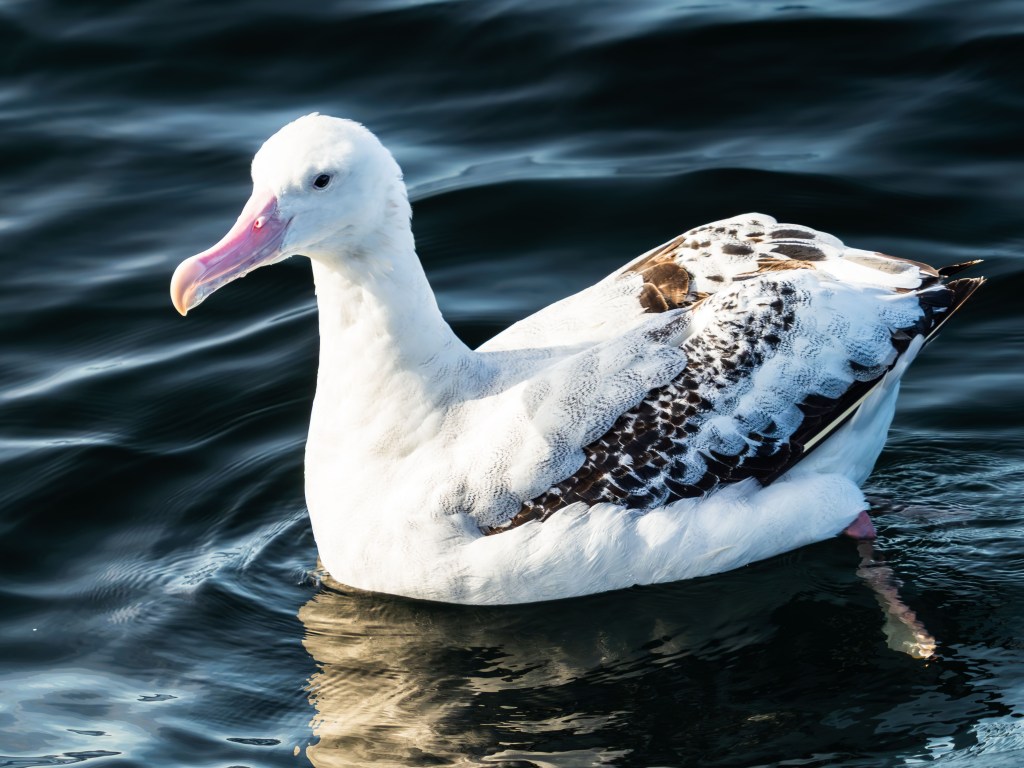
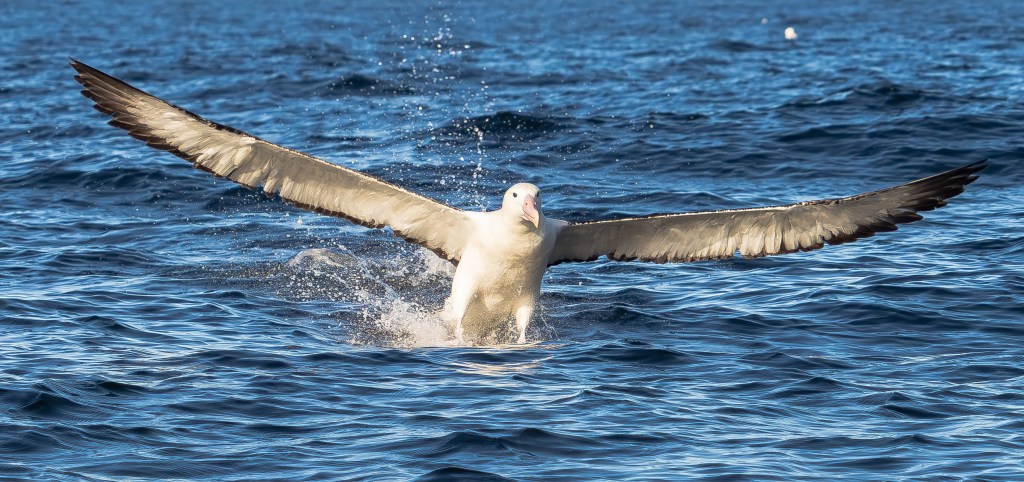
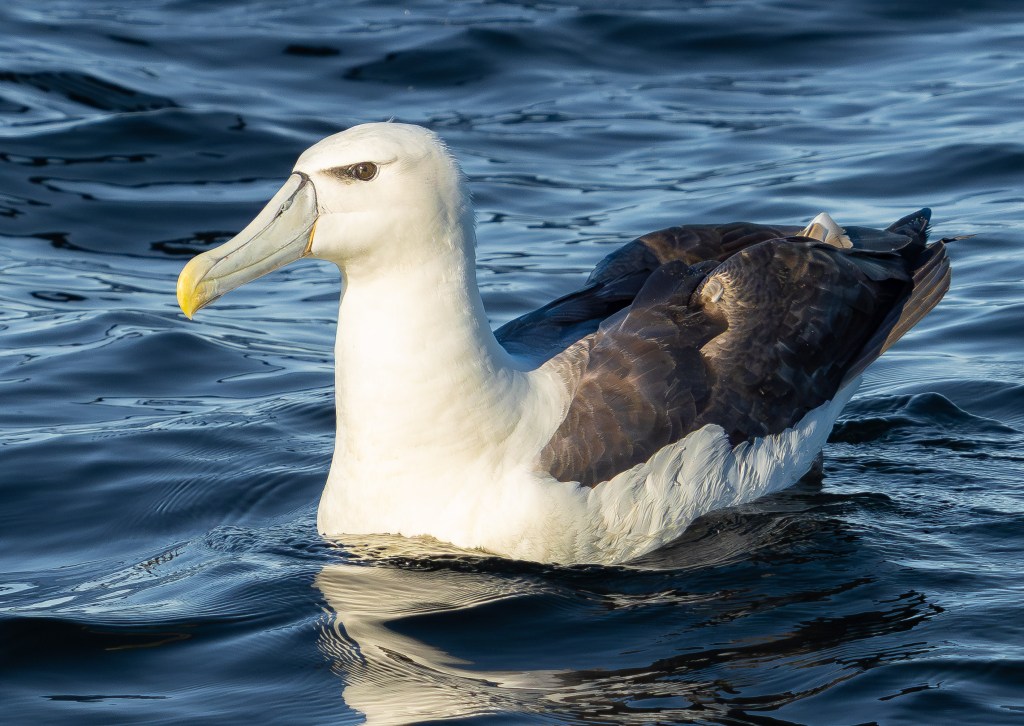
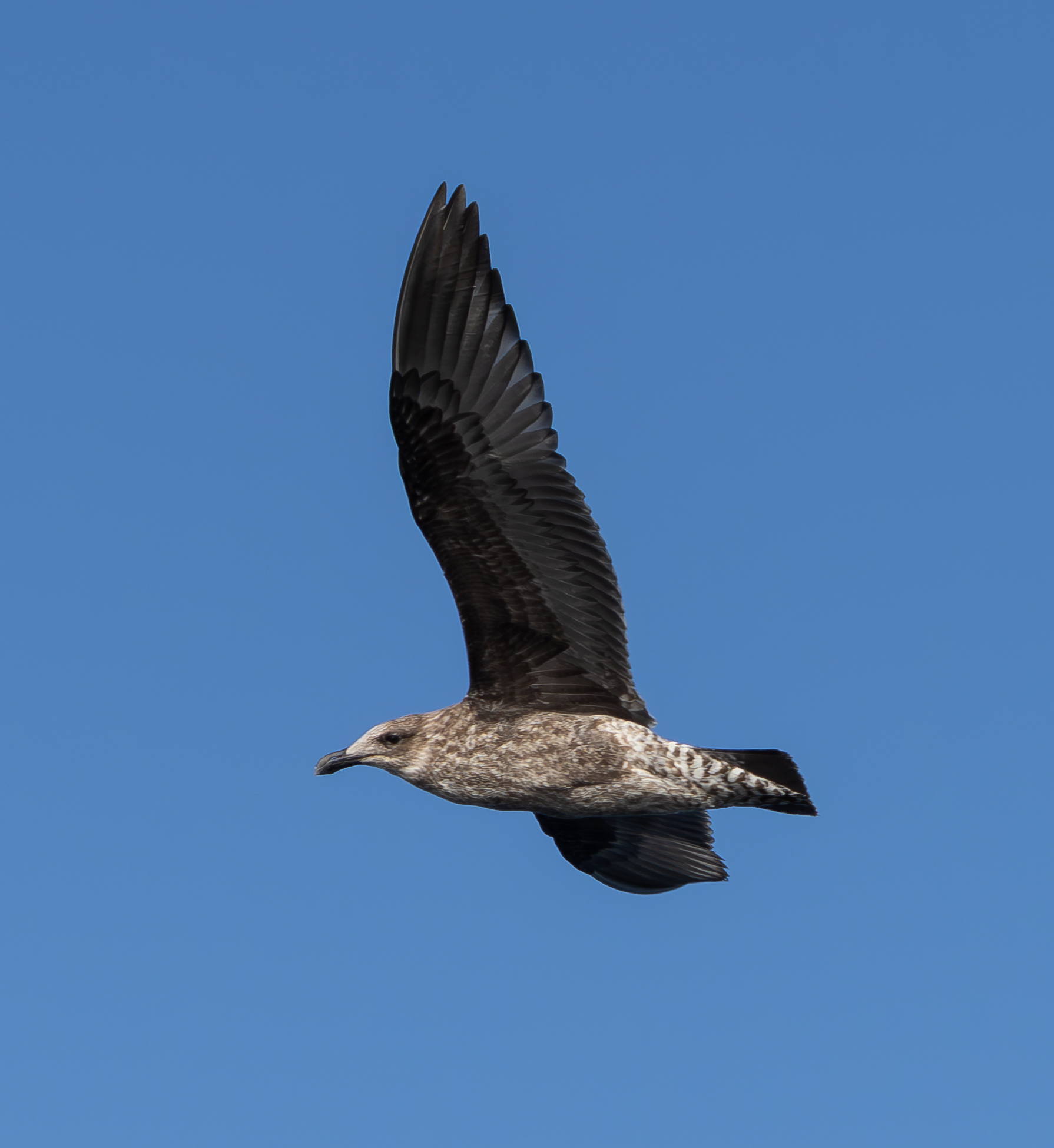
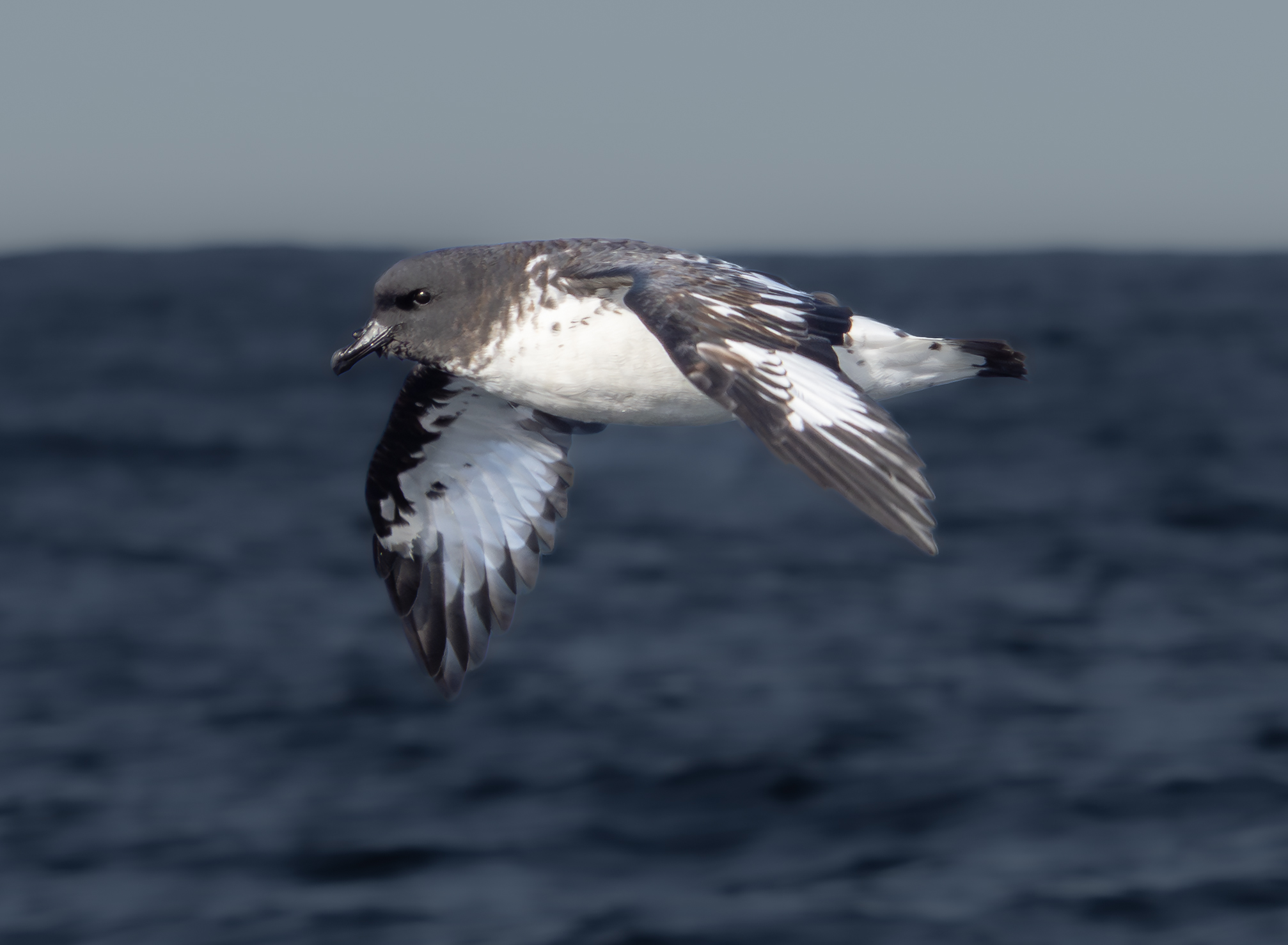
We saw three species of Giant Albatross and two species of Mollymawk—and if you’ve never seen an albatross up close, let me tell you, “huge” is a good descriptor. These are birds with wingspans that can exceed 4 metres. They glide past like they’re not even trying, which they aren’t, because they are the undisputed masters of the southern ocean. They have been observed flying at speeds of up to 127 km/hr and can stay aloft for days or even weeks at a time.
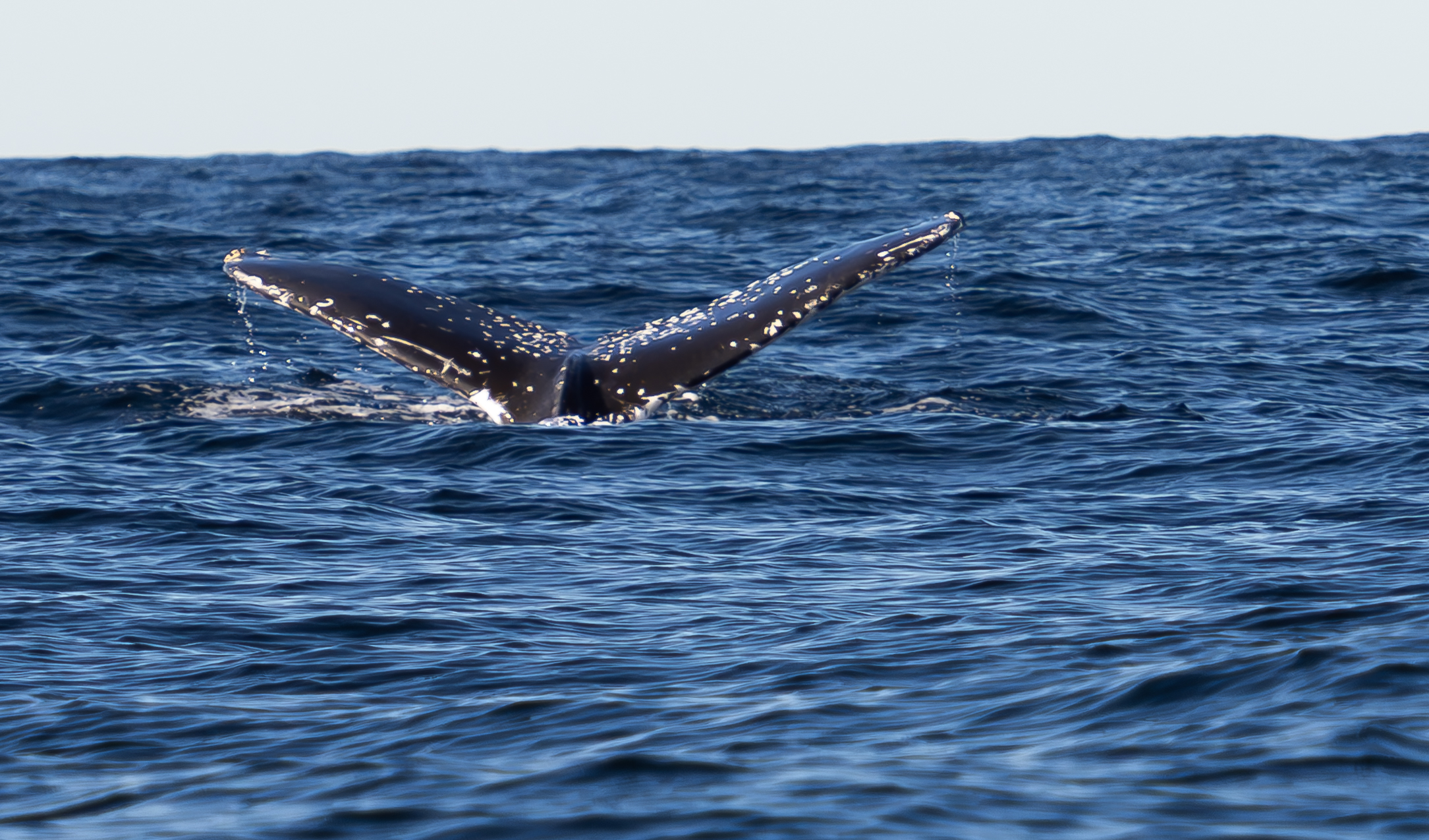
We also had five species of Petrel, two of Shearwater, two of types of Tern, various Shags, heaps of Gulls, and—as a bonus—a Humpback whale surfacing nearby.
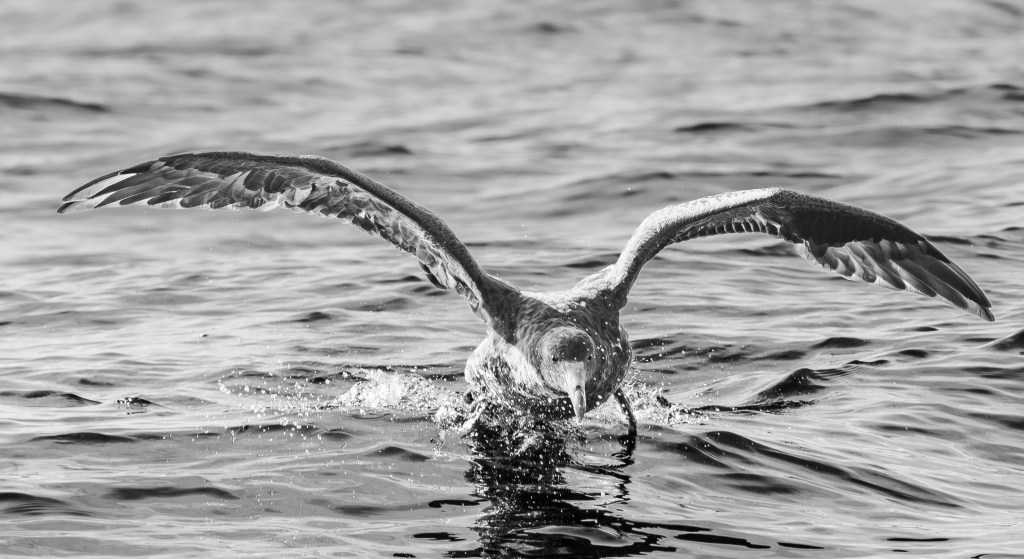
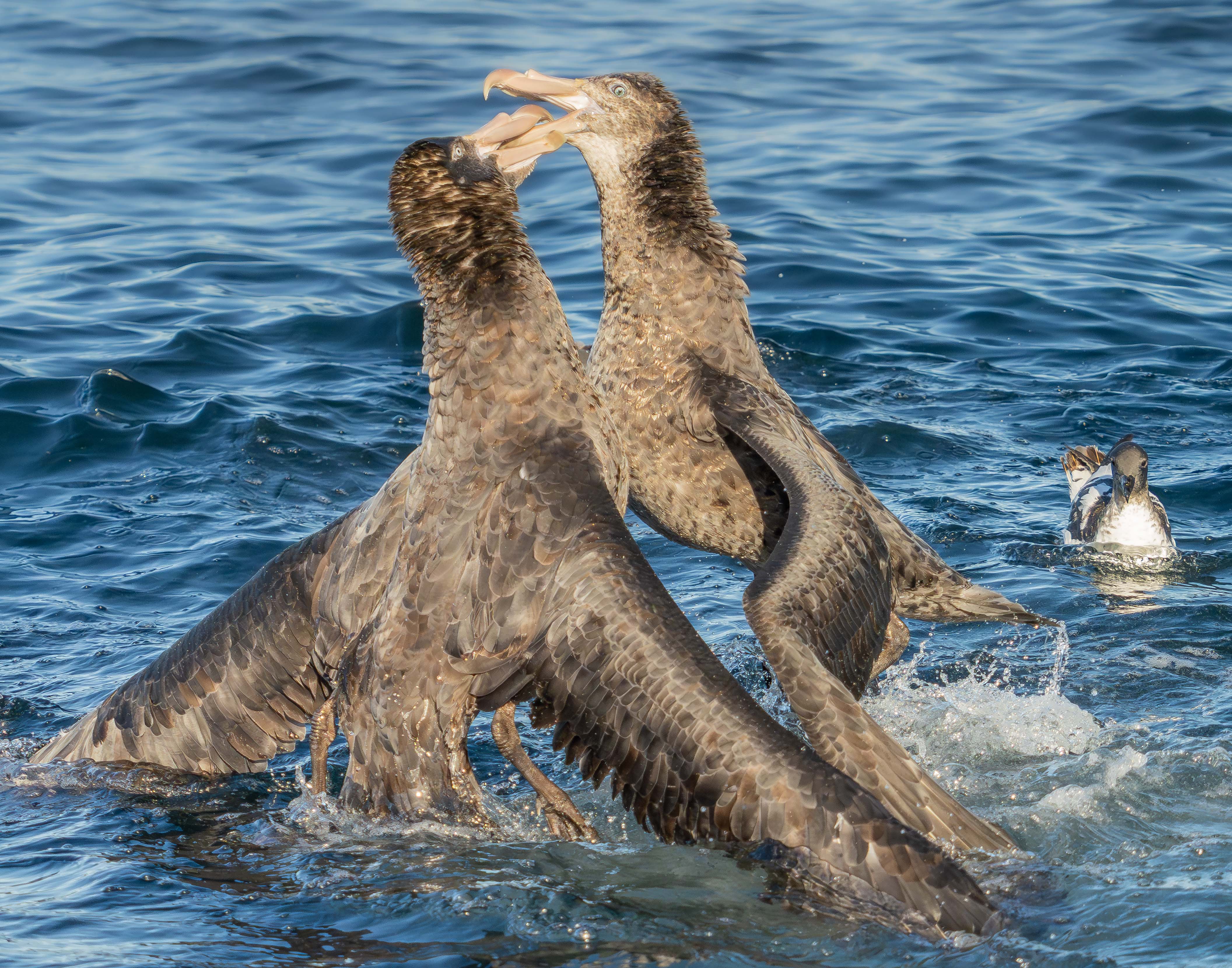
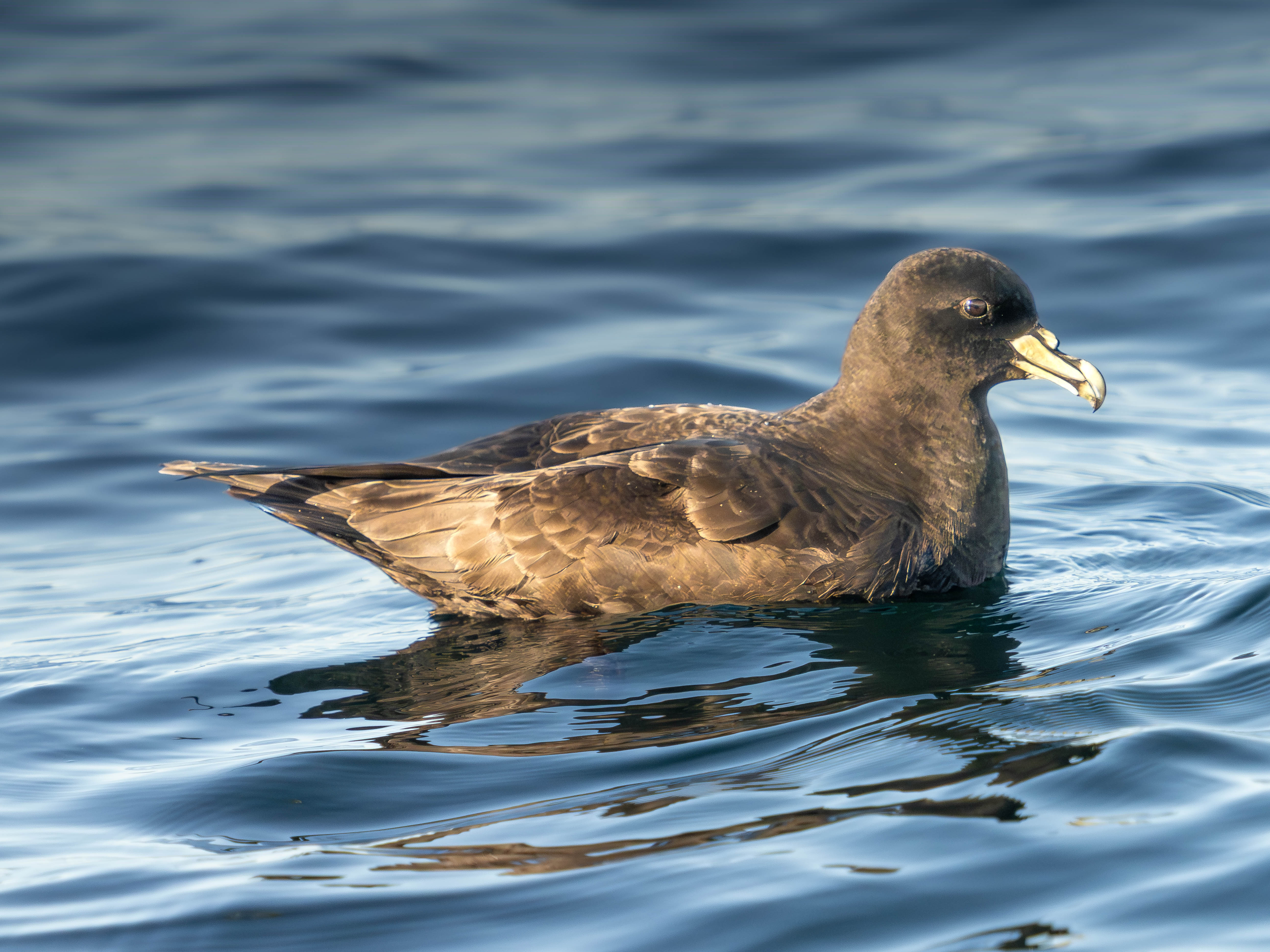
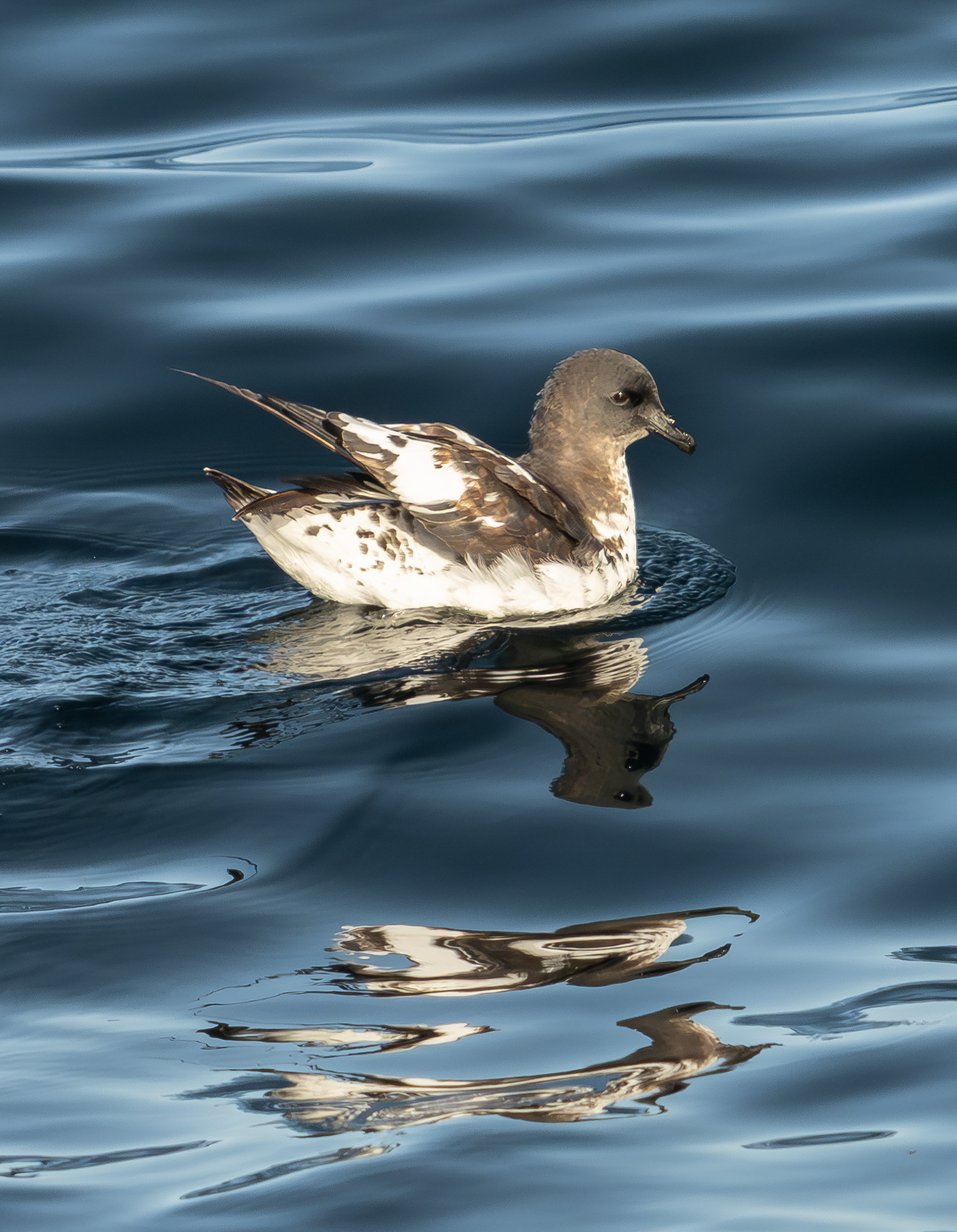
And then the OM-5 died.
Mid-shot. Bird in frame. Camera goes kaput. I tried new batteries. Nothing. I tried buttons and menus and mild threats. Still nothing. I was frustrated. Then my inner zen-self appeared again: “Dude. It’s dead. Put it down. Move on. Look at the birds. Enjoy the experience.“
So I did. And honestly? Watching a Giant Albatross glide three feet from your face without squinting through a viewfinder is pretty darn cool.
I must say, I should listen to my inner zen-self more often; he seems to offer some pretty sage advice now and again.
The tour was great. I’m not sure I’d do it again—there’s something about the chum bag and the staged abundance that makes it feel a little like a wildlife theme park—but the birds were extraordinary and the whale was a great bonus. I gave myself a solid A+ for not letting the equipment disasters ruin it. Good Antarctica prep.
It was a gorgeous day and still quite early, so I got on the bike and rode the 46 km loop on the Kaikōura Trail. It was nice. My ankle was pretty sore, but the trail wasn’t overly hard so it felt good to get out and enjoy the views.
I got back to place, made some dinner and poured myself a nice glass of wine. My inner zen-self definitely deserved that.
Day 3: Seals, Maps, and Misplaced Confidence
KaiKŌura Peninsula walk
The Kaikōura peninsula ends in a dramatic set of bluffs with tide pools, inlets, and a huge fur seal colony to wander through. I’d somehow convinced myself the walk was 12km one way—which at 24km return felt like too much on a dodgy ankle—so I decided to drive to one end, walk back to the house, then cycle back to retrieve the Ute.
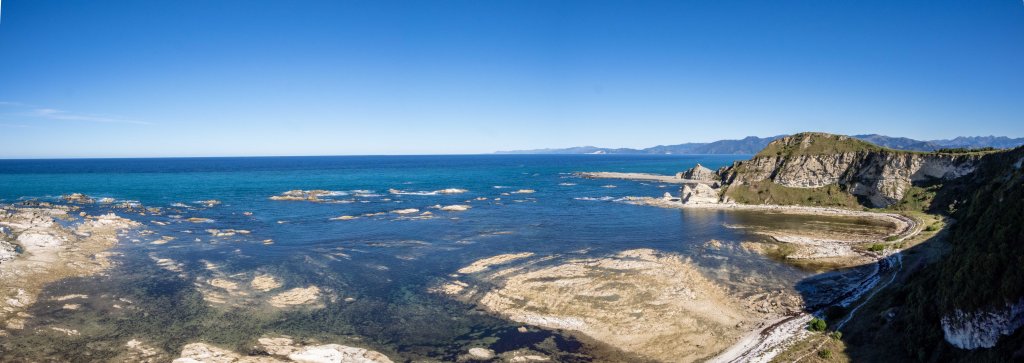
It was a perfect morning. It was still early, so the track was peacefully uncrowded. In high season, it is absolutely chocker-blocked as every tourist, campervan, and school holiday person on the planet stops in Kaikōura.
The OM5 was still dead, I was running solo on the OM-1—battery fully charged this time, lesson thoroughly learned. I ambled along taking pictures and trying not to trip over seals, which requires more attention than you’d think. They are everywhere—sprawled across rocks, piled on each other, hauled up on ledges, occasionally in the middle of the path looking deeply unbothered. Getting too close to a mother and pup is a good way to ruin everyone’s morning, so I gave the families a wide berth.
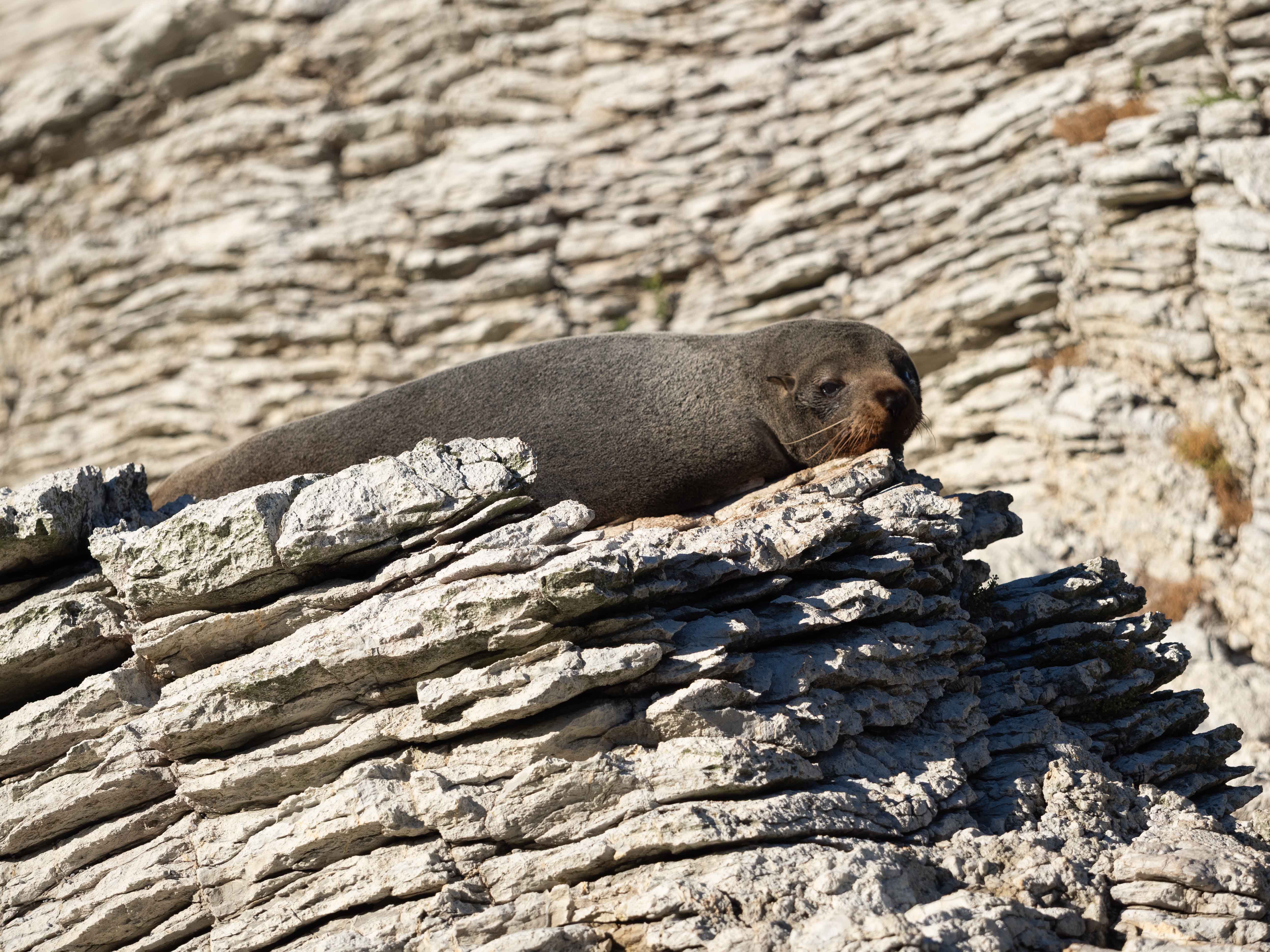
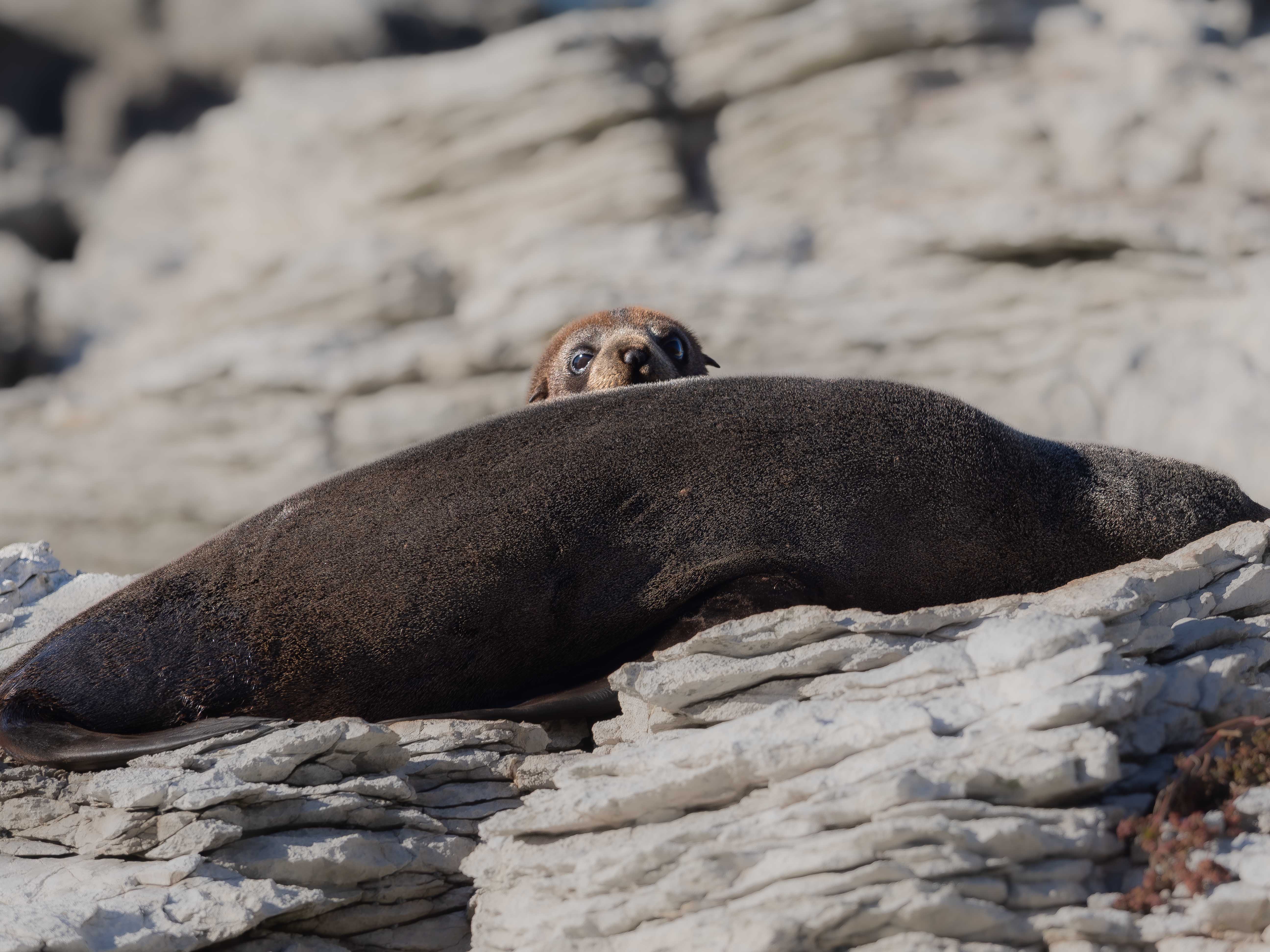
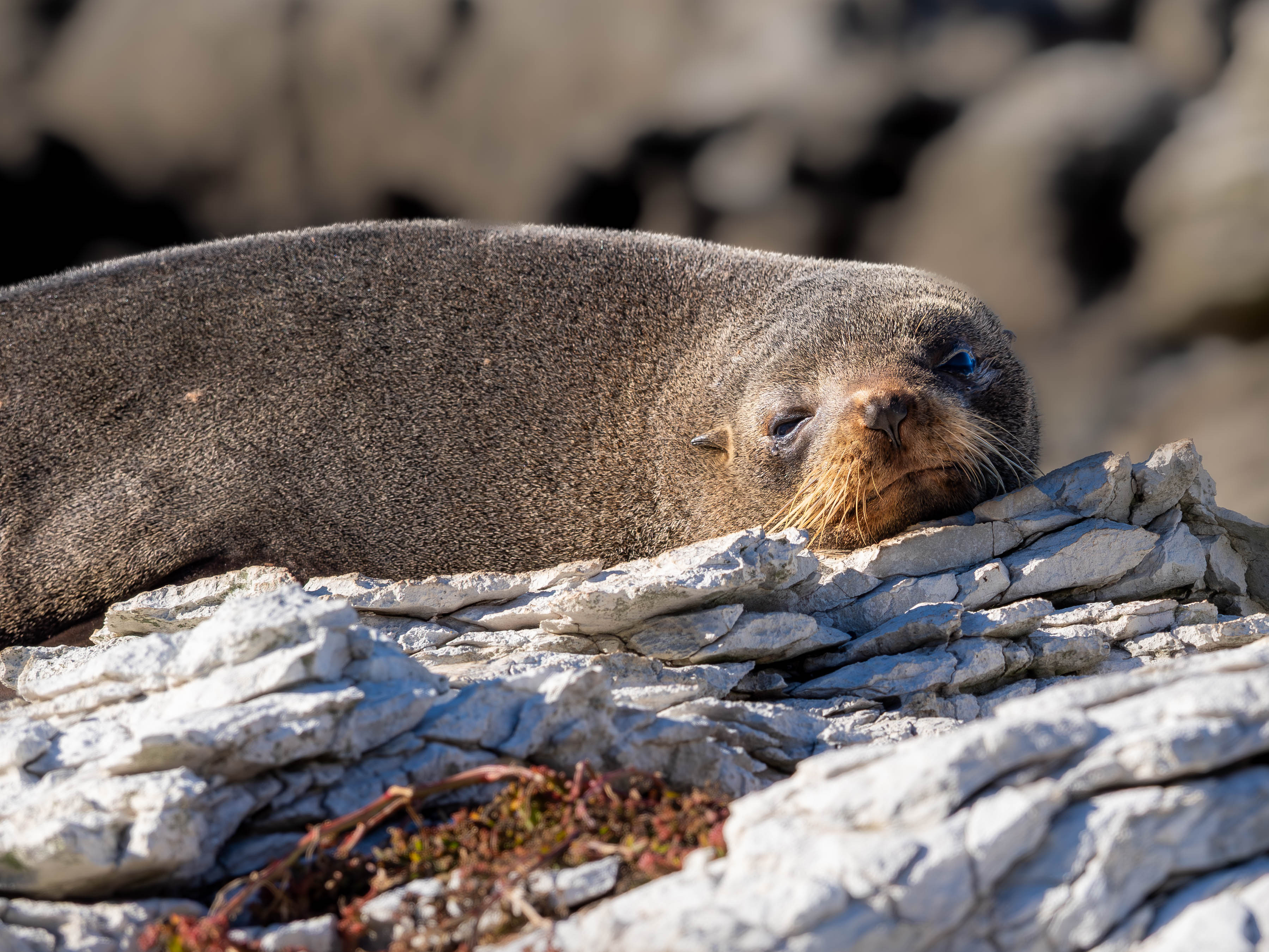
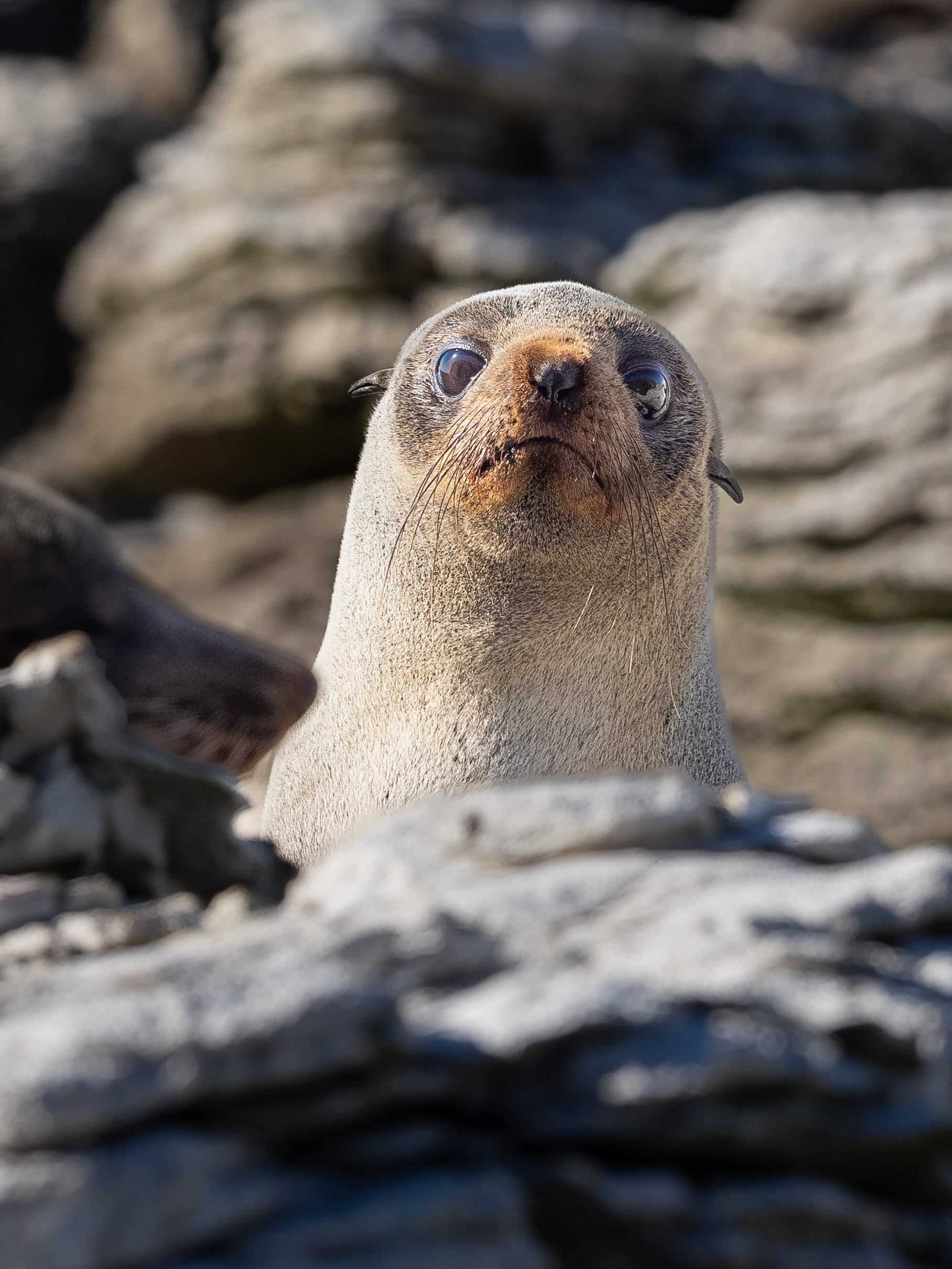
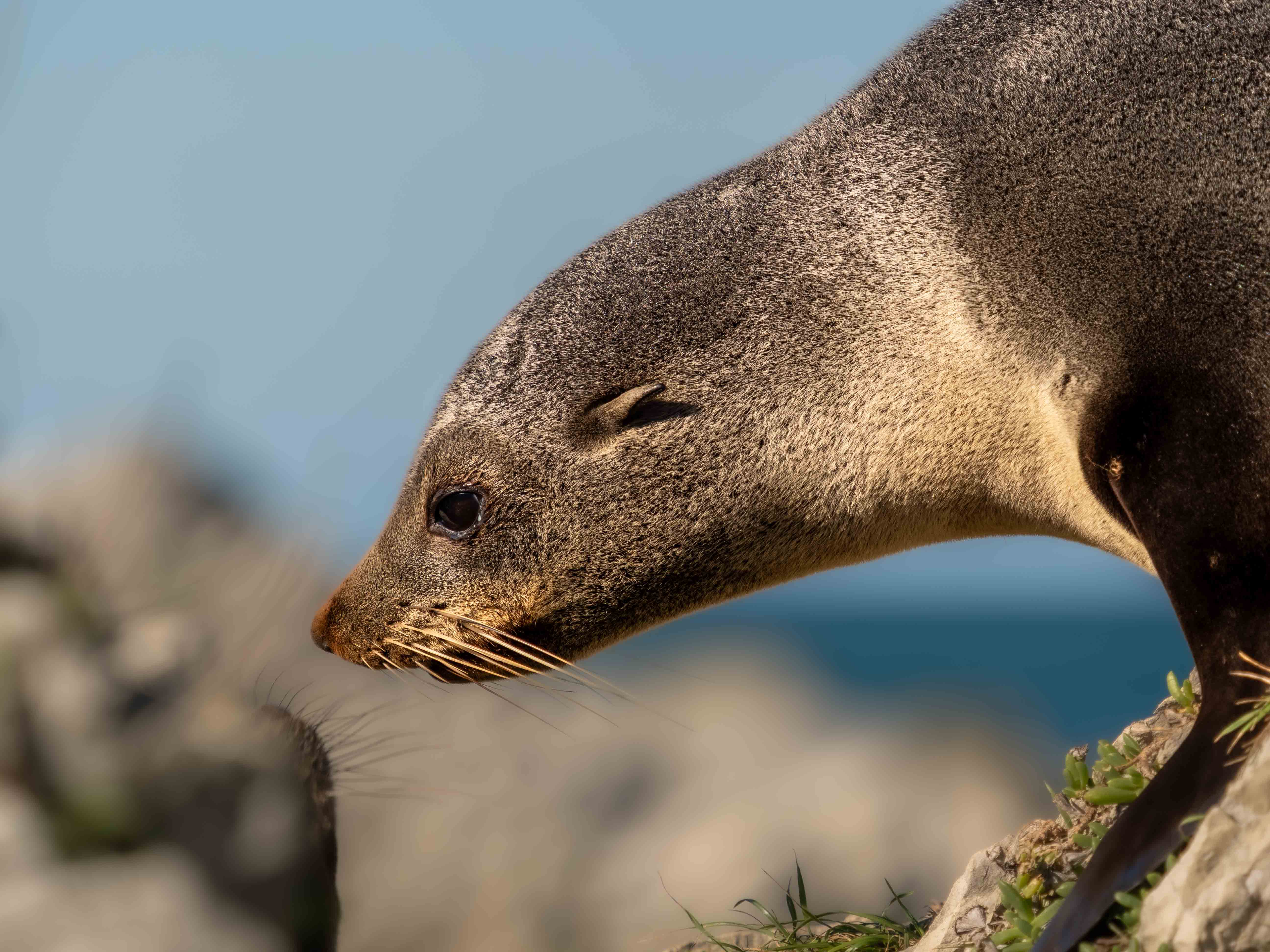
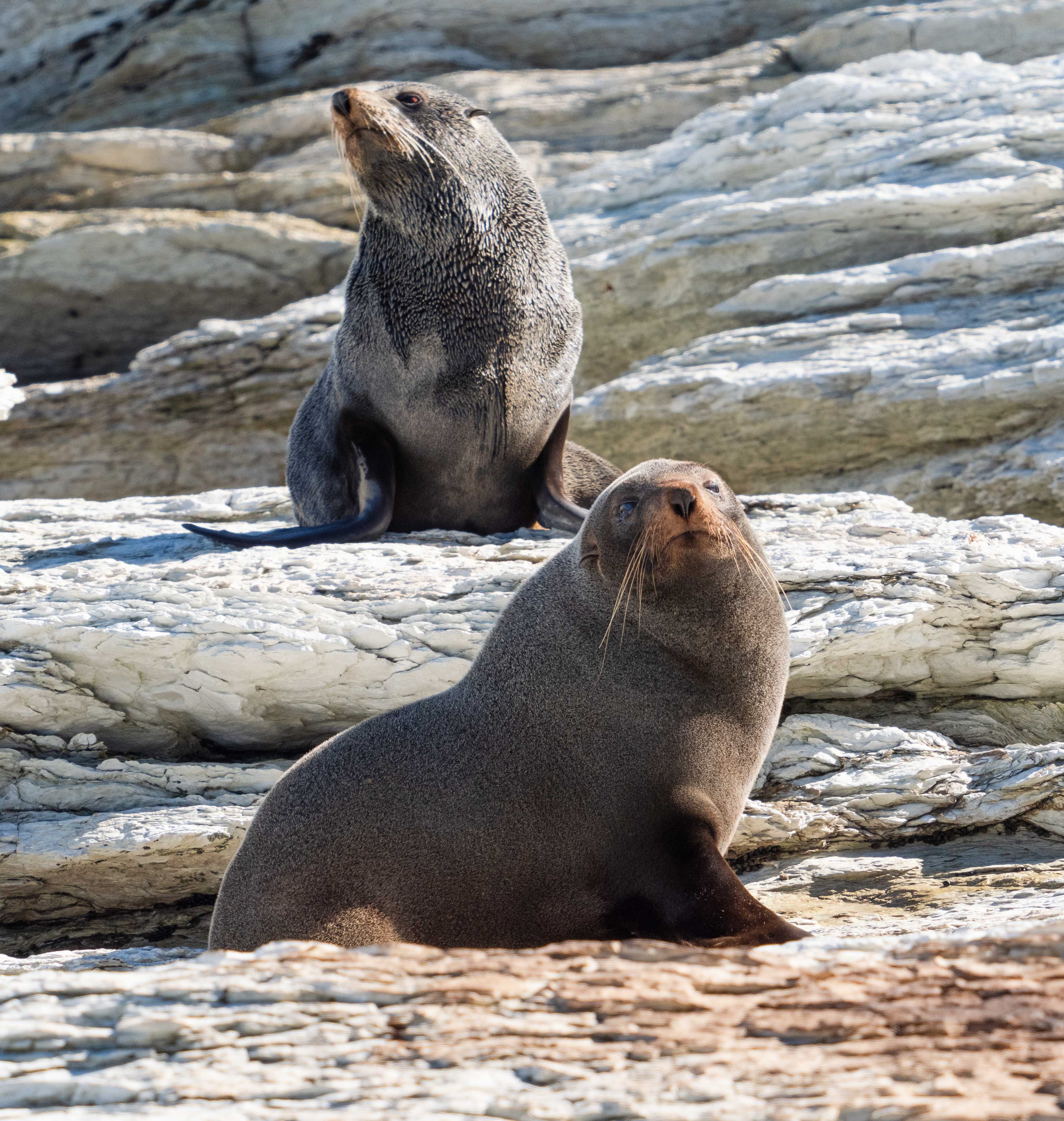
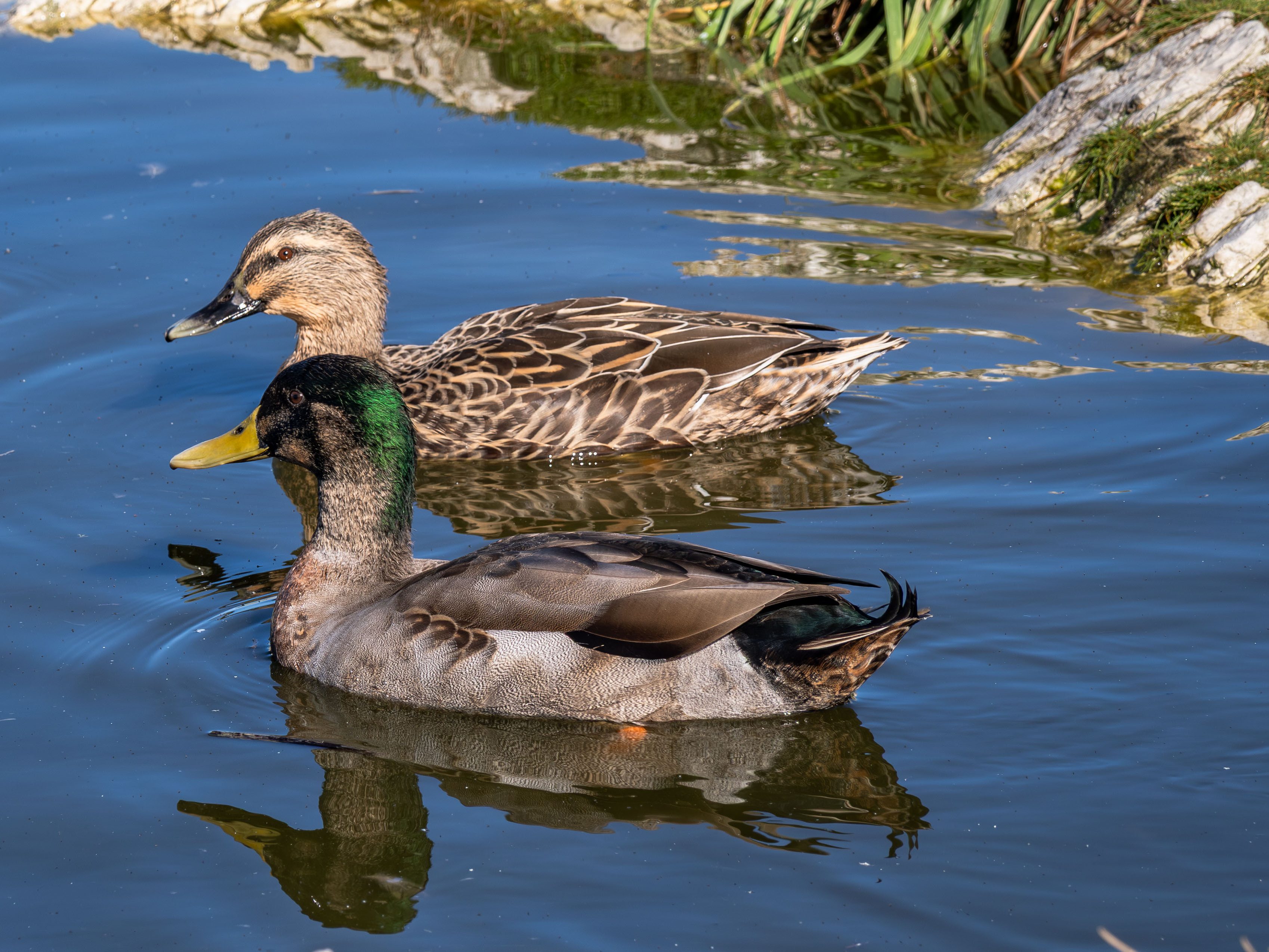
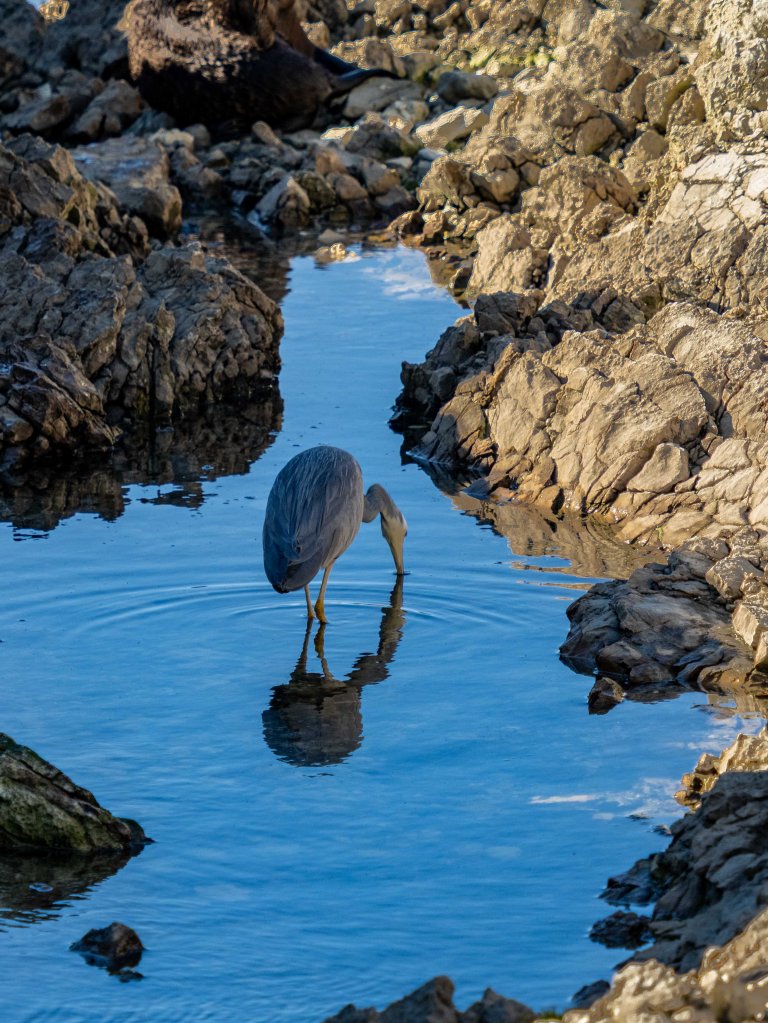
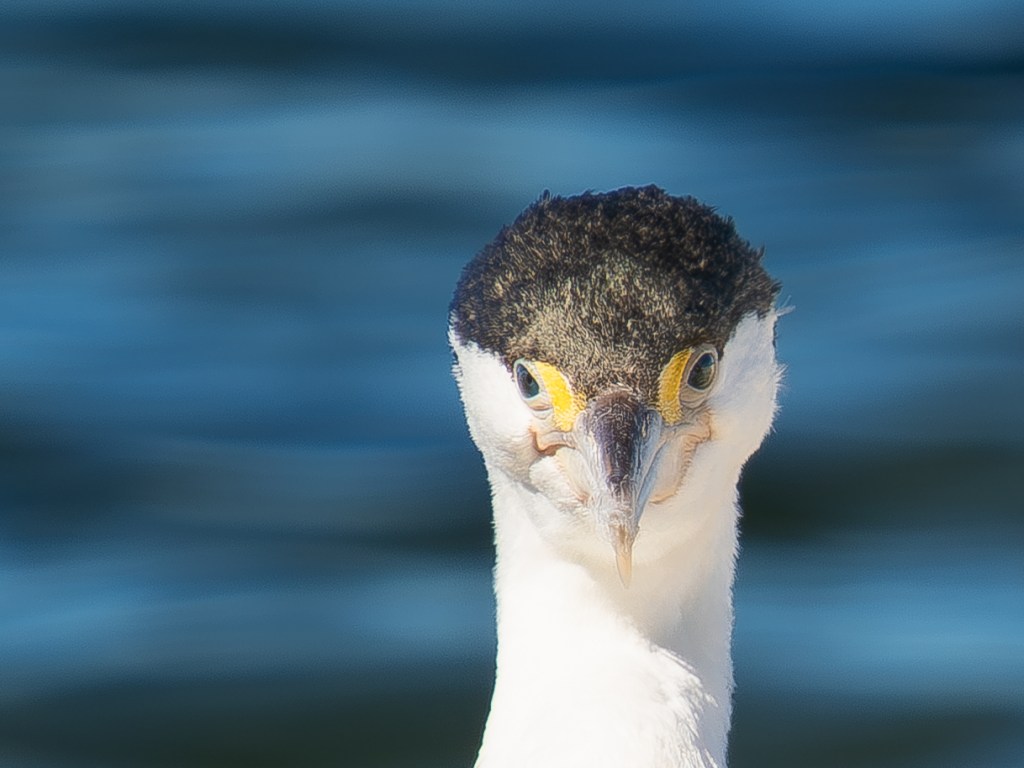
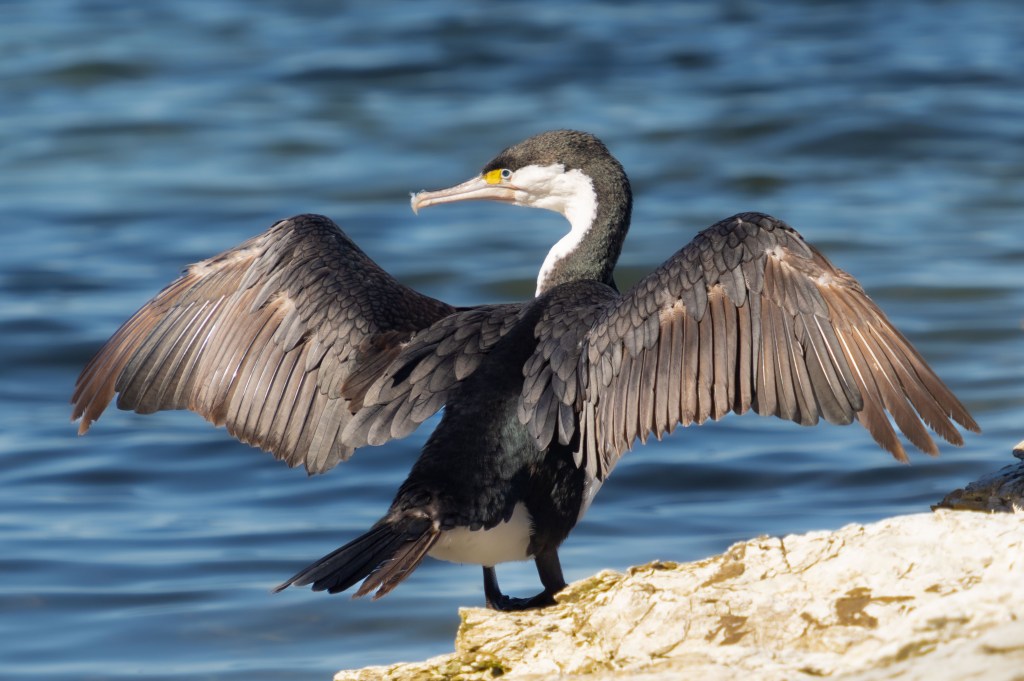
There were a lot birds as well. White–faced herons, shags, oystercatchers, ducks … the usual crowd. I was really enjoying practicing my wildlife photography.
As I ambled along and tracked my position using NZTopo50, it became clear I had misunderstood the trail. It was a 12 km loop, not one way. It only took about 3 km to get to the end the ocean front part; the rest was a loop down and around the peninsula. I could have just walked from the Airbnb and foregone the complicated logistics. So I decided to climb up to the top of the bluff and just walk back to the Ute. It all worked out in the end, but I should read the map more carefully next time.
Day 4: Wind, Wine, and Star Trails
Marfells Beach/Cape Campbell
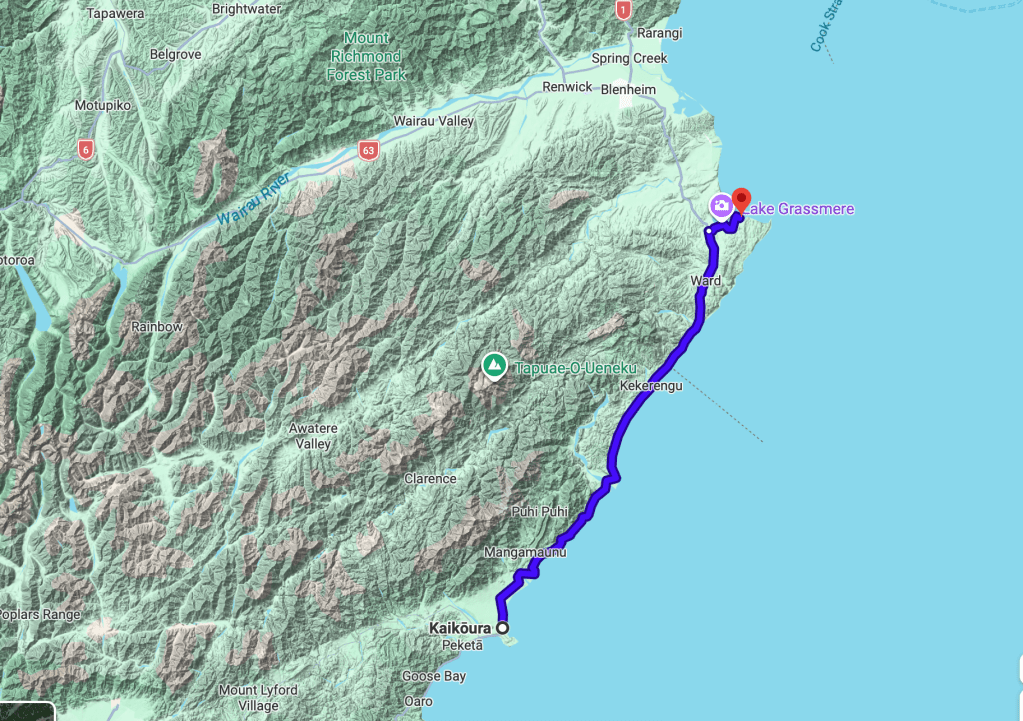
The wind was howling all night. By morning, it was still going strong, which gave me pause about my plan to camp at Cape Campbell, since it sits at the end of the Cook Strait—a notorious wind tunnel.
I had coffee, checked out the Windy app for weather and decided that it probably wasn’t going to be terrible, so why not? I wanted to have at least 1 night of camping.
I packed up and headed out. As I moved northward, the wind abated a bit and it was starting to look much more favorable for a night on the beach. I turned off the highway and headed out toward the camp area. It passed alongside Grassmere lake which is supposed be a pretty famous birding spot, so I was hopeful I might get some more “bird in flight” practice. As a side note, I finally figured out how to get the text to wrap properly around the images. Doh! Not fixing all the old posts though!
When I got to the camp area, it was early and mostly empty. It was a great location, right on a beautiful beach. Plus, the camp sites were pretty spacious and nice. I picked the best site, one with no neighbours and an ocean view. I set up the tent, feeling happy that I had decided to stay. I had brought the Mountain Hardware 3-man tent, and it felt like a McMansion compared to my dinky 1-man tent.
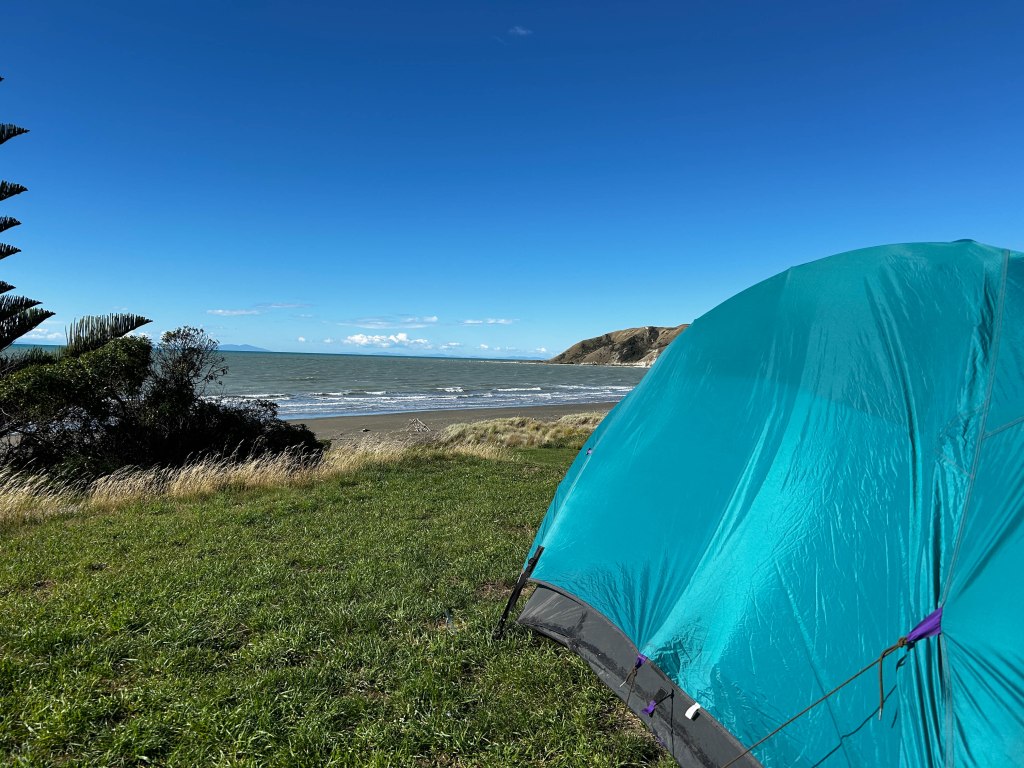
It was about 11 am, so I got the bike out and decided to go for a ride around Lake Grassmere and see what I could see. the wind was blowing pretty hard, so it was slow going on the way out. I connected with the “Whale Trail” and road that goes around the lake. There was a big salt mine on one end of the lake. It was quite an operation.

I rode for a bit longer, but my ankle was bothering me and I was getting tired of the raging headwind, so I turned around and headed back the way I came.
The nice thing was that I was hauling butt with the tail wind. At one point, I passed a bus load of Japanese birding tourists that were out looking at the birds on the lake.
At 3pm, I had a wine tasting booked at Spurlock Cellars, a tiny vineyard nearby started by a dude from Laguna Beach who’d packed up his life a decade ago and moved to New Zealand to make Pinot. I understand this impulse completely. Jeff, the owner, met me there. The place does not have an official cellar door, it is basically his house and barn. He opened up some wine to taste. I felt obligated to buy them as he runs such a small operation, but the good news is that they were lovely.
I had a nice dinner at my camp looking out at the developing sunset. There was a dude from England in the campground and we chatted about photography. “The golden hour is amazing” was his assessment. I agreed.
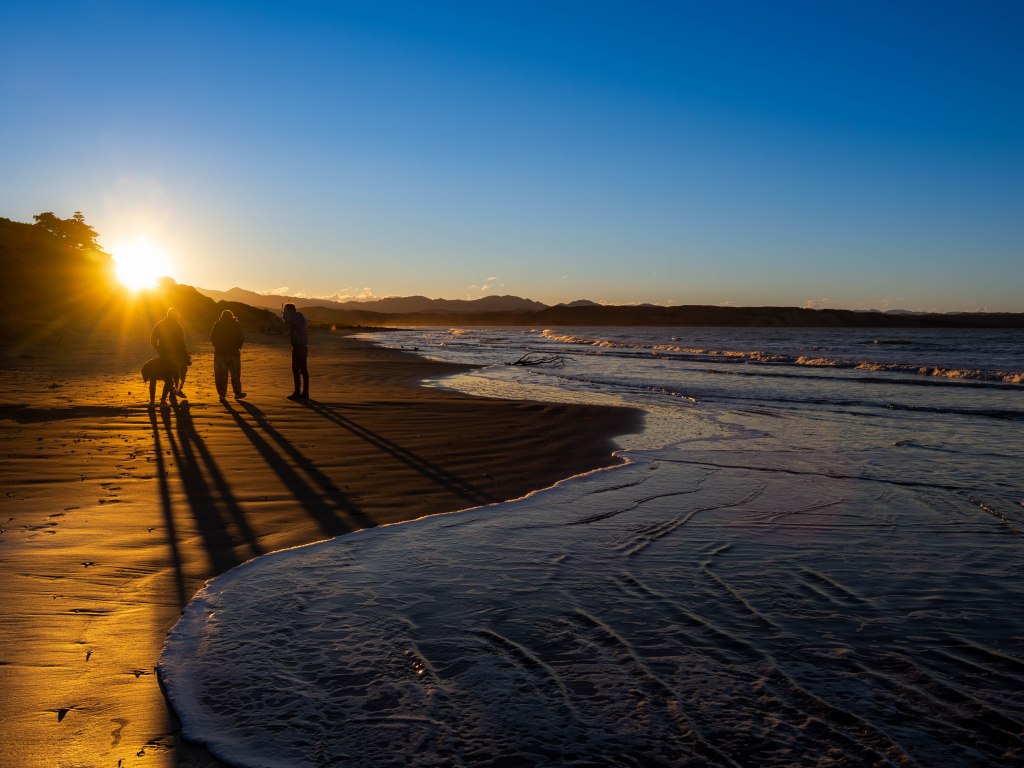
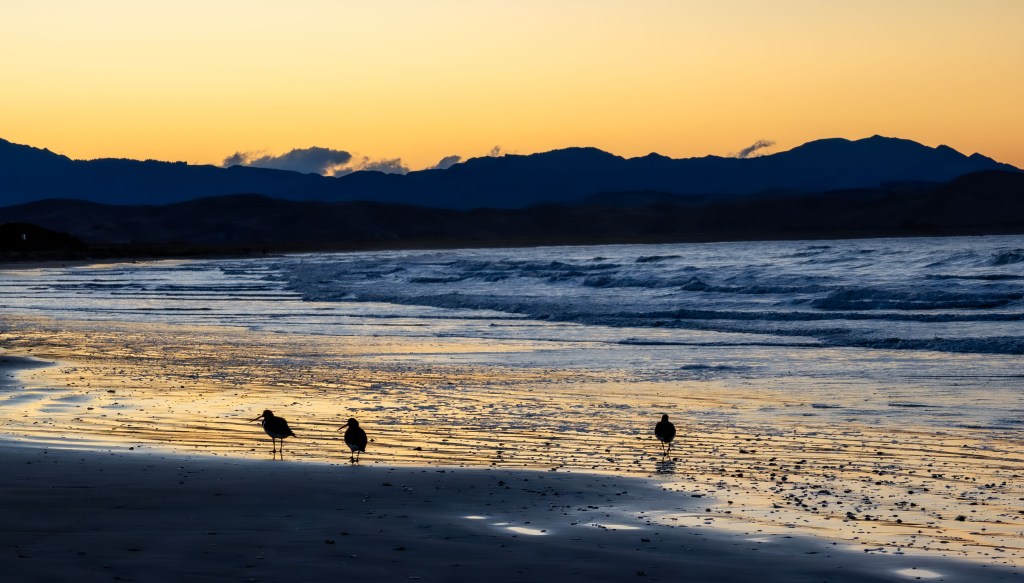
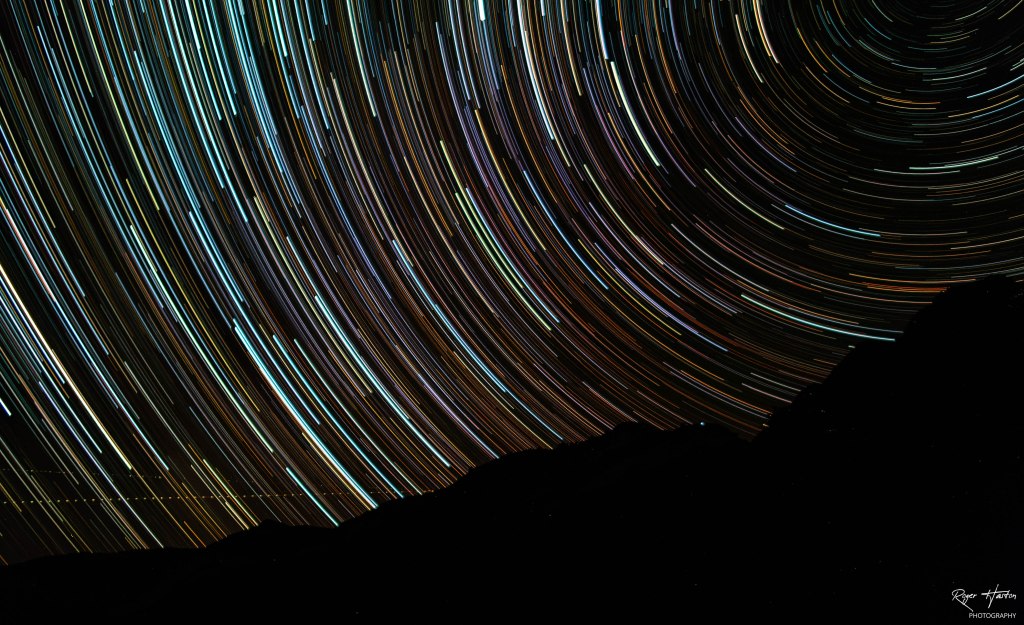
By 6:30 it was pitch dark. The end of the day in the New Zealand autumn has a certain abruptness to it. I set up for astrophotography. After failing to figure out the OM-1’s settings (note to self: practice before the night you need it), I switched to the TG-7 (yes, I brought 3 cameras) and its “Live Composite” mode—a feature that takes a sequence of exposures and layers only the changes in light. Perfect for star trails. I crawled into the tent, read for a couple of hours, then went back out to check.
Wowzaa! It worked!
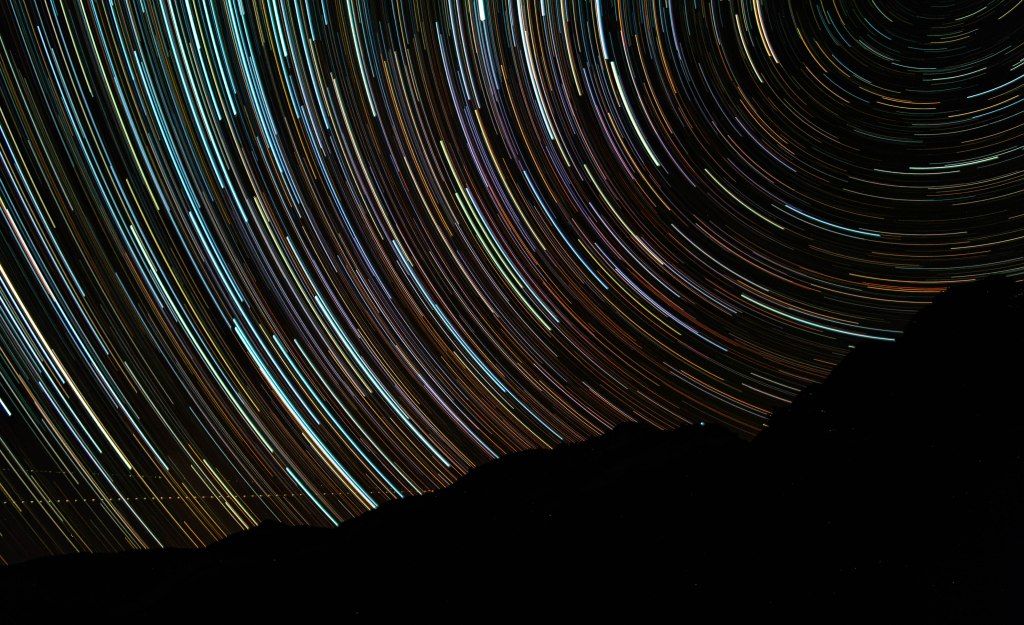
The results were extraordinary. Arcing star trails in colors the naked eye can barely perceive—the camera had captured this whole chromatic range of color streaking across the sky above Cape Campbell. Antarctica, I thought, is going to be incredible for this. As another WordPress side note, I have just realized that if you get an email, you never see the cover photo. Doh. Now I will include it in the post … in this case it is the star trails.
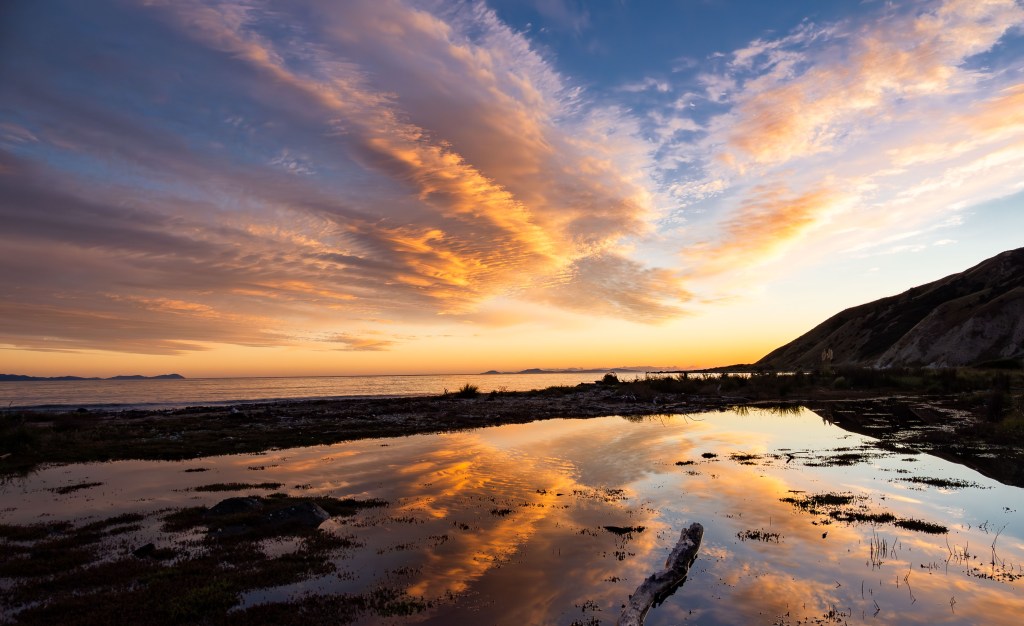
I woke to an amazing sunrise. I had some coffee and headed out with my camera along the beach toward Cape Campbell. I didn’t think I would make it to the lighthouse because the tide needs to be just right to avoid getting trapped. No worries. I would have a lovely walk for as far as I could risk going.
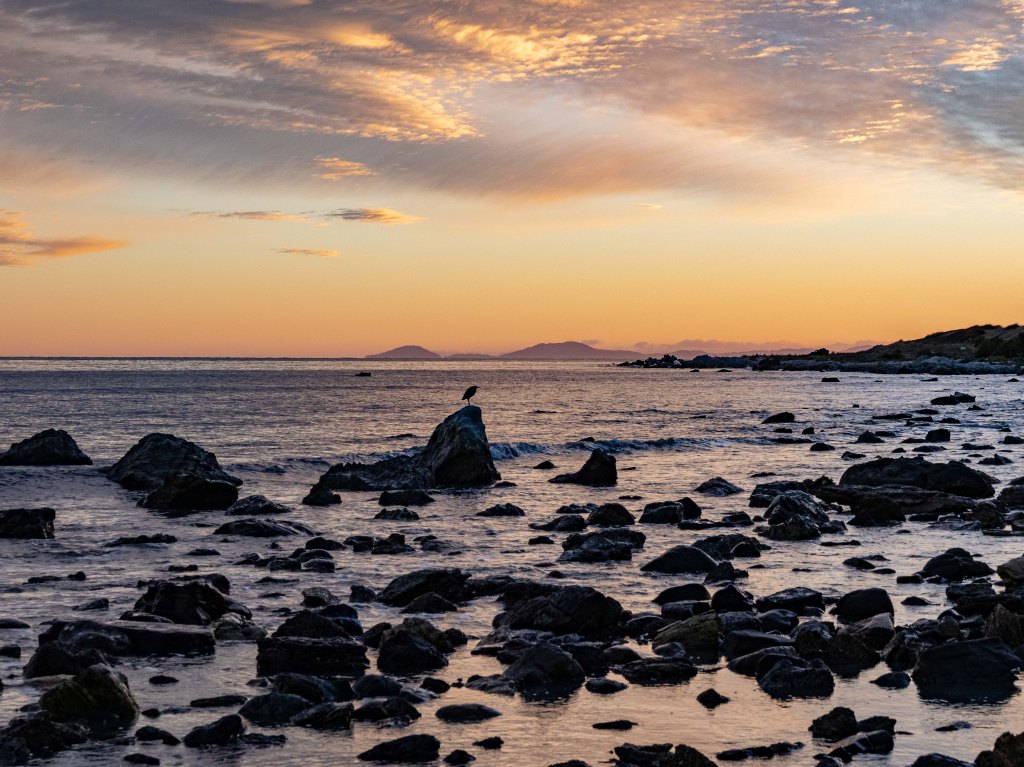
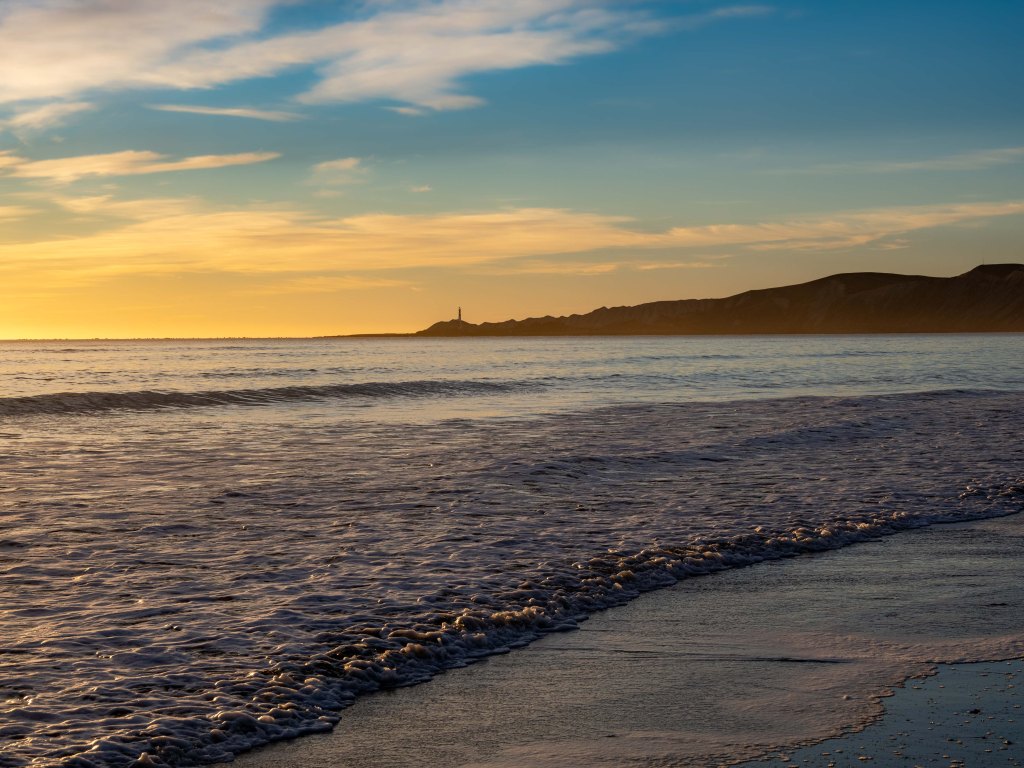
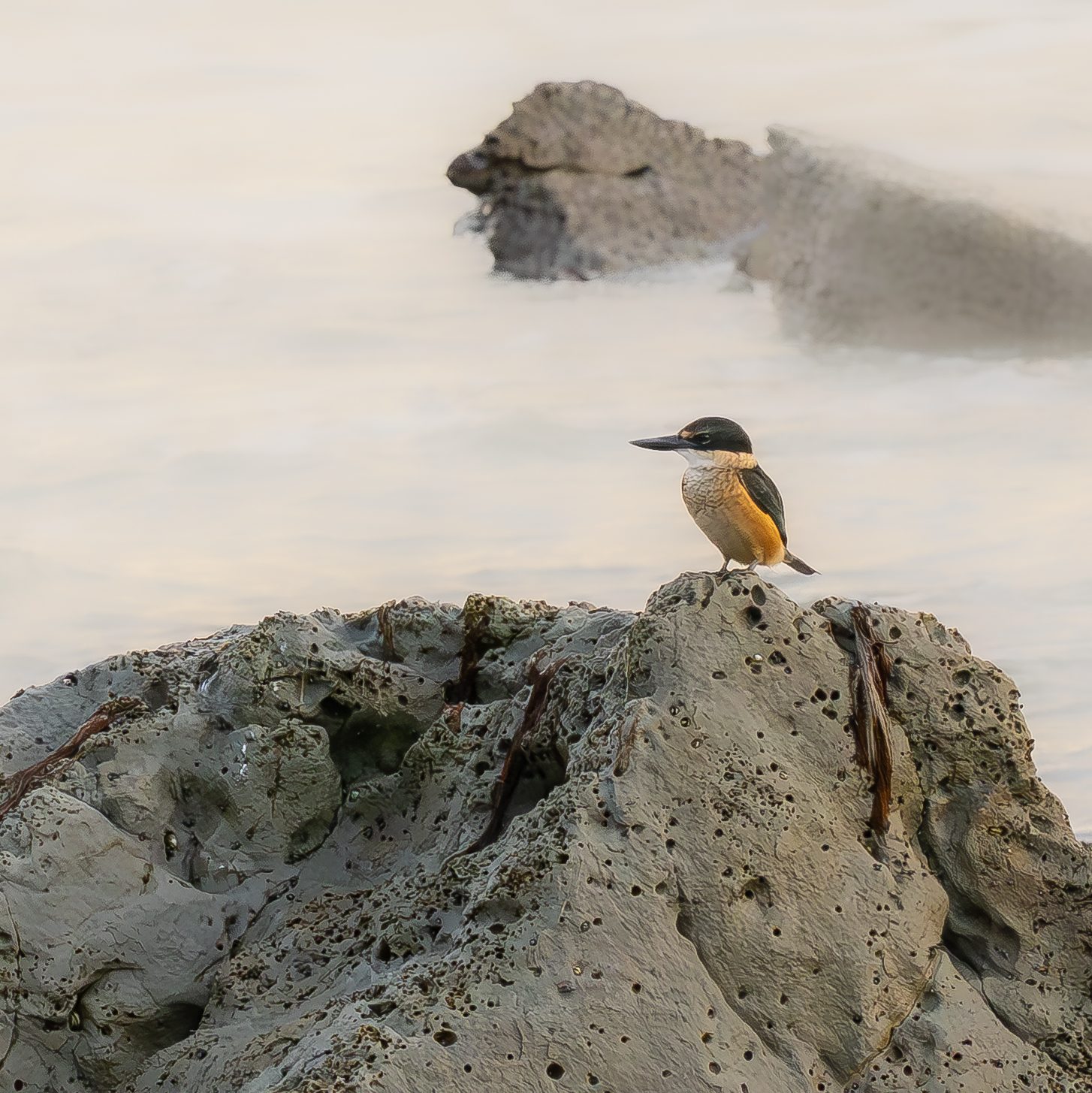
I didn’t make it all the way out to the lighthouse, but no biggie. Sometimes the destination isn’t the point. The walk was a great ending to my little photo trip.
By the time I got home the following day, the weather had turned decisively horrible—grey, wet, and cold. My timing had been perfect.
The trip was a genuine reminder of how much I need to sort my gear before Antarctica, not during. Test batteries in cameras before you travel. Get the right clothing for photography. Practice all the settings before you need them. And when things go sideways—cameras die, weather is crap, fur seals are uncooperative—let the inner zen-self have the microphone.
I can absolutely see why everyone says to bring multiple camera bodies. Hopefully the OM-5 can be repaired.
Post-trip update:
Evidently the camera got water in it and killed the circuit board which meant it would not be covered by warranty. I was bummed. I don’t know how it happened. The guy was amazed at how nice I was about the whole thing. He told me that “everyone always yells at me.” I said “you’re just the messenger.” Anyway, he had the OM rep stopping by soon and said he would talk to him about it. Later that day I got a note from him telling me they were sending me a brand new camera. Wow. That was nice.
They say honey attracts more bees than vinegar. In this case, it attracted a free replacement camera. Inner zen-self, take another bow.
 wannabekiwi.com
Let me know what you think!